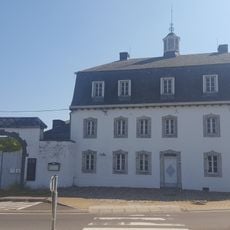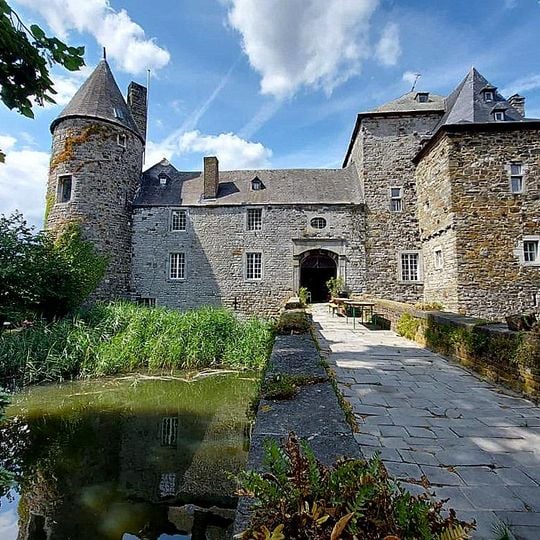
Château de Graaf, castle in Plombières, Belgium
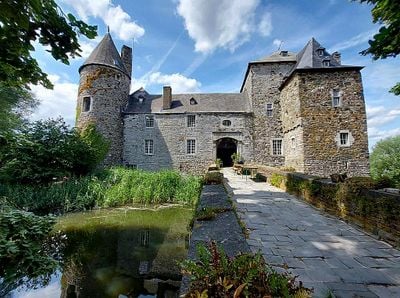
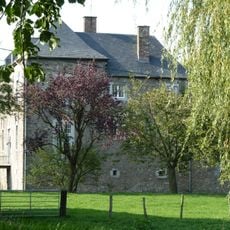
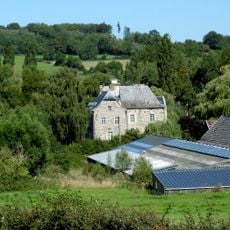
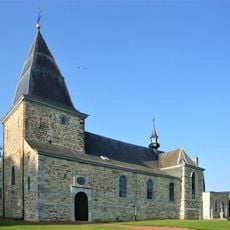
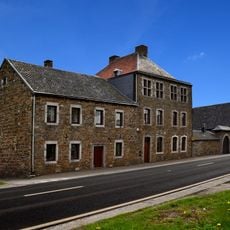
Château de Graaf is a castle set in a small valley near Plombières, surrounded by a wide water-filled moat and accessed by a stone bridge with three arches. The main building dates from the 13th century, with two corner towers added in the 15th century and an 18th-century chapel, while stone and brick wings from the 17th and 18th centuries line the courtyard.
The castle was likely built in the 13th century, though legend mentions a 915 founding date; the first documented owner was Egidius de Triversdorp in 1275. Over the centuries, it changed hands among various families including the Horricks in the 15th and 16th centuries, the Belderbusch from 1500 to 1800, and the Thiriart in the 19th century, before receiving protected heritage status in 1954.
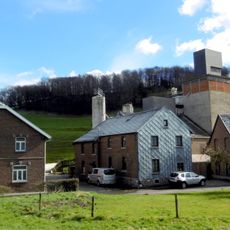
The name comes from Egidius de Triversdorp, an early owner whose family shaped the place for generations. The layout with towers, a chapel, and farm buildings shows how life centered around this stronghold and how different families left their mark over the centuries.
The grounds are easy to explore on foot, with quiet paths around the castle and along the streams feeding the moats offering simple walking. Since the interior is not open to visitors, take time to view the outer structures, towers, bridge, and chapel from outside, which provides a good overview of medieval building design.
A 17th-century oval window called an Œil de Bœuf sits above the gate, dating from when the castle was still actively fortified. This distinctive feature shows the thoughtful defensive design and served as a decorative element symbolizing the site's importance.
The community of curious travelers
AroundUs brings together thousands of curated places, local tips, and hidden gems, enriched daily by 92,762 contributors worldwide.