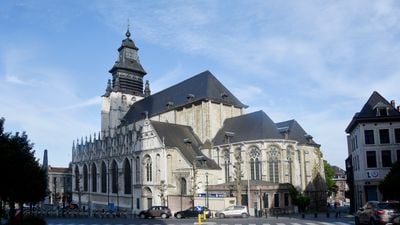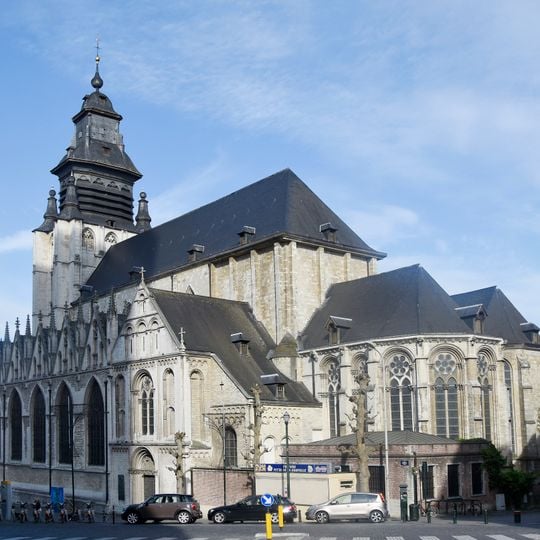
Church of Our Lady of the Chapel, Gothic Catholic church in Marolles district, Brussels, Belgium.
The Church of Our Lady of the Chapel is built of pale Gobertange stone, with a Romanesque transept and crossing tower from the early 13th century, a 13th-century choir, and a nave rebuilt in flamboyant Brabantine Gothic after 1405. Its west tower carries a Baroque slate bell tower designed by Antoine Pastorana in 1708. The exterior shows slender buttress pinnacles alternating with triangular pediments, and gargoyles around the apse.
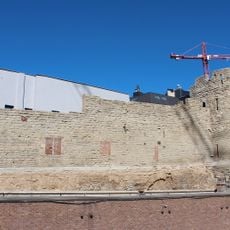
A charter of 1134 records Godfrey I, Count of Louvain, giving a chapel outside Brussels' walls to the Benedictine monks of Cambrai's Holy Sepulcher Abbey, who founded a priory there. Construction of the present church began around 1210; the choir and transept were built between 1250 and 1275. After a fire in 1405, the nave was rebuilt in Brabantine Gothic style.
The church is the parish of Brussels' Polish Catholic community, which venerates an icon of Our Lady of Częstochowa in a side chapel. The square in front, the Place de la Chapelle, was the churchyard until 1822, then became a public square for markets and fairs.
The church stands on Place de la Chapelle, between Rue Haute and Rue de la Chapelle, a short walk from Brussels-Chapel station. The North-South rail tunnel runs directly beneath the building, which raised fears for its stability in the 20th century. The nave is wide and bright while the transept and choir stay low and dark, so allow time for both halves.
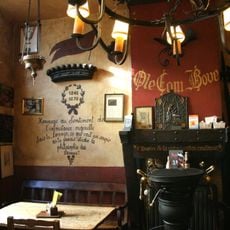
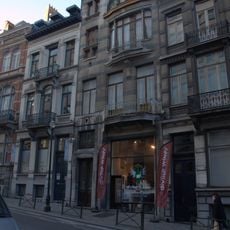
Bruegel was buried here in 1569, in the Chapel of Our Lady; his house still stands on the Rue Haute nearby. The modest monument is easy to miss among the side chapels. The church also keeps a copy of Rubens's Christ Handing the Keys to Saint Peter.
The community of curious travelers
AroundUs brings together thousands of curated places, local tips, and hidden gems, enriched daily by 94,607 contributors worldwide.