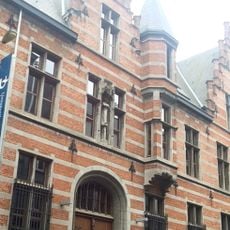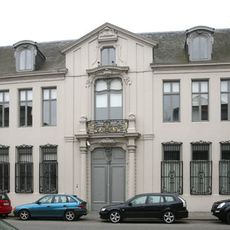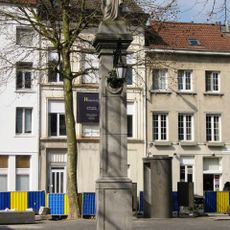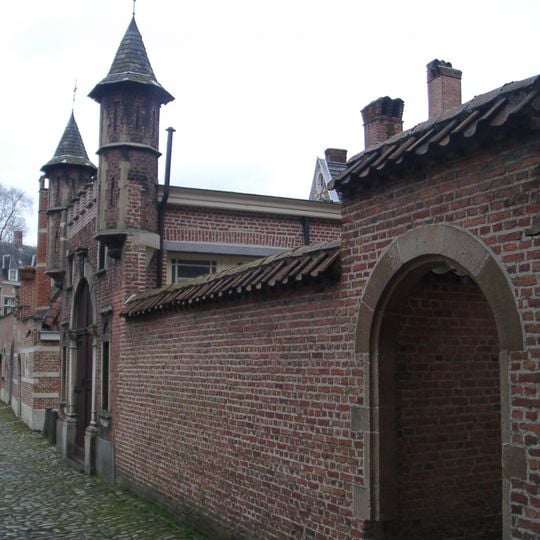
Beguinage of Antwerp, 13th century religious community in Universiteitsbuurt, Belgium
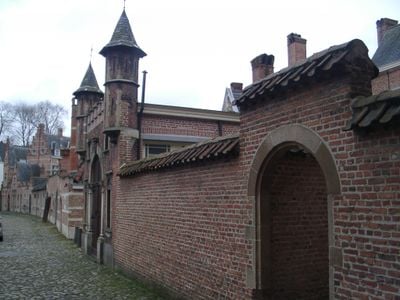
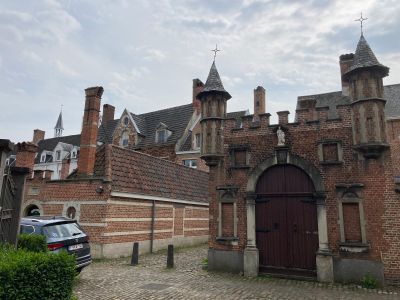
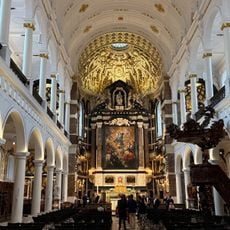
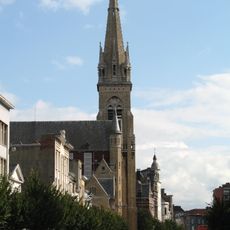
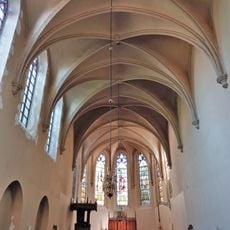
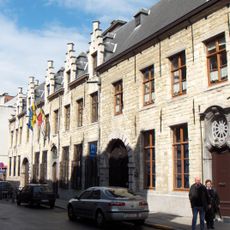
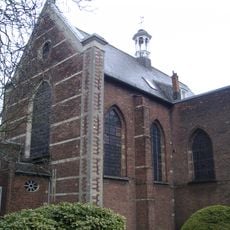
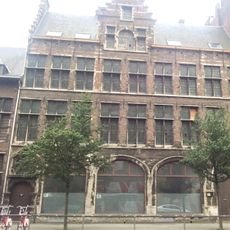
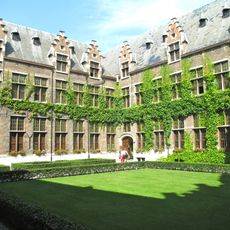
The béguinage of Antwerp is a historic quarter in the heart of the city, made up of narrow cobbled lanes, rows of whitewashed houses, and a central Baroque church. The houses are tightly grouped around small courtyards, forming a self-contained enclosure that feels separate from the streets around it.
The béguinage was founded in the 13th century just outside the city walls, then later moved inside to offer better protection to its residents. The community grew over the following centuries, and the buildings were rebuilt and expanded several times into the form seen today.
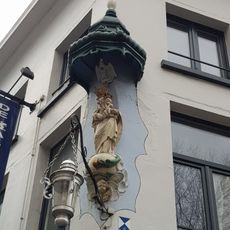
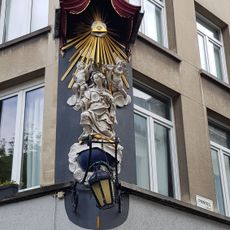
The beguines were women who chose a life of prayer and service without joining a formal religious order, running one of the few medieval communities governed entirely by women. Visitors today can still see small altar niches set into the row house facades, left behind as traces of daily devotion.
The site is open to visitors on most days and easy to explore on foot through the lanes and courtyards. Since some of the houses are still home to residents, it is good practice to keep noise low and move through the narrower passages with care.
The béguinage of Antwerp is not a standalone UNESCO World Heritage Site but is listed as part of a group of 13 Flemish beguinages inscribed together in 1998. This means that a single walk through its lanes puts you inside one piece of a collective heritage that spans several Belgian cities at once.
The community of curious travelers
AroundUs brings together thousands of curated places, local tips, and hidden gems, enriched daily by 91,366 contributors worldwide.