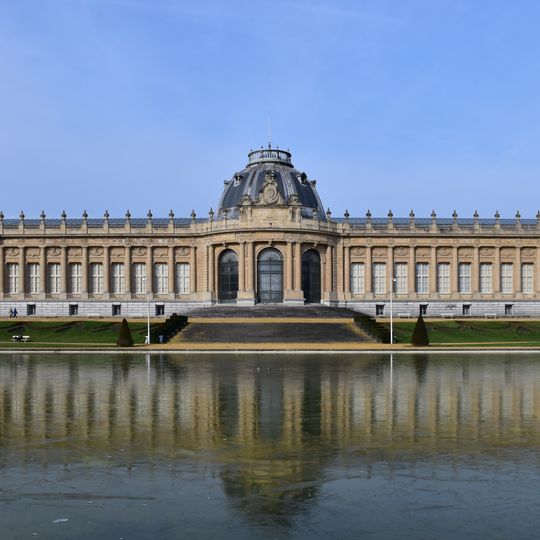
Royal Museum for Central Africa, History and natural science museum in Tervuren, Belgium.
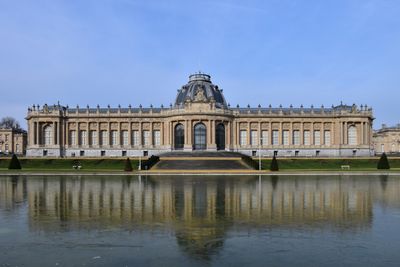
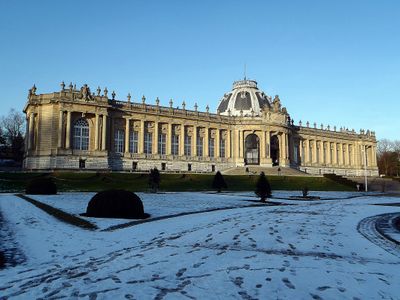
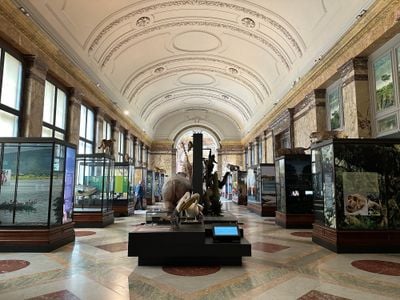
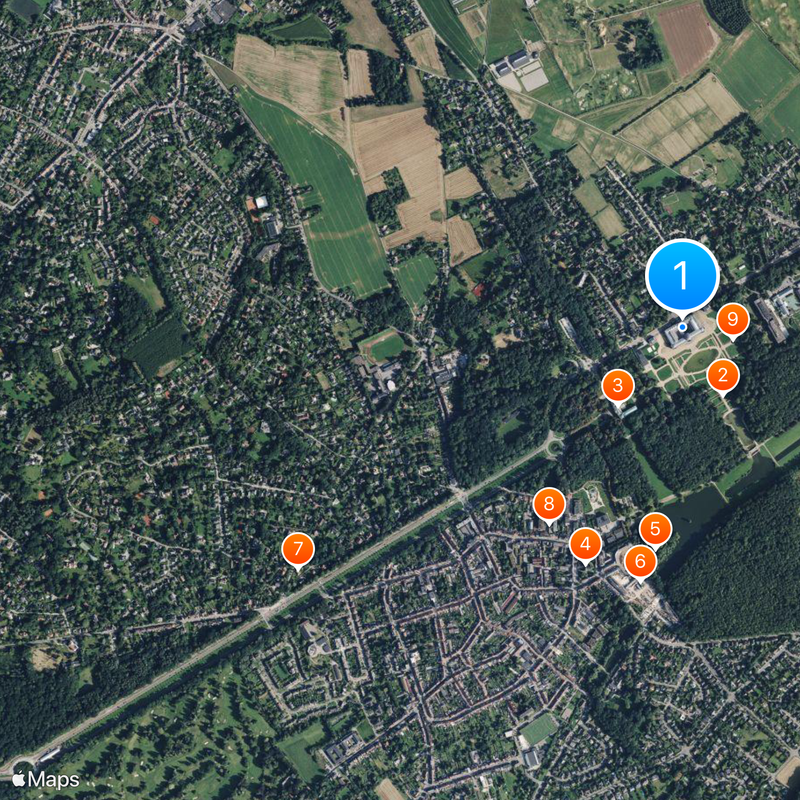
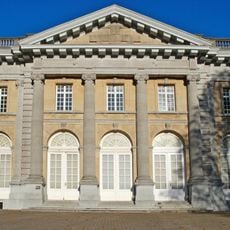
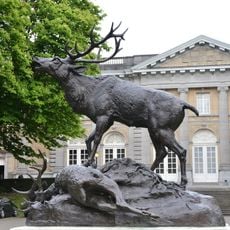
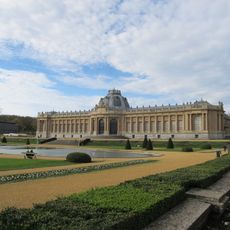
The Royal Museum for Central Africa is a large neoclassical building set in the Tervuren park that houses ethnographic collections and natural science objects from Central Africa. Exhibition rooms spread across several wings and present taxidermy specimens, minerals, masks, weapons and household items from the region.
Leopold II commissioned the building after the 1897 World Fair to permanently display his colonial collection, and architect Charles Girault designed the structure between 1905 and 1910. Following Congolese independence in 1960 the museum's approach changed, and recent years have seen rooms redesigned to include critical perspectives on the colonial period.
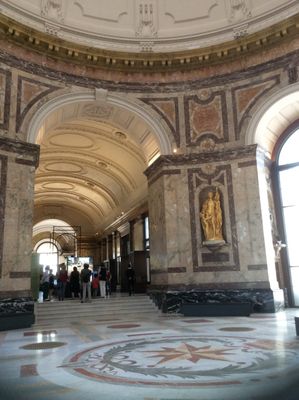
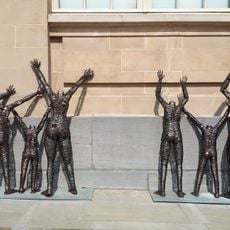
The entrance hall displays carved wooden panels and bronze figures representing wildlife and vegetation from the Congo basin, while marble columns frame the central rotunda. Visitors today walk through galleries where everyday objects, musical instruments and traditional dress from different regions are on view.
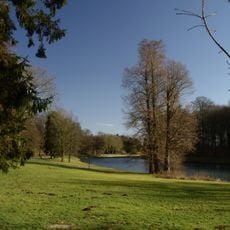
A visit usually takes between two and three hours, and audio guides in several languages help navigate the extended rooms. A restaurant and museum shop are located on the ground floor, while the surrounding park offers a place to walk before or after touring the galleries.
The basement holds storage rooms with thousands of insects and other invertebrates that researchers from around the world come to study. The library in a side wing contains rare manuscripts and 19th-century travel accounts that are accessible for scholarly research.
The community of curious travelers
AroundUs brings together thousands of curated places, local tips, and hidden gems, enriched daily by 91,993 contributors worldwide.