Tervuren Park, Public park in Tervuren, Belgium
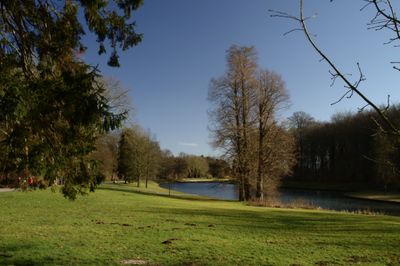
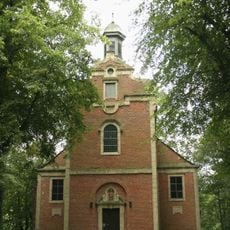
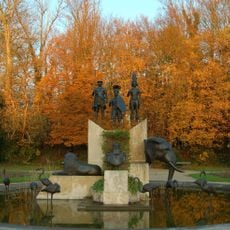
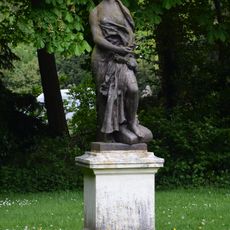
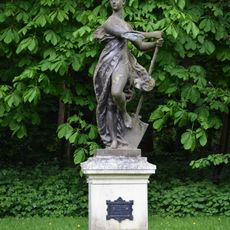
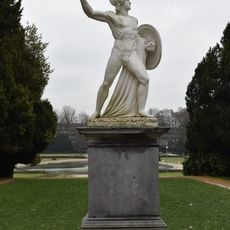
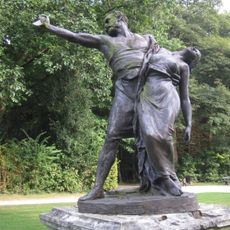
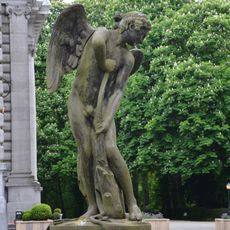
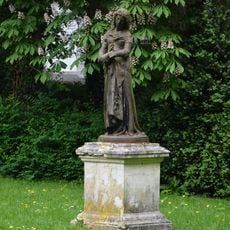
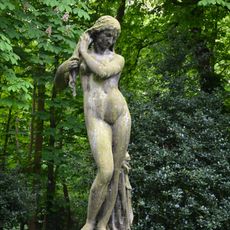
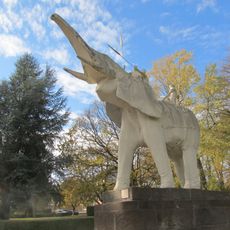
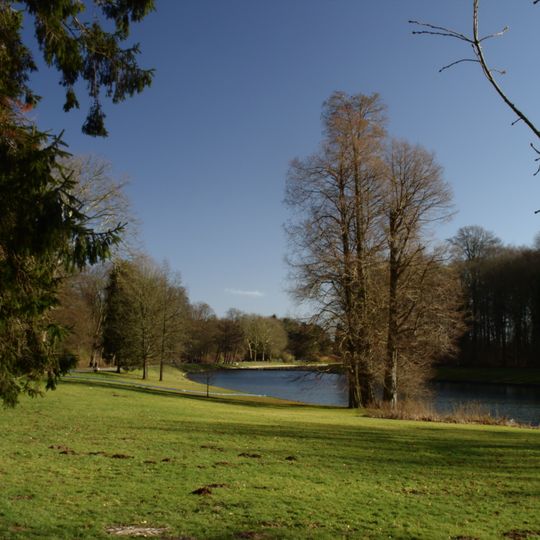
Tervuren Park covers 205 hectares between Tervuren and Vossem, at the edge of the Sonian Forest. Its eight ponds lie among beech woodland, and the old Warande east of the vanished castle keeps the star-shaped layout of seven avenues meeting at one central point. The Leuvense Poort of 1627, the last of the estate's ten gates, stands in the grounds.
Henry I, Duke of Brabant, built a castle at the confluence of the Maelbeek and Voer in the early 13th century, used mainly as a hunting base. Albert and Isabella made it their residence in 1599, and Charles of Lorraine converted it into a summer residence in the 18th century, when the park's chessboard layout east of the castle was changed to a star pattern whose seven avenues still meet at a central point. Joseph II ordered the castle demolished in 1782. Leopold II had the park developed from 1853, and Élie Lainé designed the classical garden for the 1897 world fair.
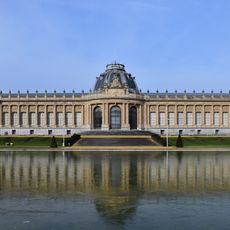
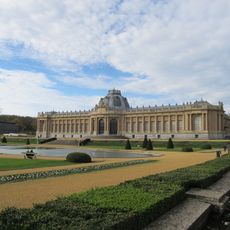
The museum within the grounds displays collections about Belgian colonial history in Congo, presenting perspectives on this period that visitors encounter during their visit. People come to walk through the park and engage with these narratives set among the trees.
The park is open year-round and has marked paths for both walking and cycling, making it easy to get around without a map. Spring and autumn tend to be quieter, which makes moving through the grounds more comfortable.
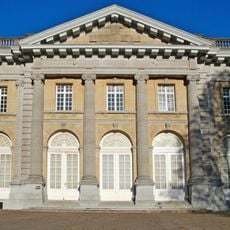
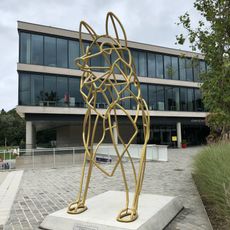
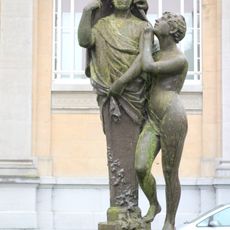
The building at the edge of the park houses the Royal Museum for Central Africa, which can be reached directly on foot through the grounds. It was built at the same time as the park's current layout and was originally intended for a world fair.
The community of curious travelers
AroundUs brings together thousands of curated places, local tips, and hidden gems, enriched daily by 93,704 contributors worldwide.