Beguinage of Tongeren, Medieval religious community in Tongeren, Belgium
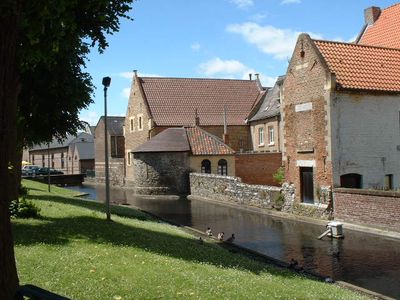
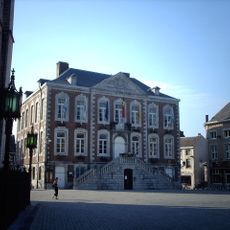
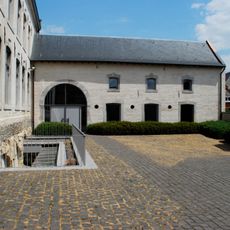
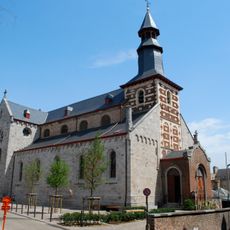
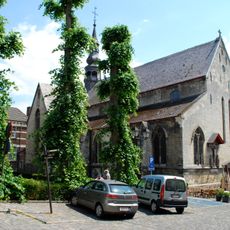
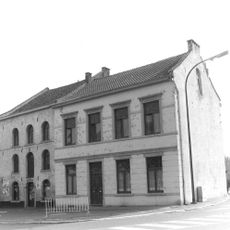
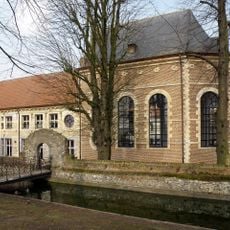
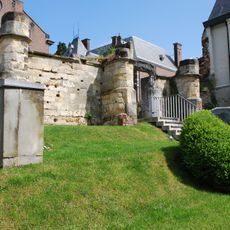
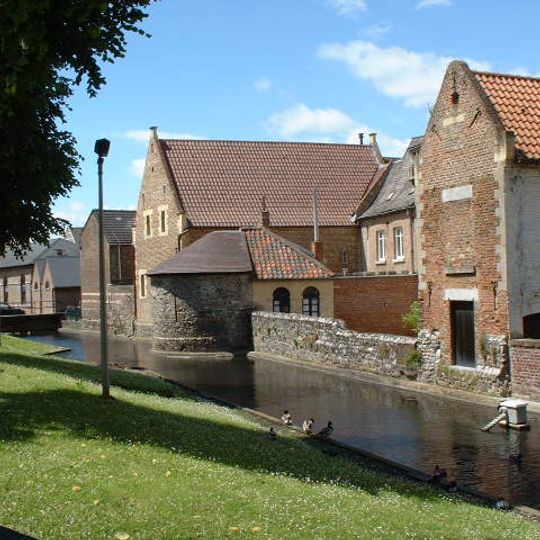
The Sint-Catharina Beguinage is a walled compound with narrow paved streets, small courtyards, and modest residential buildings arranged in an orderly pattern. The structures range from simple dwellings to larger religious spaces, creating a self-contained neighborhood within the town walls.
Beguines lived in Tongeren before 1239, near the old Sint-Jacobsgasthuis by the Kruispoort. When a town wall built between 1240 and 1290 left their homes outside the defences, they received land near the Jeker and the Moerenpoort in 1257. The 17th century brought prosperity: wooden houses were replaced in stone and the whole site was built over between 1610 and 1716, with nearly 100 dwellings and more than 300 beguines at its height. In 1789 the French occupiers confiscated the beguinage and sold it to private owners.
This community represented a middle path where women chose their own spiritual way without taking final religious vows. The narrow streets and simple dwellings still show how residents shaped their daily routines around work, prayer, and mutual support.
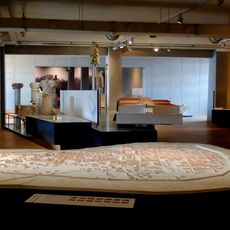
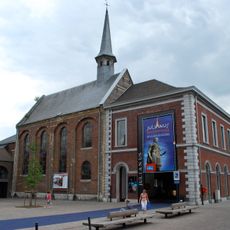
The site is easy to navigate on foot, with level pathways throughout and good signage to help you understand the layout. A museum occupies one of the courtyards and provides context about former residents and their routines.
The Infirmerie on Sint-Ursulastraat already served as a sickhouse and guest lodging in 1264; the present building dates from the second half of the 17th century. The Brouwhuis, the beguinage brewery, was built in 1644 as a deep Maas-style house.
The community of curious travelers
AroundUs brings together thousands of curated places, local tips, and hidden gems, enriched daily by 95,542 contributors worldwide.