Belgian Coast, Coastal region in West Flanders, Belgium.
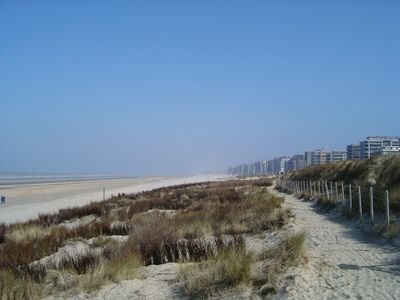
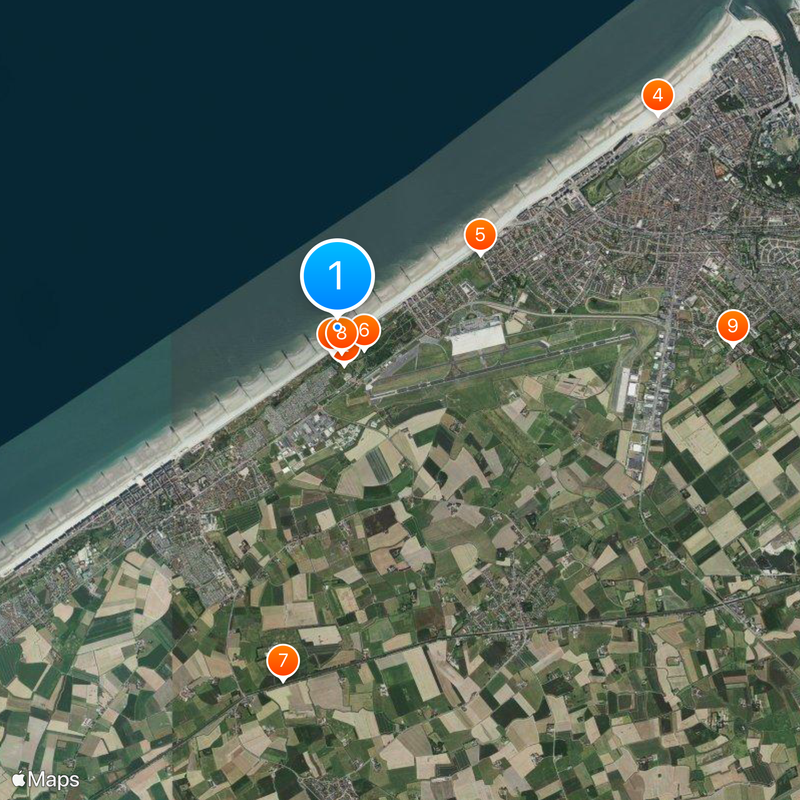
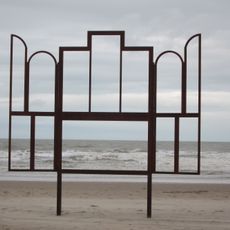
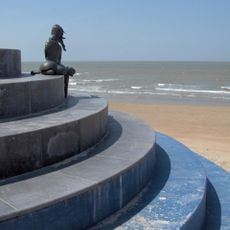
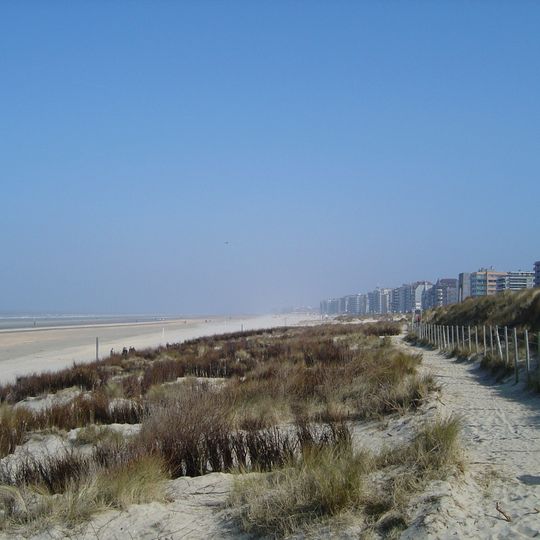
The Belgian Coast stretches about 65 kilometers along the North Sea, defined by wide sandy beaches and narrow dune formations. The region encompasses multiple coastal municipalities connected by a natural shoreline.
The Belgian Coast developed over centuries as a vital link between people and the sea, shaped by maritime trade and fishing. The region played a crucial role during both World Wars, serving as a refuge and defensive zone.
Fishermen in Oostduinkerke still practice the traditional method of catching gray shrimp on horseback, pulling nets through the shallow coastal waters. This centuries-old craft remains visible and shapes how locals interact with the sea.
The coastal tram connects all seaside resorts from De Panne to Knokke-Heist, offering convenient transportation along the entire coastline. Regular stops and easy access allow visitors to reach different municipalities and beaches without difficulty.
A network of sandbanks and channels extends about 87 kilometers into the sea and lies hidden beneath the water surface. This submarine landscape continues to shape fishing and maritime conditions today.
The community of curious travelers
AroundUs brings together thousands of curated places, local tips, and hidden gems, enriched daily by 92,470 contributors worldwide.