Arentshof, Public garden in central Bruges, Belgium
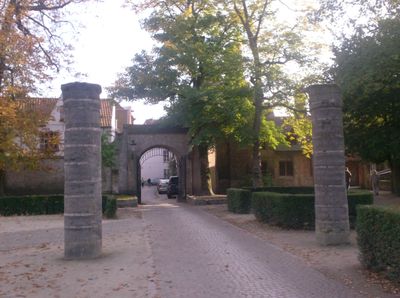
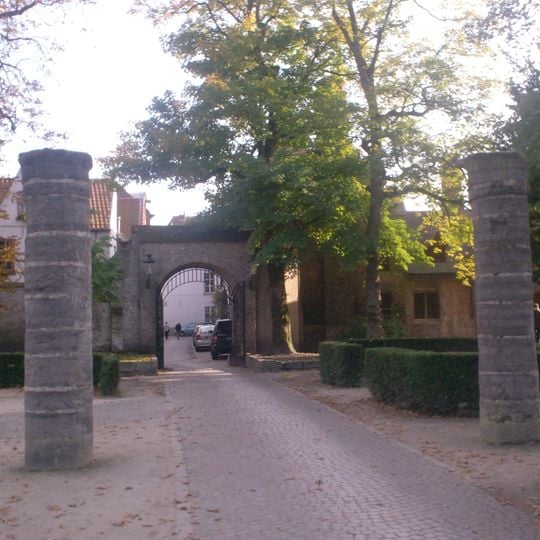
Arentshof is a public garden in central Bruges beside the 18th-century Arentshuis, between the Groeningemuseum and Gruuthusemuseum. A brick path runs between two tall grey stone pillars toward a stone gateway with a rounded arch and a dark metal gate; trimmed green hedges line the right side, and a brick building with a dark roof adjoins the gateway.
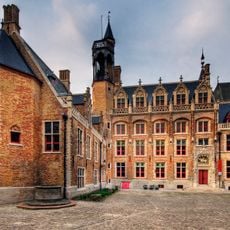
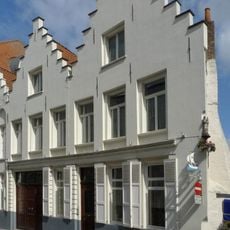
Until the 17th century the garden belonged to the Gruuthuse domain. In the 18th century it was owned by Valentin de Stappens de Harnes, schout of Bruges, then by his son Louis-Philippe and his wife Petronilla van Outryve. After debts forced a sale, Emmanuel-Louis van Outryve d'Ydewalle bought it. The city expropriated the property from Aquilin Arents de Beerteghem in 1908 to give it a museum function and open the garden to the public.
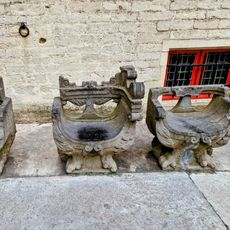
Two columns from the former Waterhalle, originally located at the Markt, now stand in the garden as reminders of the city's past and show how historical structures are preserved and given new purpose. Visitors can see how these architectural pieces integrate into the garden's design.
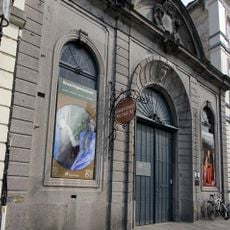
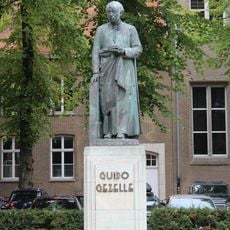
The garden lies between the Groeningemuseum and the Gruuthusemuseum, with the museum shop in the former coach house. The main section connects to a second part across the Sint-Bonifaciusbrug, built over the Reie in 1911, which leads out to the Guido Gezelleplein and the Onze-Lieve-Vrouwekerkhof-Zuid.
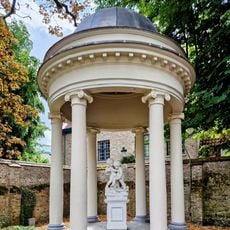
The garden features Rik Poot's sculpture 'Four Horsemen of the Apocalypse', a modern artwork set within the historical surroundings. An 18th-century gloriette, a small decorative garden structure, stands nearby with classical charm.
The community of curious travelers
AroundUs brings together thousands of curated places, local tips, and hidden gems, enriched daily by 94,457 contributors worldwide.