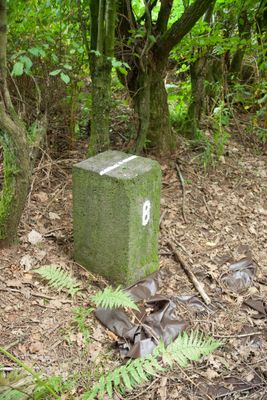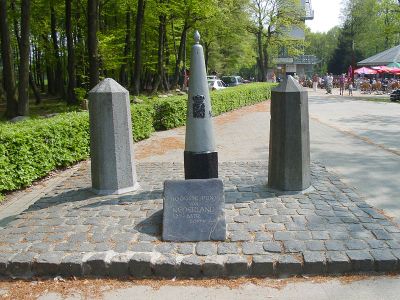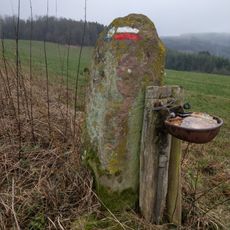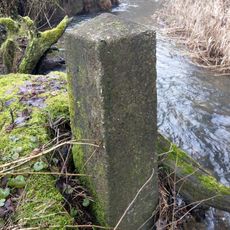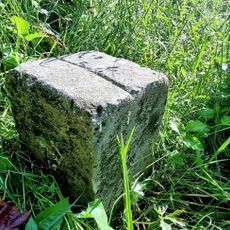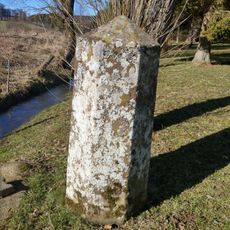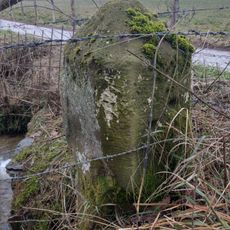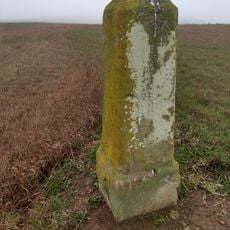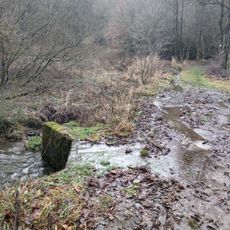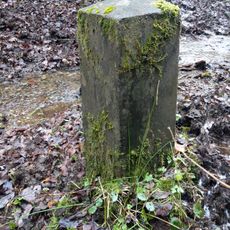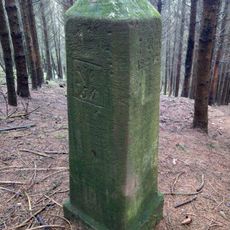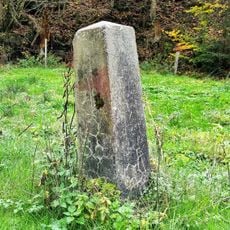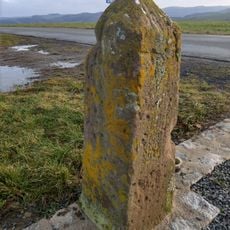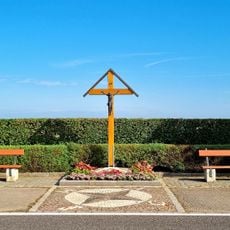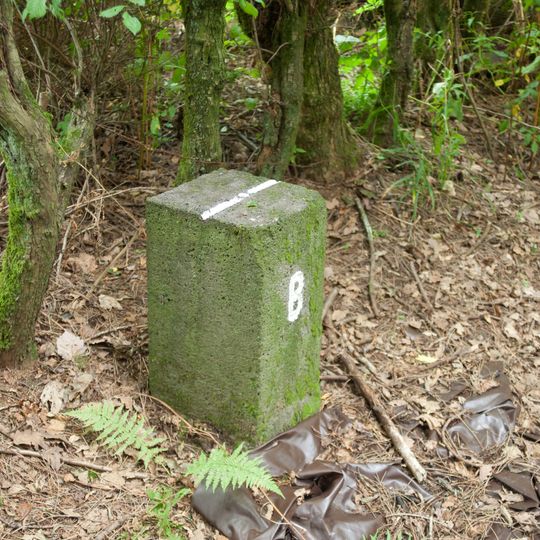
Belgium–Germany border, international border
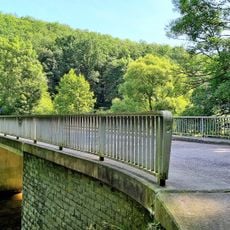
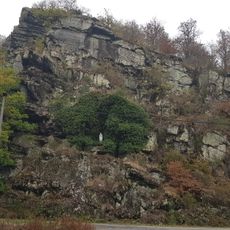
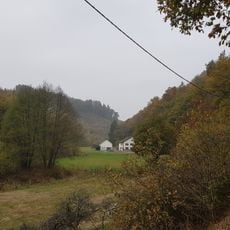
The Belgium-Germany border is an international land boundary that runs between the two countries through forests, upland moors, and rolling hills of the High Fens region. Several roads and two motorways cross it, and two railway lines link Liège and Tongeren on the Belgian side with Aachen on the German side.
The border took its current shape after World War I, when the 1919 Treaty of Versailles transferred the Eupen-Malmedy region and the Vennbahn railway route from Germany to Belgium. Germany briefly reannexed these territories during World War II, but the original boundary was restored once the war ended.
On the Belgian side of the border, the area around Eupen is home to a German-speaking community where German is an official language. In the villages along the boundary, daily life, local markets, and food traditions feel similar on both sides, making the border nearly invisible in everyday culture.
Since both countries are part of the Schengen Area, there are no routine passport or customs checks at the crossing points. Pedestrians and cyclists can cross freely at many spots, and the Vennbahn cycling route is a popular way to travel through the border area at a relaxed pace.
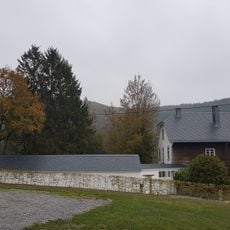
The old Vennbahn railway line created six German enclaves that are completely surrounded by Belgian territory, a direct consequence of the railway route becoming a national boundary. One of these enclaves, Ruitzhof, contains just a handful of houses, making it one of the smallest enclaves in Europe.
The community of curious travelers
AroundUs brings together thousands of curated places, local tips, and hidden gems, enriched daily by 60,000 contributors worldwide.