Abbey Museum of the Dunes, History museum in Koksijde, Belgium
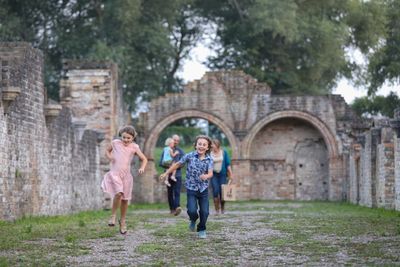
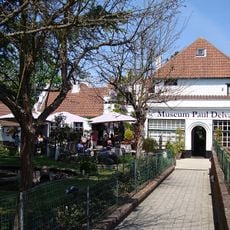
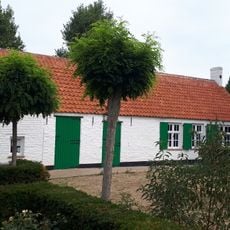
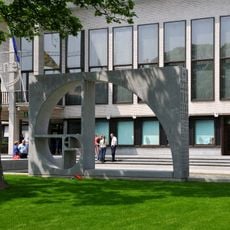
The Abbey Museum of the Dunes (Abdijmuseum Ten Duinen) is a municipal museum in Koksijde, near the site of the Cistercian Abbey of Our Lady of the Dunes. Its displays trace daily life in the medieval abbey through archaeological finds from the site, and since 2019 they include the abbey's building history as recorded in Pieter Pourbus's 1580 'Plan of the Abbey of the Dunes'. The museum stands in a park of about 6 hectares and also manages the adjacent ruined abbey site, the 18th-century Zuid-Abdijmolen windmill and the Vanneuvillehuis fishermen's house.
The abbey began as a hermit settlement and grew into a Benedictine monastery that joined the Cistercian order in 1138. By the late 13th century it held about 10,000 hectares across present-day Belgium, France, the Netherlands and England, with up to some 370 members. Floods, the Reformation, iconoclasm and drifting sand ruined the site; the community reorganized in Bruges from 1627 and the abbey was abolished in 1796.
The museum's collection centres on archaeological finds from the abbey site, excavated during campaigns in the second half of the twentieth century: worked stone, building ceramics, window glass, pottery, metal, wood, textiles, glass vessels and human and animal skeletal material. A second collection of religious heritage adds prints, manuscripts, relics, devotional objects, sculptures and paintings linked to the abbey and its history.
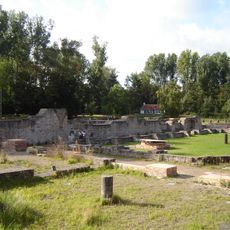
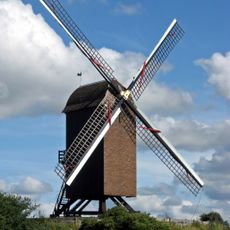
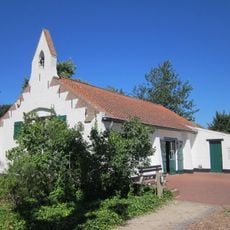
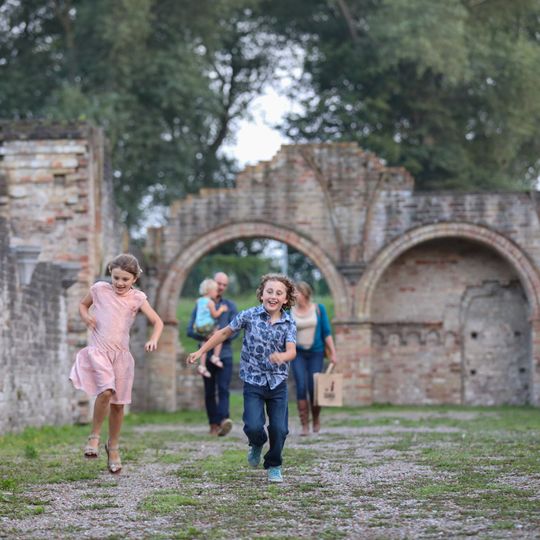
The museum and its roughly 6-hectare park domain also manage the adjacent archaeological site, a listed monument since 1986, plus the 18th-century Zuid-Abdijmolen windmill and the Vanneuvillehuis. The mill was bought by Koksijde in 1954, dismantled at Houtem and rebuilt on the mill hill where one of the abbey's two windmills once stood.
The museum's collection centres on archaeological finds from the abbey site, excavated during campaigns in the second half of the 20th century: worked natural stone, building ceramics, flat glass and stained glass, pottery, metal, wood, textile, hollow glass, and both animal and human skeletal material. A VR experience, Ten Duinen@1490, lets visitors see part of the abbey from the inside.
The community of curious travelers
AroundUs brings together thousands of curated places, local tips, and hidden gems, enriched daily by 94,610 contributors worldwide.