Hill 80, Excavated World War I battlefield and archaeological site in Wijtschate, Belgium
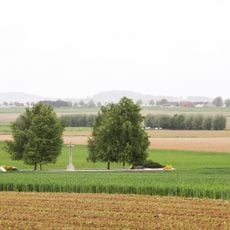
Hill 80 is an archaeological site in Wijtschate containing well-preserved German World War I trenches positioned on a ridge overlooking the surrounding farmland. The location shows both the military structures and the natural advantages that made this position strategically important for defense and observation.
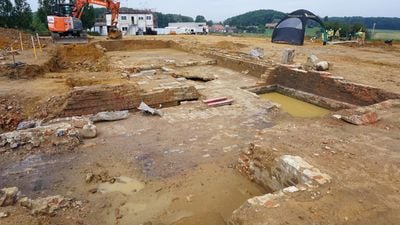
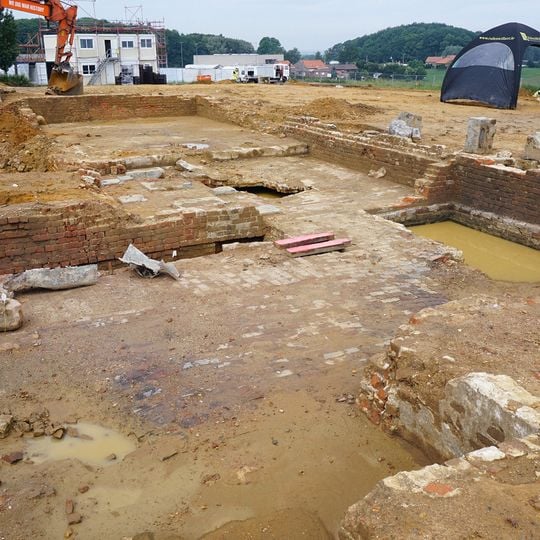
German troops took Wijtschate in November 1914 and turned the Kapelleriemühle mill site into a strongpoint of the Wytschaete salient, with trenches, a command post in cellars and two underground barracks of 200 and 35 beds. Allied forces overran it in June 1917, German troops retook it in April 1918, and the Allies took it for good in September 1918. After the war the trenches were backfilled and the ground lay unused until a 2018 excavation of 1.1 hectares, funded by crowdfunding, recovered about 1,500 objects and the remains of around 130 soldiers.
German troops called the position "Kapelleriemühle" after the wind- and steam-powered mill that burned in 1914. The name Hill 80 refers to its elevation of 80 metres above sea level. The site was excavated in 2018 and then backfilled, so no trenches are visible today.
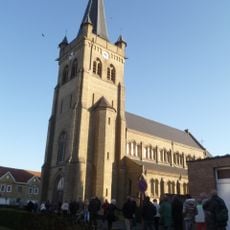
The excavated area was backfilled after the 2018 dig and is not open as a walking circuit; the site lies about 200 m north of Wijtschate's church, on the ridge between Messines and Wijtschate. The ground is compacted earth with exposed brick footings and a shallow water-filled trench, so watch your footing. Housing was planned for the 1.1-hectare plot, so access may change.
Excavations uncovered remarkably preserved personal items belonging to soldiers, including a sandbag that remained intact beneath timber fortifications for more than a century. These finds provide rare insight into the physical realities of trench warfare.
The community of curious travelers
AroundUs brings together thousands of curated places, local tips, and hidden gems, enriched daily by 94,611 contributors worldwide.