Pontic-Caspian steppe, Temperate grassland in Eastern Europe, Russia
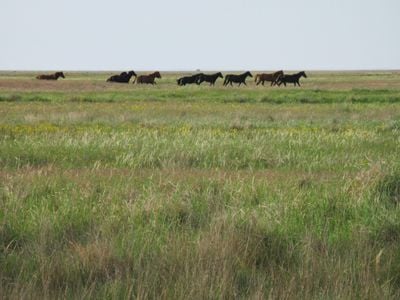
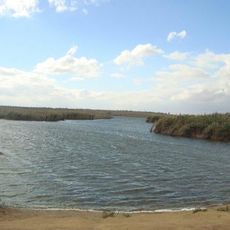
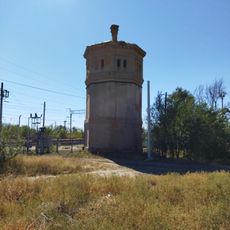
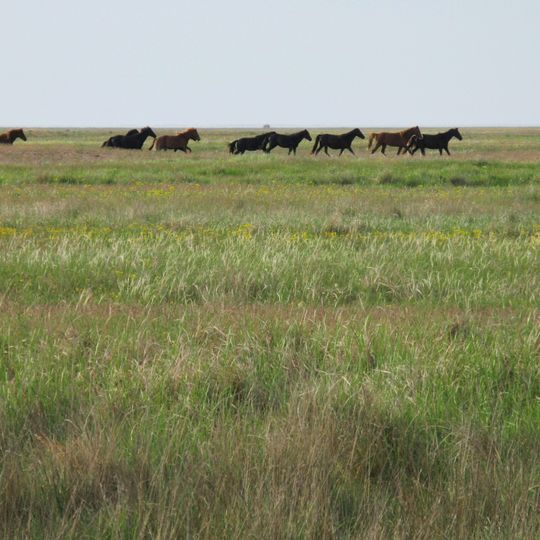
The Pontic-Caspian steppe is a grassland region in Eastern Europe and Russia that stretches from the Black Sea to the Caspian Sea. The flat plains change appearance with the seasons as different grasses grow and dry out after a few months.
This plain was home to early Indo-European speakers from the 4th millennium BC onward, who later migrated west and south. Various nomadic horsemen passed through the region in the following millennia and shaped its connections to neighboring civilizations.
Artificial mounds called kurgans stand scattered across the wide plain and serve as burial sites for early nomadic horsemen. Local people often regard these earthen hills as natural landmarks that structure the horizon and provide orientation in the flat surroundings.
The steppe looks best in spring and early summer, when grasses bloom and the plain appears in different shades of green. Visitors should prepare for sun and wind, as there is little shade or natural cover.
Researchers believe that humans first tamed horses here, which later fundamentally changed travel and warfare. The wide plain offered enough space for herds and made domestication possible long before other civilizations benefited from it.
The community of curious travelers
AroundUs brings together thousands of curated places, local tips, and hidden gems, enriched daily by 90,864 contributors worldwide.