Old Sarepta, Museum complex in Volgograd, Russia
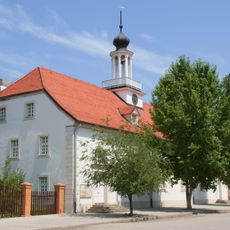
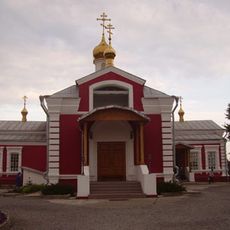
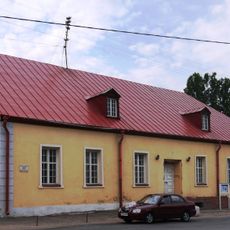
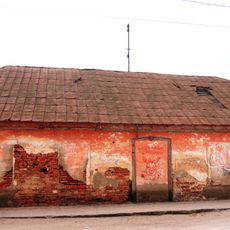
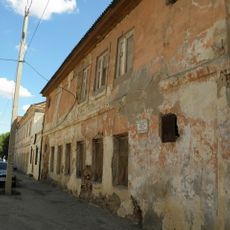
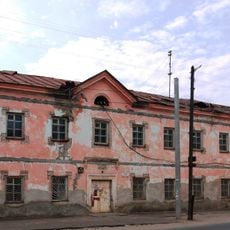
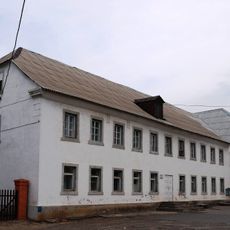
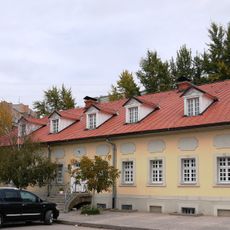
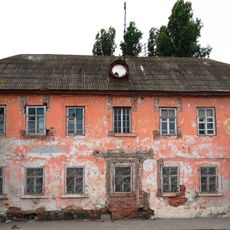
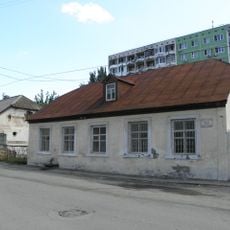
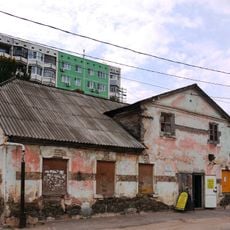
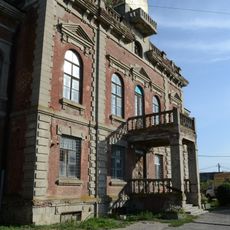
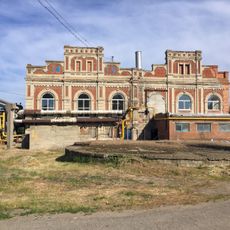
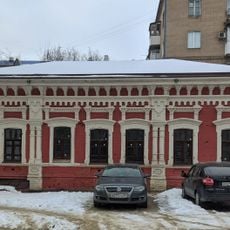
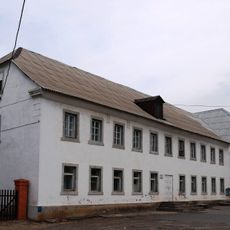
Old Sarepta is a museum complex in Volgograd that displays several preserved buildings from the 1700s, including wooden houses, a church, and work structures. The grounds allow visitors to walk through and observe how a religious settlement from that era was physically organized.
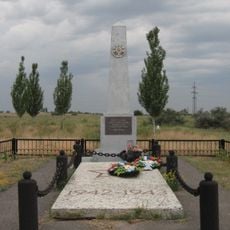
Sarepta was founded in 1765 as the first and only colony of the Moravian Brethren (Herrnhuters) on Russian territory, not by Catholic missionaries. Its settlers contributed to the economy and culture of the Lower Volga region, and the settlement became the birthplace of Russian mustard cultivation and the country's first mustard-processing plants. In 1989 the museum-reserve was created on the preserved colonial complex.
The settlement reflects how German-speaking religious communities organized their daily lives in this region. You can observe their homes, gardens, and workspaces arranged to show the routines and values they held during their time here.
The site is easy to navigate with pathways connecting the main buildings throughout the grounds. Plan for several hours to explore the different structures and view the items displayed inside the houses.
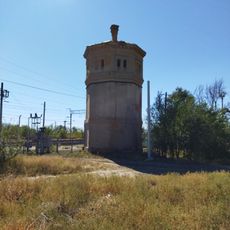
The site features Russia's first public water distribution network, built as early as 1766 before similar systems appeared in larger Russian cities. This infrastructure reveals how technically advanced the community was for its time.
The community of curious travelers
AroundUs brings together thousands of curated places, local tips, and hidden gems, enriched daily by 93,881 contributors worldwide.