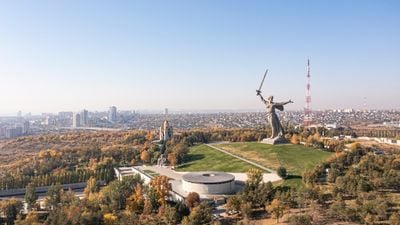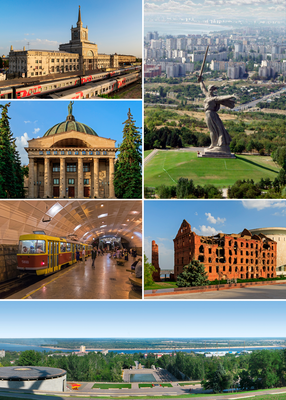
Volgograd, Administrative center in southwestern Russia
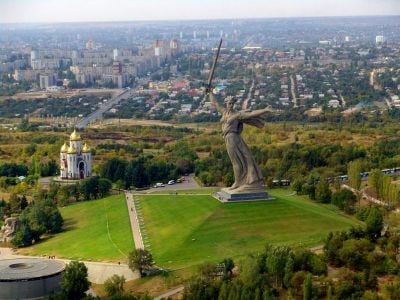
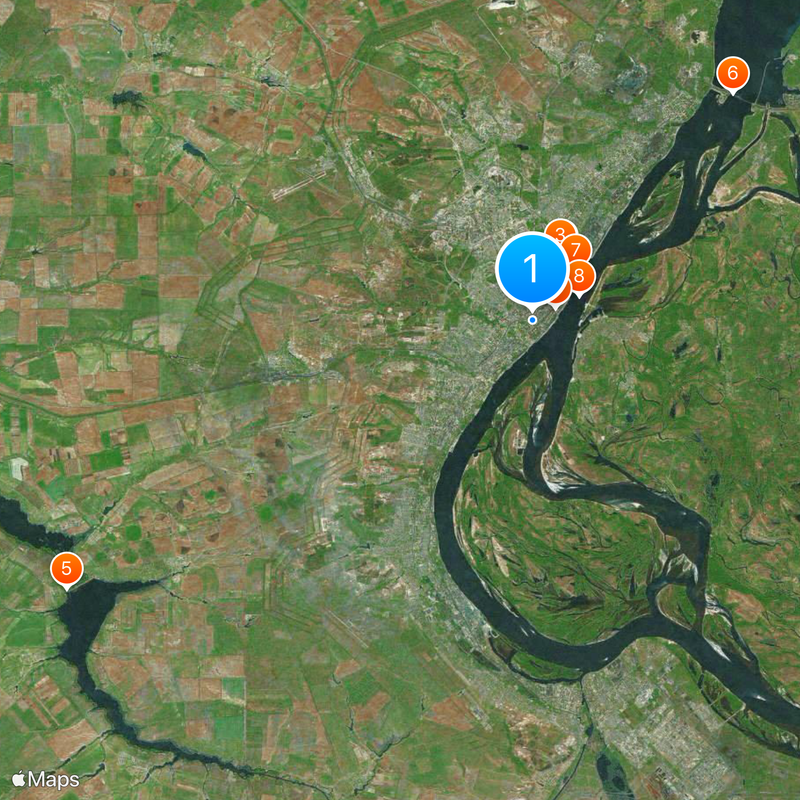
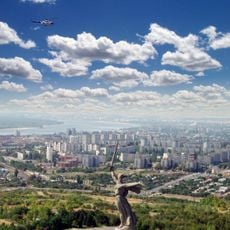
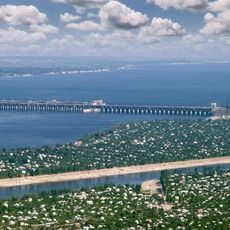
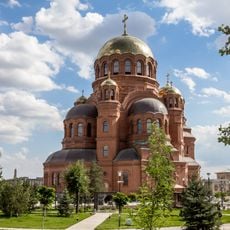
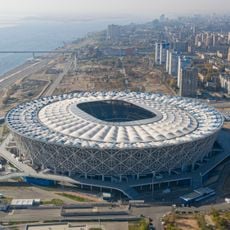
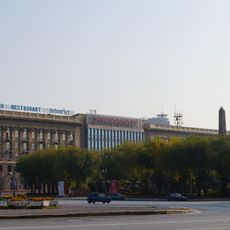
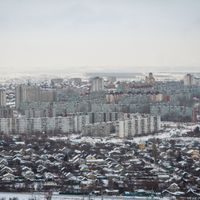
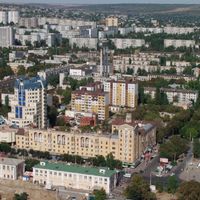
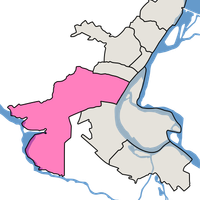
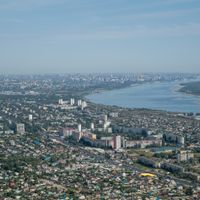
Volgograd is a large city in southwestern Russia that stretches along both banks of the Volga River. It extends for about 40 miles along the waterway, with residential neighborhoods, industrial districts, and wide boulevards connected by long waterfront zones.
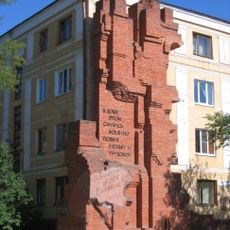
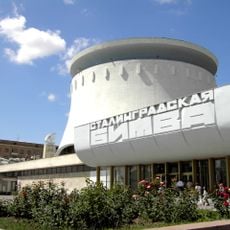
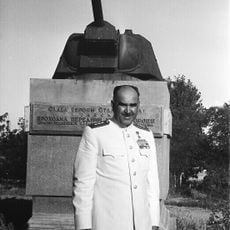
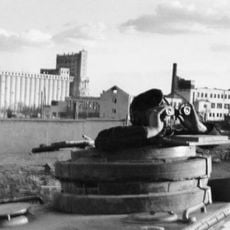
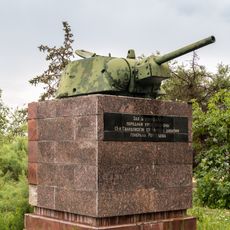
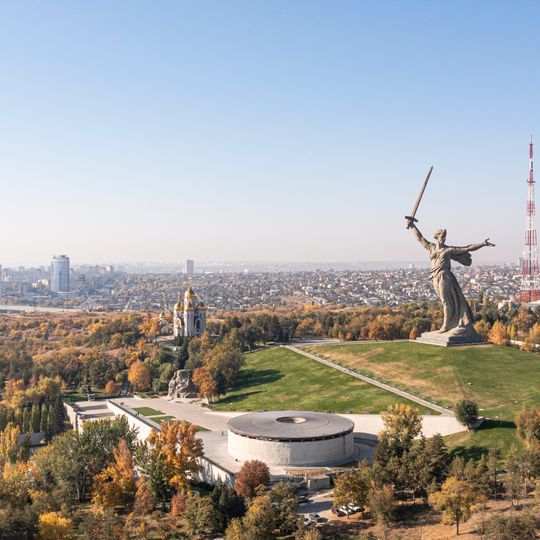
The settlement began in 1589 as the fortress of Tsaritsyn and gained worldwide recognition during World War II under the name Stalingrad. After the war, it was entirely rebuilt and received its current name in 1961.
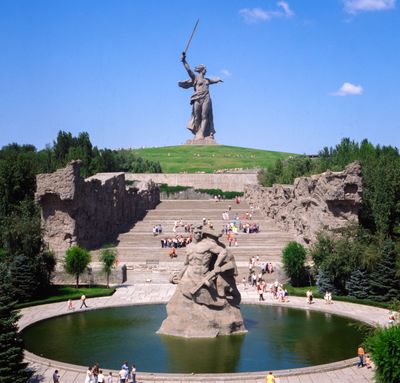
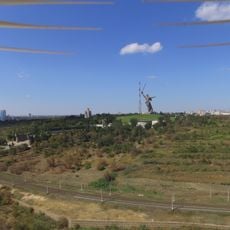
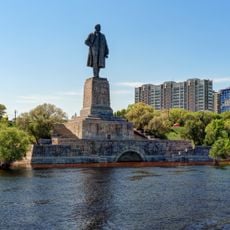
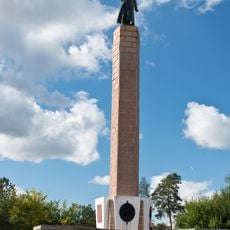
Locals often gather along the riverfront promenade where families stroll and elderly residents play cards on benches. In parks and memorial sites, you will notice the local habit of laying fresh flowers, especially on weekends or anniversaries.
The city is connected through the Volga-Don Canal to two river systems, which helps with orientation along waterways. The center is best explored on foot, while trams connect different districts across the length of the settlement.
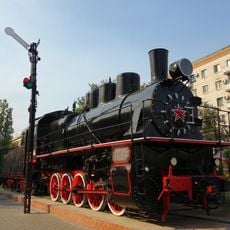
The local railway station is one of the longest in Russia, stretching nearly 600 meters along the tracks. Underground tram stops in the center resemble small metro stations in design, with staircases and covered platforms.
The community of curious travelers
AroundUs brings together thousands of curated places, local tips, and hidden gems, enriched daily by 91,271 contributors worldwide.