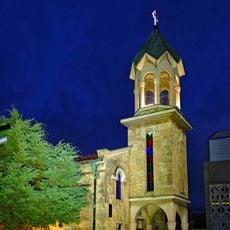
Aquae Calidae, Roman thermal complex in Burgas, Bulgaria
Aquae Calidae is an archaeological site containing layers of thermal baths spanning multiple periods, including Roman pools, Byzantine structures, and a Turkish bath. The excavations have uncovered several phases of construction and use, revealing how the complex was modified and expanded over time.
The hot springs were used from the Neolithic, and the Thracians built a sanctuary of the Three Nymphs around them in the 1st millennium BC. Philip II of Macedon passed through in the 4th century BC, but the first baths were built after the Roman conquest, in the 1st century BC. Under Trajan (98–117) two large pools were added and a road station named Aquae Calidae was founded.
The site served as a gathering place for travelers from distant lands who came to experience the healing waters and conduct trade. Visitors from Greece, Italy, and the Aegean region left traces of their presence here over many centuries.
The site features walkways connecting different sections, making it easy to navigate between the Roman baths, medieval chambers, and exhibition areas. You can move through the complex at your own pace and view finds from the excavations on display.
Inside the restored bath of Suleiman the Magnificent, a 3D mapping film shows how the location evolved through the centuries. This presentation helps visitors grasp the transformations that occurred across different historical periods.
The community of curious travelers
AroundUs brings together thousands of curated places, local tips, and hidden gems, enriched daily by 93,849 contributors worldwide.