Demir Baba Teke, Alevi mausoleum in Sveshtari, Bulgaria
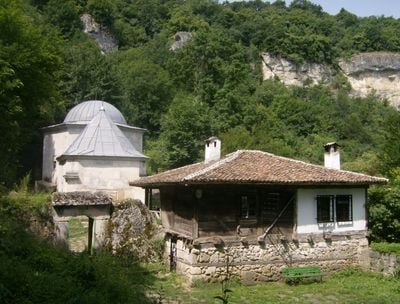
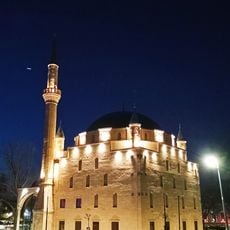
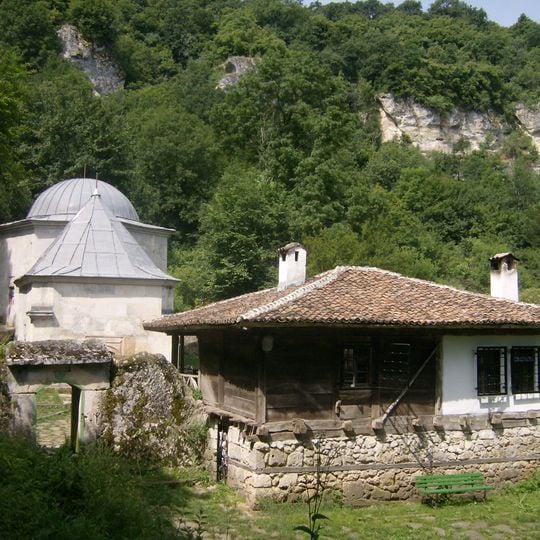
Demir Baba Teke is a heptagonal mausoleum featuring a hemispherical dome built from local sandstone and a brick and wood sarcophagus inside. The structure sits within an archaeological reserve that encompasses additional historical remains and visitor facilities.
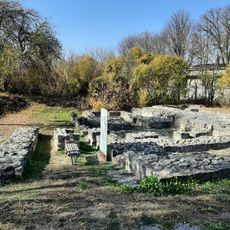
The Vilayetname, an Ottoman manuscript, dates the türbe to 1612–1617, though it may have been built in the mid-16th century over a Thracian sanctuary used from the 6th century BC to the 2nd century AD. Excavations in 1983–1991 found that 1.2–1.5 m thick walls incorporate blocks from the sanctuary's altars, with steps for Thracian priests and channels for sacrificial blood and wine. A mosque was recorded in the late 18th and mid-19th centuries, and the wooden imaret was demolished in 1976.
Visitors to the site practice Alevi traditions, such as washing at the nearby spring and tying pieces of cloth to surrounding trees as gestures of faith. The mausoleum functions as a sacred gathering place where these customs remain embedded in daily spiritual practice.
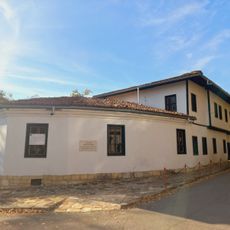
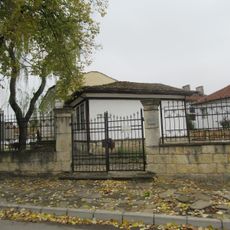
The tekke stands in the Krapinets canyon bend beside a strong karst spring, within the Sboryanovo reserve, one of Bulgaria's 100 Tourist Sites. The türbe, spring and one surviving residential building are enclosed by a low stone wall; a small exhibition in the residential building recounts the Alevi story and Demir Baba. The courtyard slabs hide the Thracian sanctuary wall and four sacrificial platforms.
The spring beside the tekke is called Beş Parmak, Turkish for "five fingers", after a legend that Demir Baba thrust his hand into the rock during a drought and water gushed out. Channels cut in a rock at the courtyard entrance once carried sacrificial blood and wine into a buried clay vessel.
The community of curious travelers
AroundUs brings together thousands of curated places, local tips, and hidden gems, enriched daily by 93,578 contributors worldwide.