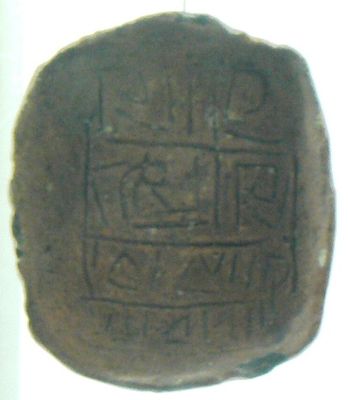
Gradeshnitsa tablets, Neolithic clay tablets in Gradeshnitsa, Bulgaria.
The Gradeshnitsa tablets are clay objects with pictographic signs carved into their surface from around 4000 BC. Four distinct rows of symbols are visible on these artifacts, each marking representing elements of early visual communication.
These artifacts were discovered in 1969 during excavations near Gradeshnitsa village in the Vratsa region. The findings indicate that early communities in this area had already developed systems for recording and expressing information.
The inscribed symbols show different marks that people used in their daily lives and thinking. These signs offer insight into how early inhabitants of this region expressed themselves and what mattered to them.
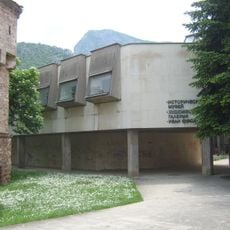
These objects can be viewed at the Vratsa Regional Museum of History, located in Vratsa town and open throughout the week. The museum displays the tablets in a controlled environment where their details can be examined closely.
The symbols resemble patterns found in other early Mediterranean civilizations, suggesting that distant communities may have developed comparable visual systems independently. This parallel development challenges simple assumptions about how writing systems spread across ancient regions.
The community of curious travelers
AroundUs brings together thousands of curated places, local tips, and hidden gems, enriched daily by 90,836 contributors worldwide.