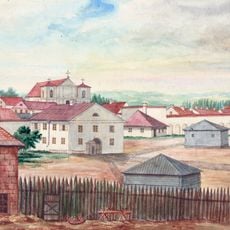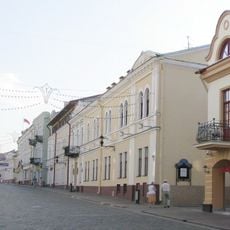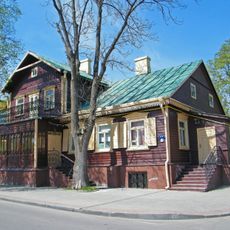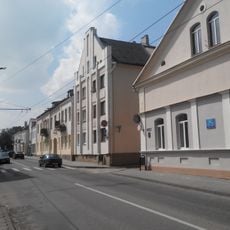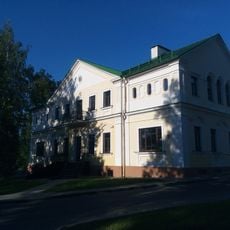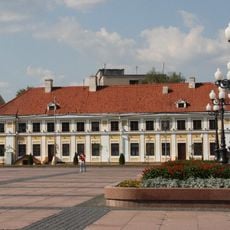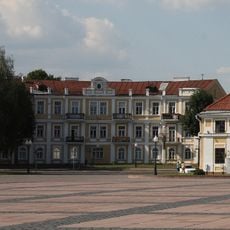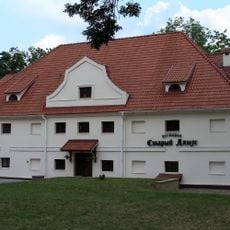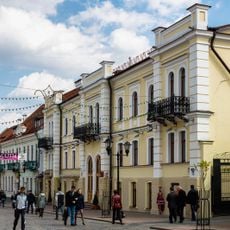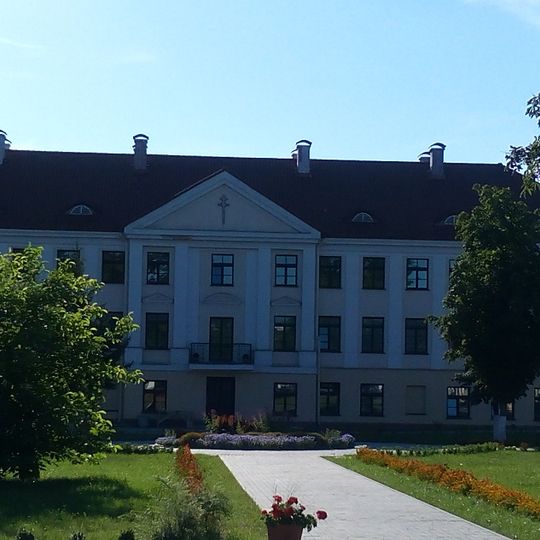
Vice Administrator's Palace in Hrodna, Classical palace in Hrodna, Belarus.
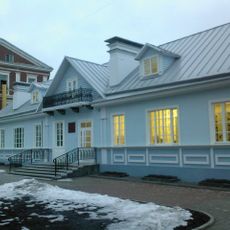
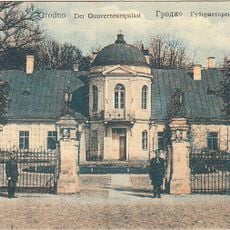
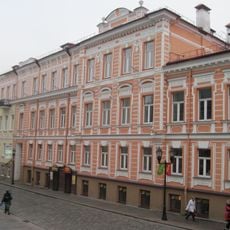
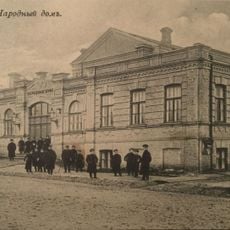
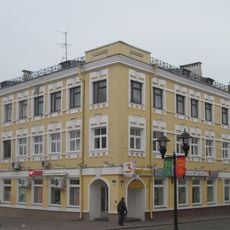
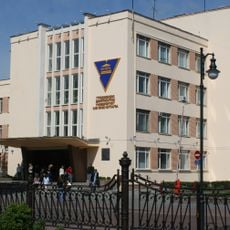
The Vice Administrator's Palace in Hrodna is a three-storey rectangular building in early classicism style, covered by a hipped roof. Its main facade has a shallow central risalit with large pilasters and a rectangular pediment. Inside, the corridor layout remains, and cylindrical vaults with lunettes survive on the ground floor; the interiors have been altered.
Built between 1776 and 1793 as part of the Gorodnitsa district, the palace was designed by Johann Möser for Antoni Tyzenhaus. King Stanisław August Poniatowski gave it to the treasurer Antoni Dziekoński, and in 1797 it passed to the adventurer Michał Walicki. Cossack corps of Matvei Platov were quartered here before the 1812 war, and after the French took the city it housed the French army staff.
The palace's names track its changing owners: it was long called the Dzekonski house, then the Walicki palace after Michał Walicki, who bought it in 1797. From 1849 it served the Orthodox church as the archbishop's residence, and since 2009 it again belongs to the Belarusian Orthodox Church.
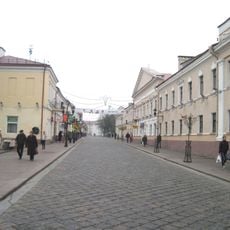
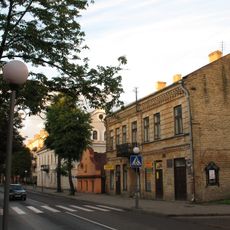
The building stands at the corner of Horkaha Street and the historic Haradnichanskaya Street, near the former Gorodnitsa ensemble. The main three-storey block faces a cour d'honneur with sculptures of Nicholas the Wonderworker and Patriarch Filaret; the right wing was demolished and replaced by St Nicholas Church. The partly restored park surrounds the palace. The complex belongs to the Russian Orthodox Church, so access to the interior may be limited.
On an 1812 French city plan the palace grounds are drawn as fortified, with a redoubt meant to enclose the palace buildings. The site also overlies the former royal residence on Horodnica, the so-called Bona castle, and the old St. Nicholas church is thought to have stood here.
The community of curious travelers
AroundUs brings together thousands of curated places, local tips, and hidden gems, enriched daily by 94,607 contributors worldwide.