Lake Winnipeg, Freshwater lake in Manitoba, Canada
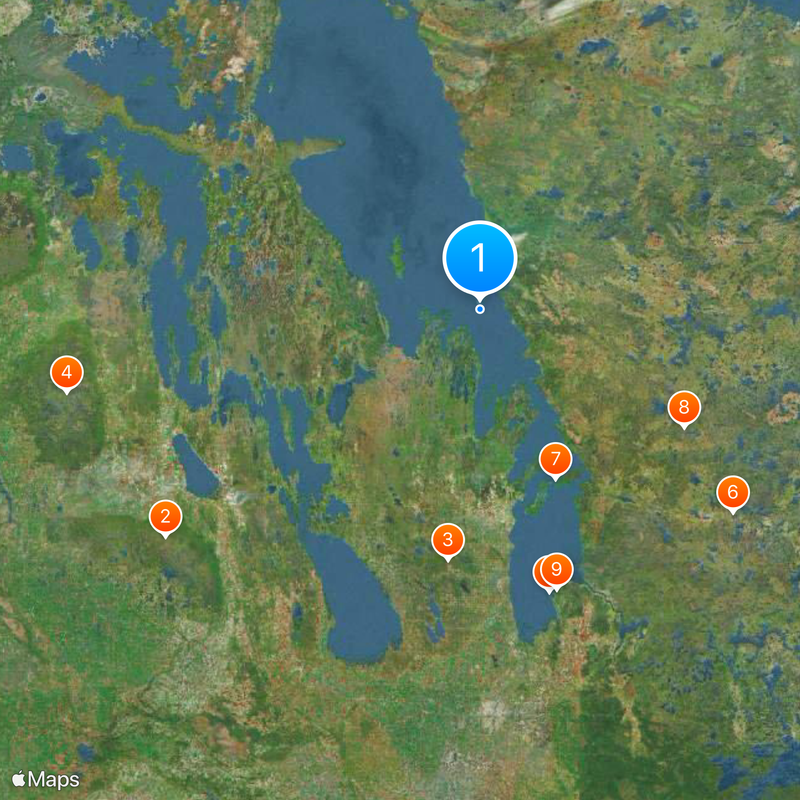
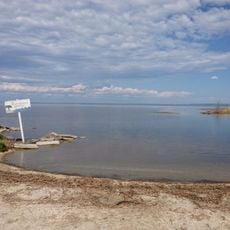
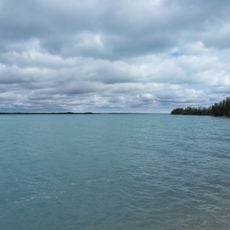
Lake Winnipeg stretches more than four hundred kilometers from north to south and ranks among Canada's largest inland waters. A natural channel divides it into two basins, with the northern one deeper and rougher than the southern one.
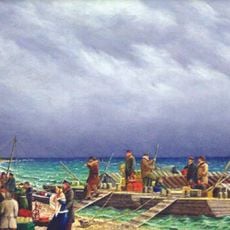
The son of French explorer La Vérendrye documented the water body in the 1730s during his travels into the interior. Over the following centuries, it became an important route for the fur trade between Hudson Bay and the prairies.
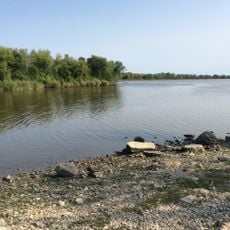
The name comes from the Cree language and means muddy water, a description visitors can still observe under certain wind conditions. Along the shore, fishing communities and small settlements continue to rely on the water for their livelihood and have used it as a travel route for centuries.
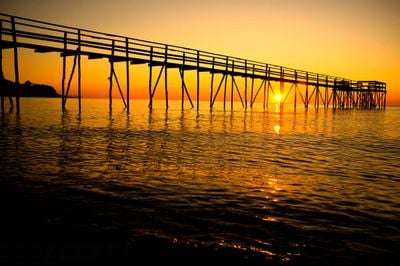
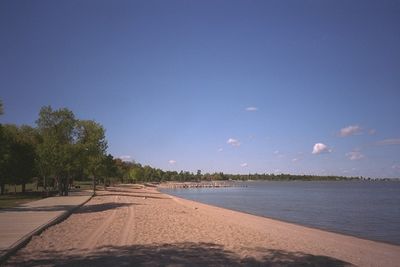
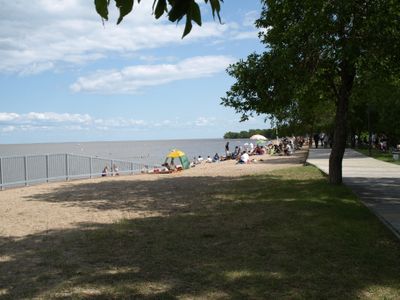
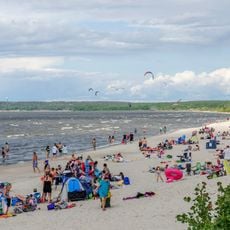
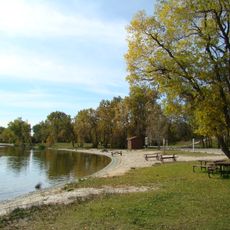
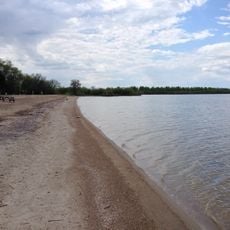
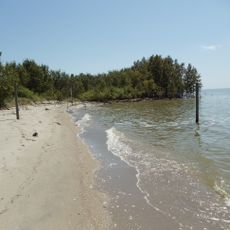
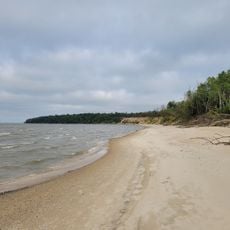
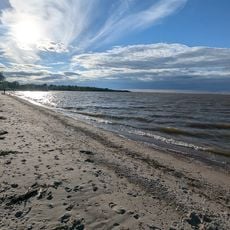
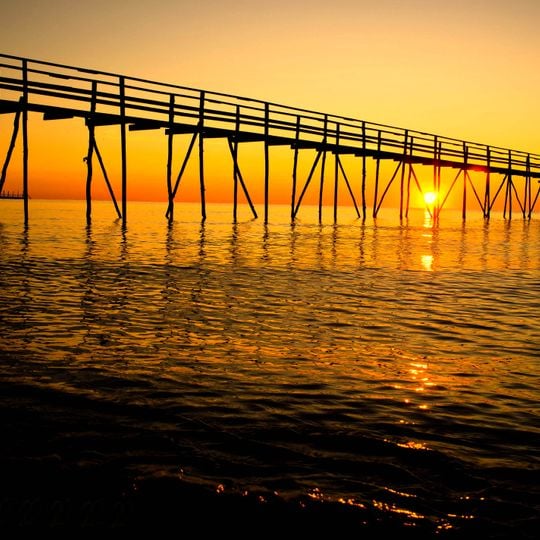
The southern region offers beaches and recreation areas reachable in about an hour from Winnipeg. Farther north, the water becomes rougher and infrastructure thins out, so visitors should prepare for different conditions.
The northern basin is both larger in area and deeper than the southern one, whose mean depth is about 9 metres. The two are joined by a narrow channel between them. The lake holds 284 cubic kilometres of water, and its water is fully replaced every three to five years, faster than in most large lakes.
The community of curious travelers
AroundUs brings together thousands of curated places, local tips, and hidden gems, enriched daily by 92,661 contributors worldwide.