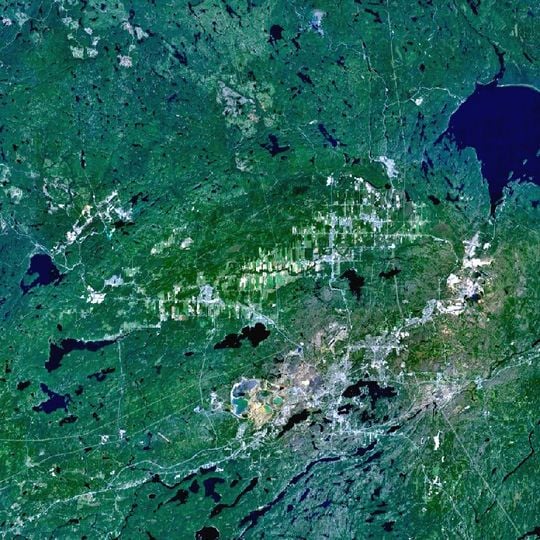
Sudbury Basin, Impact crater in Ontario, Canada
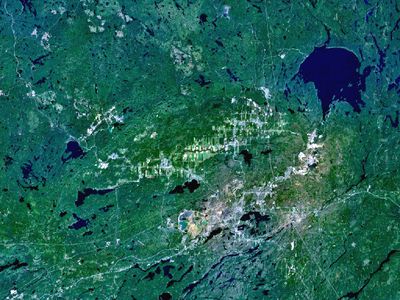
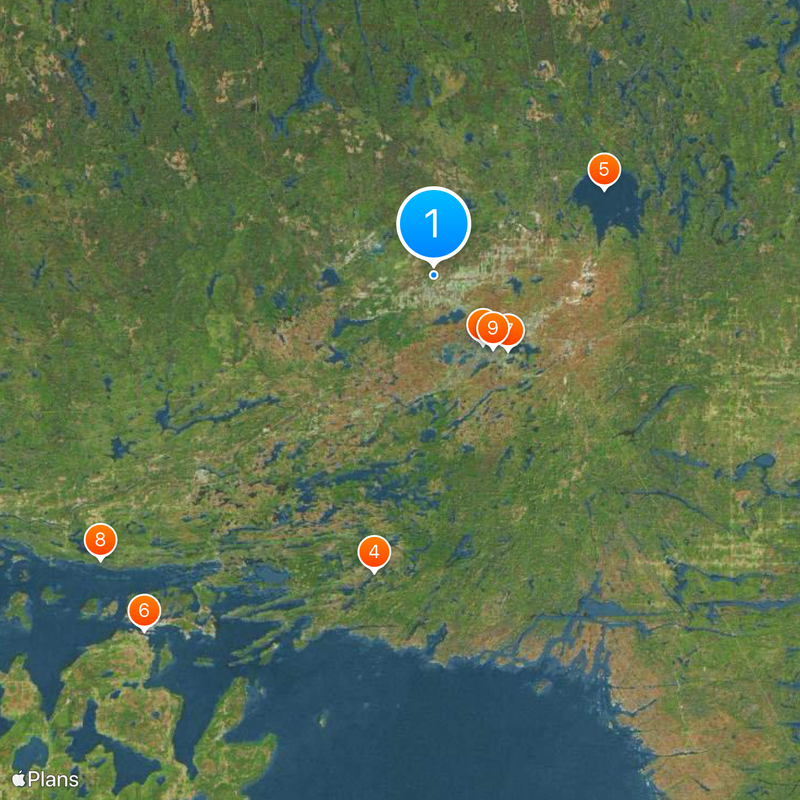
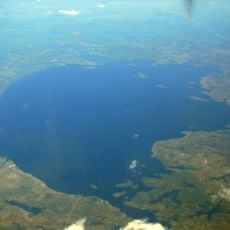
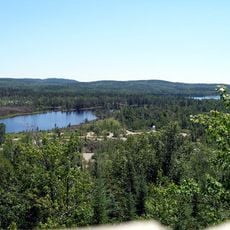
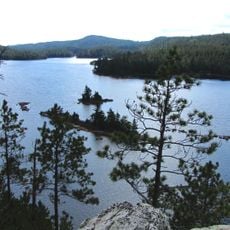
Sudbury Basin is an impact crater in Ontario, Canada, spanning roughly 62 kilometers and holding large amounts of nickel, copper, and platinum metals within its rock formations. The crater sits northwest of the city of Sudbury and forms a clearly visible oval depression crossed by forested hills and numerous lakes.
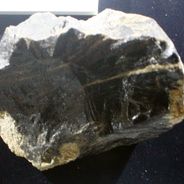
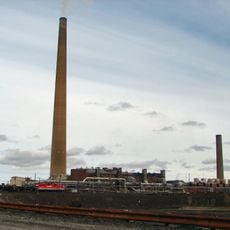
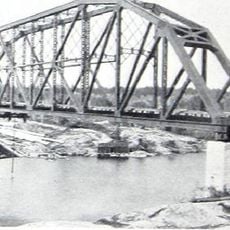
A massive comet struck Earth 1.85 billion years ago, leaving behind one of the largest known impact structures worldwide. Mining operations began in the late 19th century after railway workers discovered metal-bearing rock while building the transcontinental line.
The name comes from the town of Sudbury in northern England, where early settlers originated, while the circular shape remains visible in the landscape to this day. Locals use the lakes and forests within the impact zone for fishing, hiking, and other outdoor activities that have taken place here for generations.
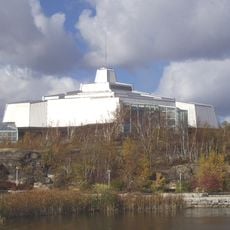
Several educational centers in the area offer programs and guided tours where visitors can learn about the geological formations and mining sites. Routes pass through different parts of the impact zone and are generally accessible during summer and early autumn.
NASA chose this region to train Apollo 16 astronauts for working on the lunar surface, as the rock formations resembled structures scientists expected to find there. Scientists and researchers continue to train here today for space missions and experiments in extreme geological conditions.
The community of curious travelers
AroundUs brings together thousands of curated places, local tips, and hidden gems, enriched daily by 90,753 contributors worldwide.