Wapusk National Park, National park in Manitoba, Canada
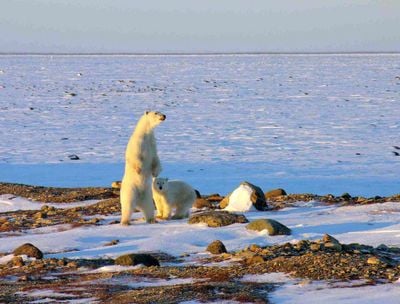
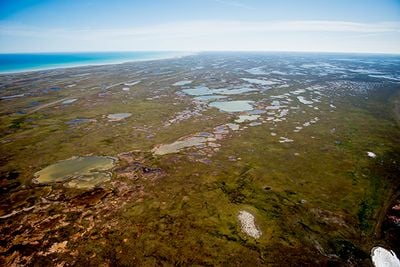
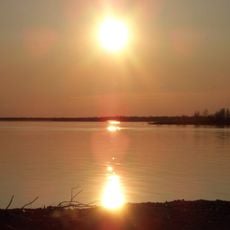
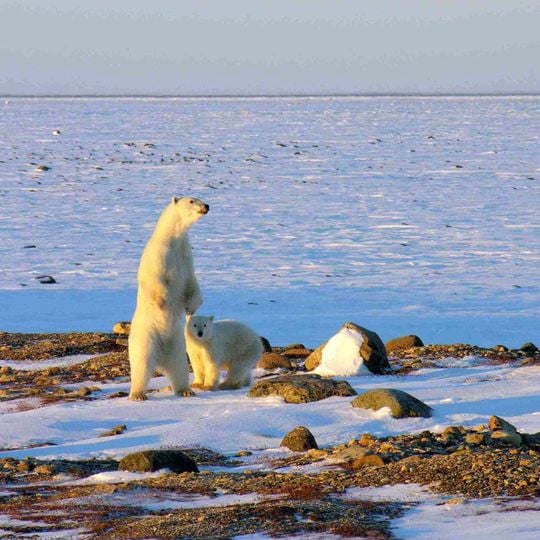
Wapusk National Park covers 11,475 square kilometres of tundra, boreal forest and coastal marsh along Hudson Bay, about 45 kilometres south of Churchill. Its flat limestone plain, raised by post-glacial rebound, holds peat bogs up to four metres deep where polar bears dig maternity dens. The park also protects Cape Churchill, a viewing point for wild polar bears.
The Canadian government established this protected area in 1996 following consultations with provincial authorities and local communities. The designation recognized the need to safeguard this critical Arctic habitat and its wildlife.
The name Wapusk comes from the Cree language and means polar bear, reflecting the deep connection Indigenous peoples maintained with this land. The landscape still carries traces of traditional hunting routes and gathering places that shaped life here for thousands of years.
Getting there requires planning since the park has no direct road access and sits in a remote location far from major communities. Churchill to the north serves as the main gateway where visitors arrange their entry into the park.
More than half of the park is covered by peat bog up to four metres thick, and pregnant females dig their maternity dens into this peat, emerging with cubs each March. The park was also the subject of a short film in the 2011 National Parks Project, directed by Hubert Davis and scored by Kathleen Edwards, Matt Mays and Sam Roberts.
The community of curious travelers
AroundUs brings together thousands of curated places, local tips, and hidden gems, enriched daily by 93,786 contributors worldwide.