John P. Robarts Library, Research library at University of Toronto St. George Campus, Canada
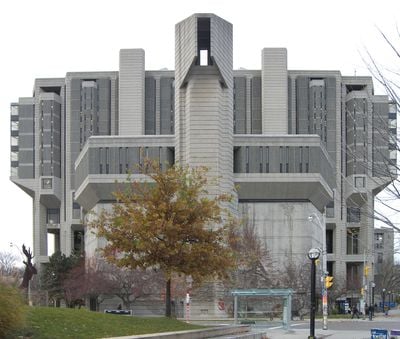
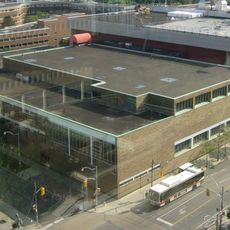
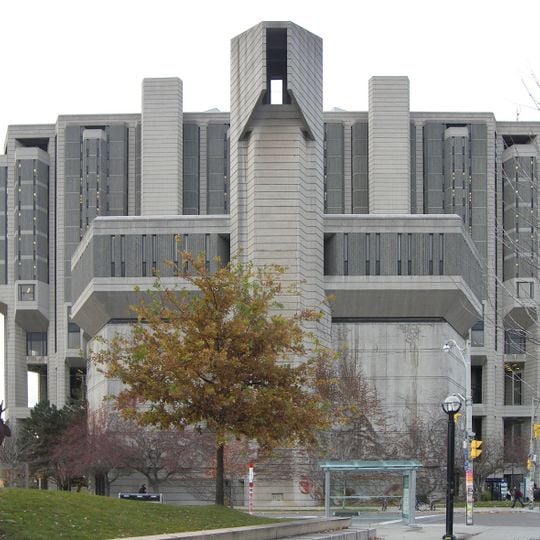
John P. Robarts Library is a research library building at the University of Toronto St. George Campus in Canada, recognized for its brutalist concrete design. The tower houses multiple specialized departments across different floors, including sections for East Asian collections, government documents, and digital media, all accessible to students and researchers.
The building opened in 1973 and was at that time the largest academic library building worldwide with space for over four million volumes. The massive concrete construction arose in a period when the university needed to expand its research holdings significantly to meet the demands of a growing student body and research programs.
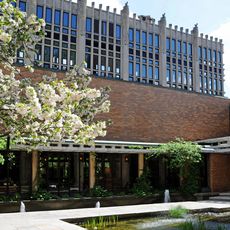
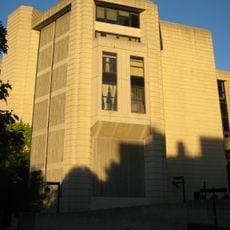
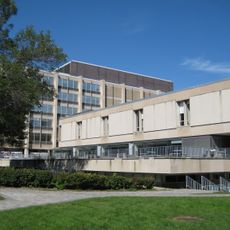
The tower stands as a campus landmark and is often described by its triangular concrete form that rises over the university grounds. The building bears the name of a former premier of Ontario and represents the architectural ambition of the early 1970s, when concrete and geometric shapes dominated public construction.
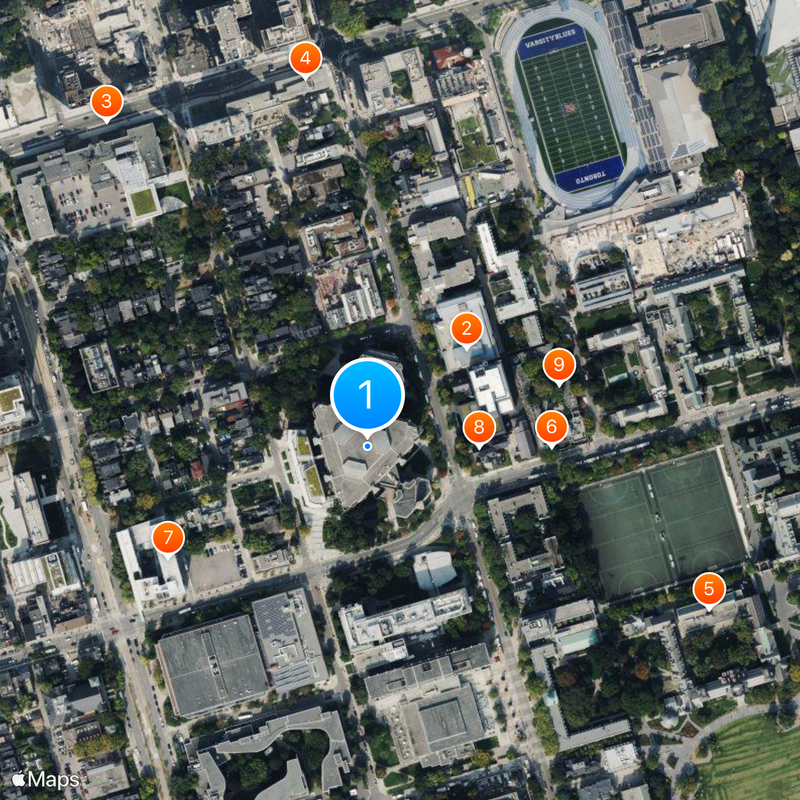
Visitors can enter through the main entrances on St. George Street and navigate multiple floors with different collections. The upper levels provide study areas and reading rooms with windows that let in daylight, while the lower sections contain compact book stacks and specialized research spaces.
The building served as a filming location in several movie productions, including Resident Evil: Afterlife as a prison complex and in an episode of the television series Friends as a hospital. The striking concrete architecture attracts not only students but also film crews looking for futuristic or imposing spaces.
The community of curious travelers
AroundUs brings together thousands of curated places, local tips, and hidden gems, enriched daily by 91,989 contributors worldwide.