See the monuments around you in AROpen chests in the app
Around Us is built for your phone — point your camera at the streets and discover the monuments and places around you in augmented reality.Around Us is built for your phone — chests unlock when you walk, explore and capture nearby places.
Brutalist architecture buildings : examples around the world
Brutalist architecture emerged in the decades following World War II, producing buildings that challenged conventional design through their honest expression of materials and function. From Le Corbusier's Unité d'Habitation in Marseille to Louis Kahn's National Assembly in Dhaka, these structures define a global movement that prioritized raw concrete, bold geometric forms and exposed construction elements. The style reached across continents, shaping university libraries in Chicago, government buildings in Boston and Chandigarh, residential towers in London, and cultural centers in São Paulo. Each building reflects the architectural philosophy of its time, when architects sought to create functional spaces through direct expression of structure and material.
This collection documents examples from Europe, Asia, North and South America, representing the full range of building types that defined the movement. You'll find administrative complexes that house parliaments and municipal offices, educational facilities serving major universities, residential towers providing urban housing, and cultural institutions including museums and theaters. The structures share common characteristics—concrete left exposed to show its texture and formwork patterns, geometric compositions that emphasize mass and volume, and architectural elements that reveal rather than conceal how buildings stand and function. These sites offer insight into a period when architects reimagined how modern cities could be built and how public spaces could serve their communities.
Brutalist architecture buildings : examples around the world
Brutalist architecture emerged in the decades following World War II, producing buildings that challenged conventional design through their honest expression of materials and function. From Le Corbusier's Unité d'Habitation in Marseille to Louis Kahn's National Assembly in Dhaka, these structures define a global movement that prioritized raw concrete, bold geometric forms and exposed construction elements. The style reached across continents, shaping university libraries in Chicago, government buildings in Boston and Chandigarh, residential towers in London, and cultural centers in São Paulo. Each building reflects the architectural philosophy of its time, when architects sought to create functional spaces through direct expression of structure and material.
This collection documents examples from Europe, Asia, North and South America, representing the full range of building types that defined the movement. You'll find administrative complexes that house parliaments and municipal offices, educational facilities serving major universities, residential towers providing urban housing, and cultural institutions including museums and theaters. The structures share common characteristics—concrete left exposed to show its texture and formwork patterns, geometric compositions that emphasize mass and volume, and architectural elements that reveal rather than conceal how buildings stand and function. These sites offer insight into a period when architects reimagined how modern cities could be built and how public spaces could serve their communities.
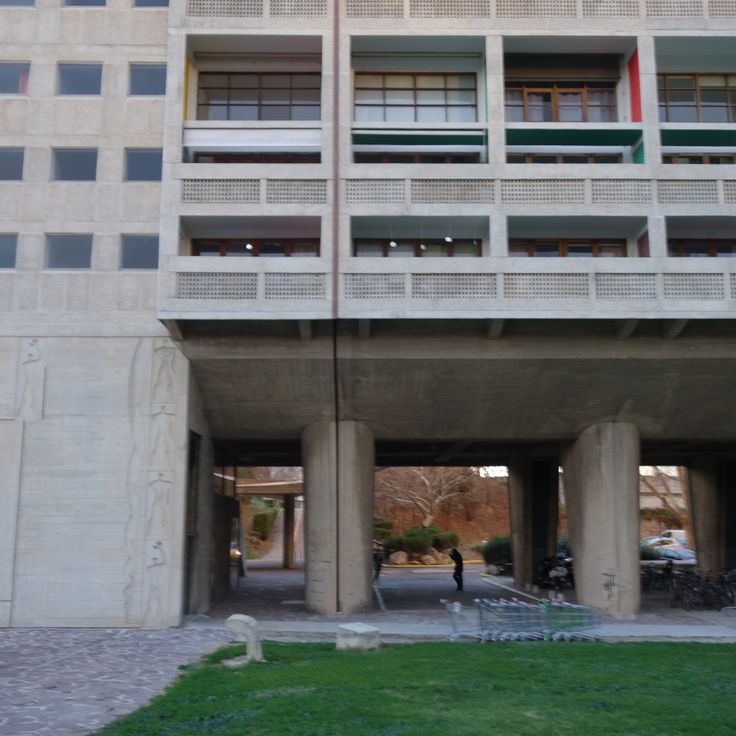
The Unité d'Habitation stands as one of the most influential residential buildings of Brutalism, constructed between 1947 and 1952 according to Le Corbusier's vision of a vertical city. This concrete structure houses 337 apartments across 12 floors, complemented by shops, a rooftop terrace with kindergarten and communal facilities. The building exemplifies the defining characteristics of Brutalist architecture from the postwar decades, with its raw concrete surfaces, geometric forms and exposed structural elements. The concept integrates living spaces, retail areas and social functions within a single structure.
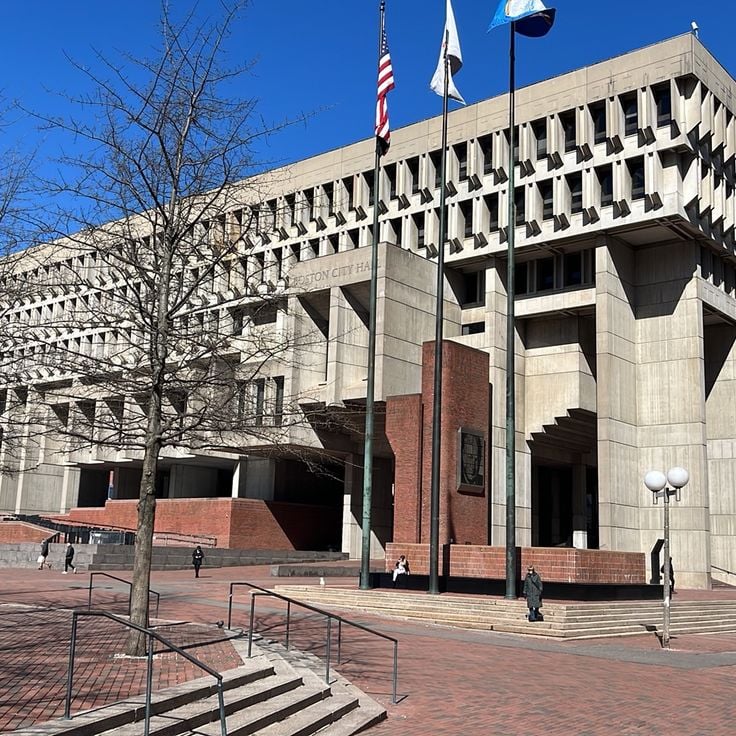
This administrative building from 1968 demonstrates the defining characteristics of brutalism through its geometric concrete forms and inverted pyramid structure. The exposed construction elements emphasize the architectural philosophy of visible structure and material honesty. Boston City Hall was designed by Kallmann McKinnell & Knowles and houses municipal government offices across multiple levels, with the massive concrete facades reflecting the functional spaces within.
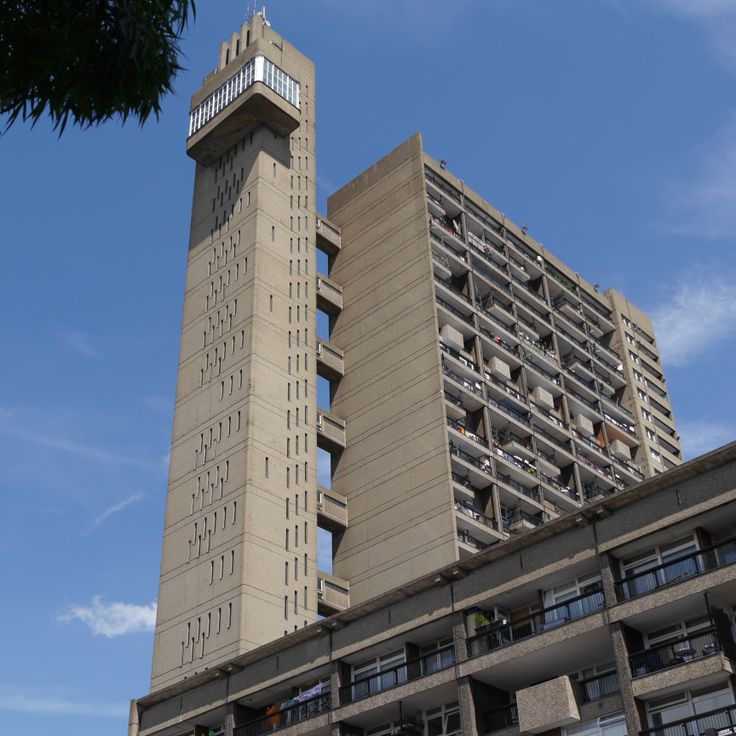
This residential tower completed in 1972 stands as a prominent example of brutalist architecture from the postwar period in London. Trellick Tower rises 31 stories and displays the characteristic features of the movement, with exposed concrete surfaces and pronounced geometric form. The separate elevator shaft connects to the main building through access bridges, a structural solution that emphasizes the building's exposed elements. Designed by architect Ernő Goldfinger, the structure contains 217 residential units. The raw concrete surfaces and expressive form follow the principles of brutalism, which combined functional honesty with monumental presence.
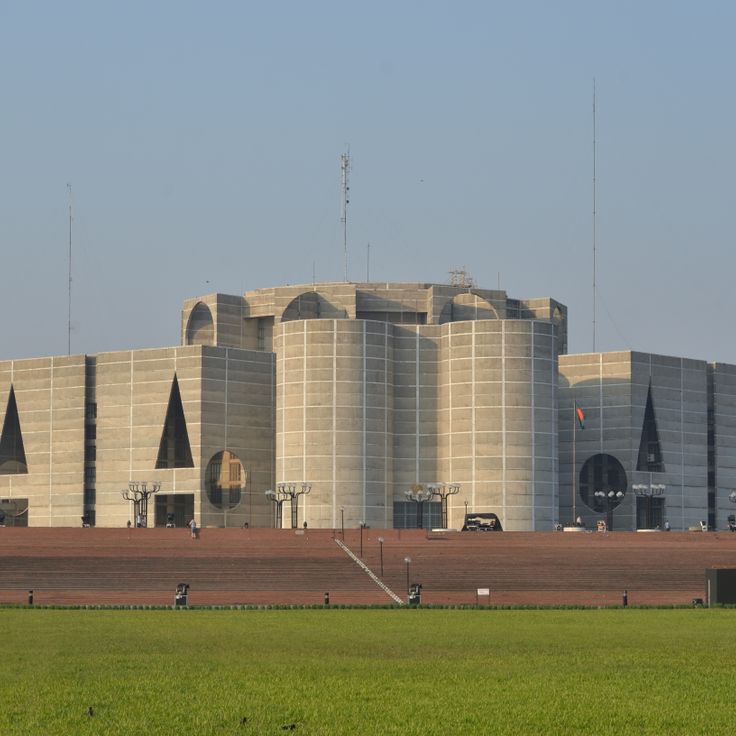
The National Assembly Building serves as the seat of Bangladesh's parliament and represents Louis Kahn's major work, constructed between 1961 and 1982. The complex encompasses the parliament itself, a mosque, and ministerial housing across over 500 acres. The structure features massive geometric concrete forms including circular, triangular, and rectangular openings that cut through the multi-story walls. An elaborate system of artificial water bodies surrounds the buildings, contributing to natural cooling and light reflection. The use of exposed concrete, the clear separation of functional areas, and the integration of Islamic design principles make this building a significant example of Brutalist architecture in South Asia.
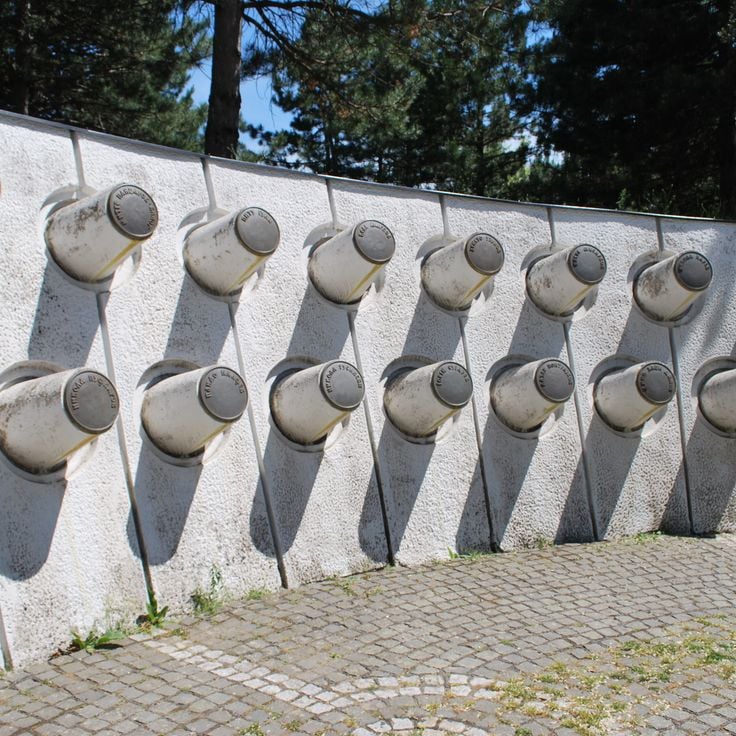
This concrete structure was completed in 1974 to commemorate the Macedonian independence movement. Makedonium displays the defining characteristics of Brutalist architecture through its sculptural form and exposed concrete surfaces. The dome houses a museum documenting the history of the Ilinden Uprising of 1903, when Macedonian revolutionaries fought against Ottoman rule. The geometric structure stands on a hill above Kruševo and serves as a national symbol of North Macedonia. Its raw concrete construction and bold angular design represent the architectural trends of Eastern European monuments from this period.
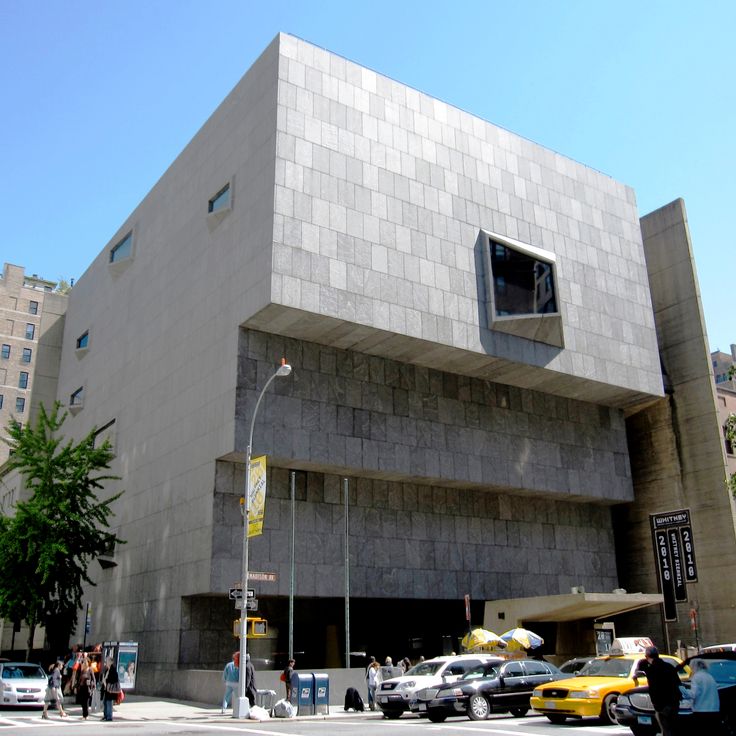
This concrete museum building opened in 1966 and demonstrates the characteristic geometric forms of Brutalist architecture. Marcel Breuer designed the structure with its distinctive facade of stepped, projecting concrete elements that create a sculptural quality. The construction was originally built for the Whitney Museum of American Art and later served the Metropolitan Museum of Art as exhibition space. The building stands as an example of exposed concrete use and angular geometric compositions that Breuer developed during the 1960s. The inverted ziggurat form shapes its appearance on Madison Avenue and represents the period when cultural institutions adopted raw concrete construction methods.
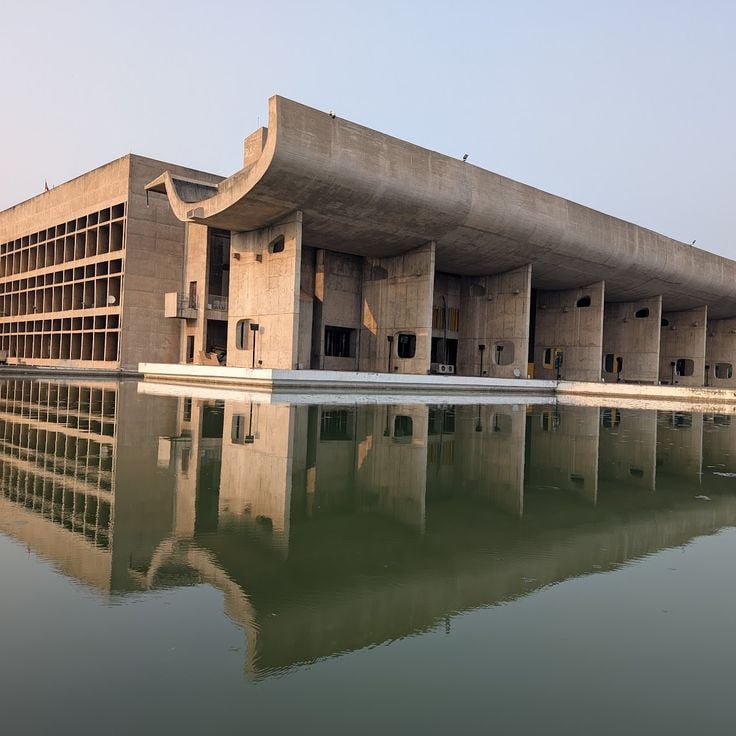
This government seat in Chandigarh was completed in 1963 and houses the Parliament of Punjab and Haryana. The concrete construction displays geometric forms and extended lines characteristic of brutalist architecture from the 1950s through 1970s. The building employs raw concrete surfaces and exposed structural elements. The Palace of Assembly forms part of the administrative complex in Chandigarh, belonging to a collection of brutalist structures from multiple continents that includes administrative centers, universities, churches, theaters and residential complexes from this period.
This skyscraper was completed in 1960 and rises 417 feet (127 meters) in Milan. The structure was designed by Gio Ponti and Pier Luigi Nervi as the headquarters for tire manufacturer Pirelli. The facade combines glass and concrete with vertical lines that emphasize the building's slender profile. The Pirelli Tower represents one of the early examples of modern high-rise construction in Europe and demonstrates the structural efficiency of postwar architecture with exposed concrete elements. The building now houses regional administrative offices and represents an important chapter in Italian architectural history within this collection of concrete buildings from the period.
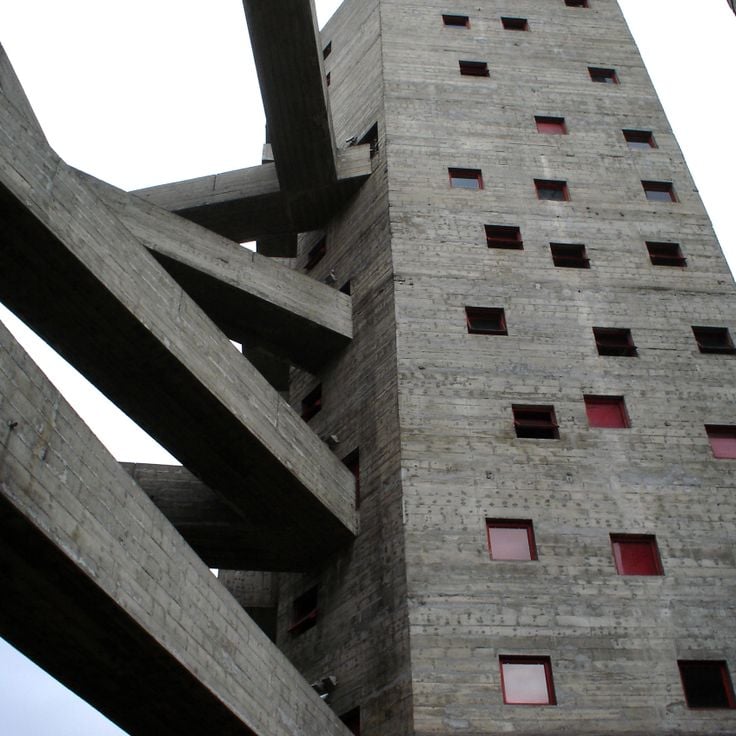
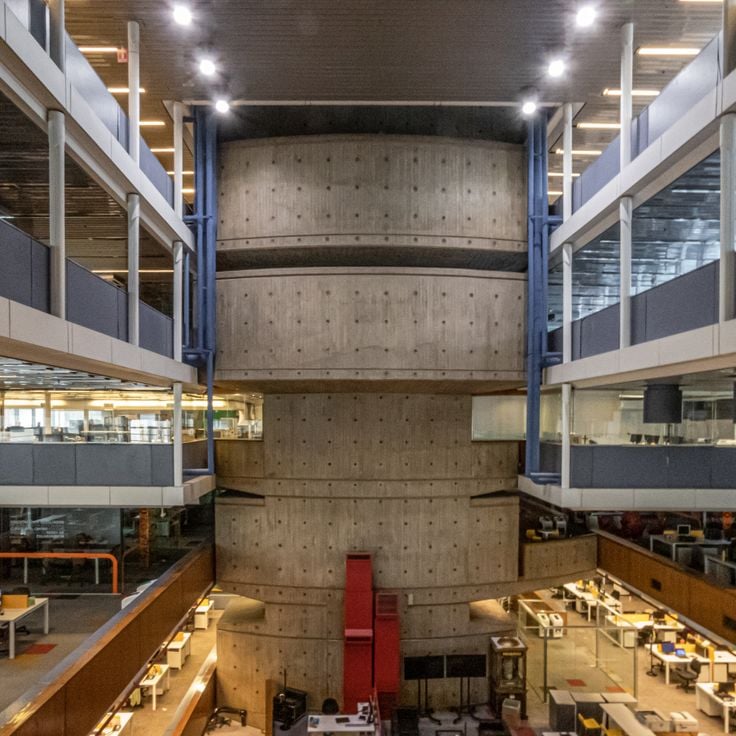
SESC Pompéia emerged in 1982 from the conversion of a factory into a leisure center, adding to the repertoire of Brutalist architecture in South America. Architect Lina Bo Bardi designed concrete towers with distinctive circular openings that connect to the brick walls of the original factory buildings. The complex includes sports facilities within the concrete towers, water pools for public use and a theater accommodating 800 seats. The raw concrete surfaces and geometric forms align with Brutalist design principles, while the incorporation of historic structures demonstrates Bo Bardi's practical approach to urban renewal.
This library was built in 1970 for the University of Chicago and combines seven floors in a structure of limestone and exposed concrete. The building displays the typical features of early 1970s brutalist architecture, including exposed structural elements and geometric forms. Regenstein Library serves as the university's main research library and houses several million volumes. The raw concrete facade and clear division of floors emphasize the functional orientation of the structure, which has become an important campus landmark.
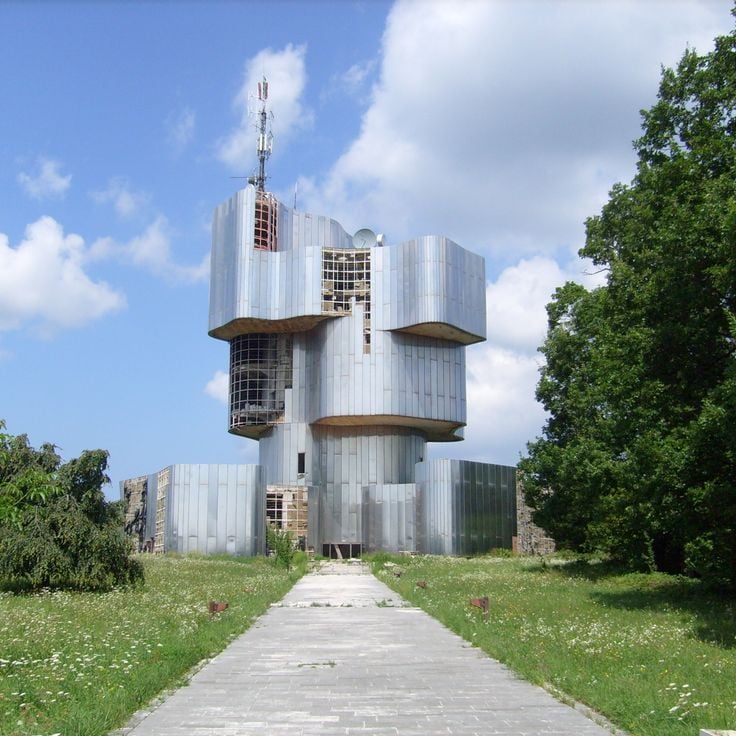
This memorial on Petrova Gora mountain rises 37 meters (121 feet) and consists of stainless steel construction completed in 1981. The structure exemplifies the geometric forms and exposed structural elements characteristic of this brutalist architecture collection. The monument occupies a historically significant mountain site and represents the architectural principles of late brutalism through its sculptural concrete forms and expressive use of industrial materials. The building stands as an administrative and commemorative center featuring the raw surfaces and bold shapes typical of structures from the 1950s through 1970s brutalist movement.
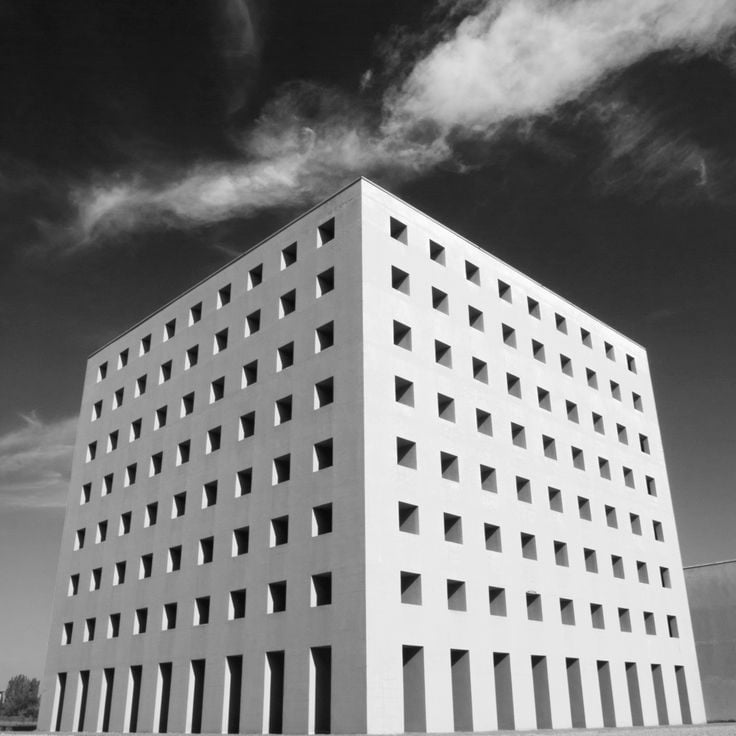
This cubic cemetery complex in Modena was designed in 1971 and stands as an important example of brutalist architecture in Italy. San Cataldo displays the characteristic features of this movement through its central courtyard and repetitive window elements without glass. The raw concrete surfaces and geometric forms follow the functional approach of the period, while the open structure with unglazed openings creates a particular quality between monumentality and impermanence. The cemetery represents the brutalist approach to sacred and commemorative buildings of the 1970s.
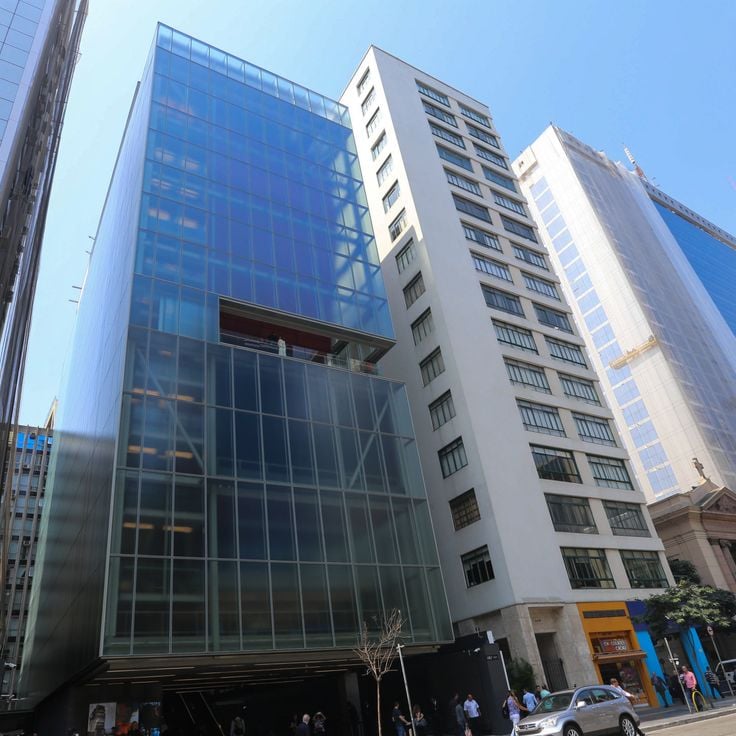
This museum stands as an example of brutalist architecture in Brazil, completed in 1963. The Paulista Museum presents raw concrete in its facade with distinct geometric forms characteristic of the movement. The structure houses collections of Brazilian history and demonstrates the functional aesthetic of the period. The exposed concrete surfaces and straightforward geometric language follow brutalist principles that shaped public and cultural buildings worldwide between the 1950s and 1970s. The museum combines the architectural identity of this era with its role as an exhibition space for historical artifacts and documents.
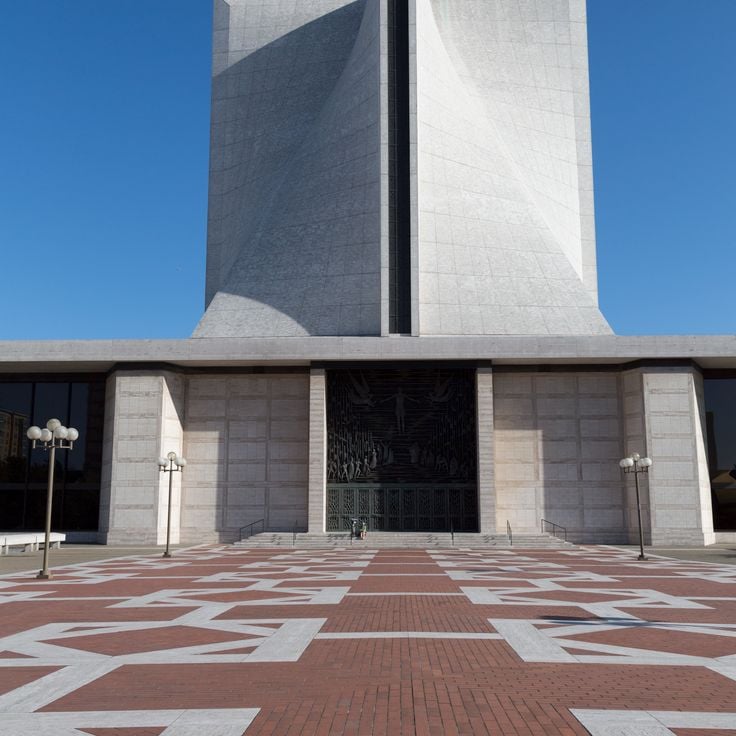
This cathedral in San Francisco was completed in 1971 and represents the brutalist architecture of the era with its exposed concrete construction. The building features a square base from which an elevated central cross rises. The geometric window elements create light effects within the interior spaces. The raw concrete surfaces and the sculptural form of the structure demonstrate the characteristic features of brutalist ecclesiastical buildings from the 1970s. The cathedral serves as the episcopal seat of the Archdiocese of San Francisco and shows the application of brutalist design principles to religious architecture in the United States.
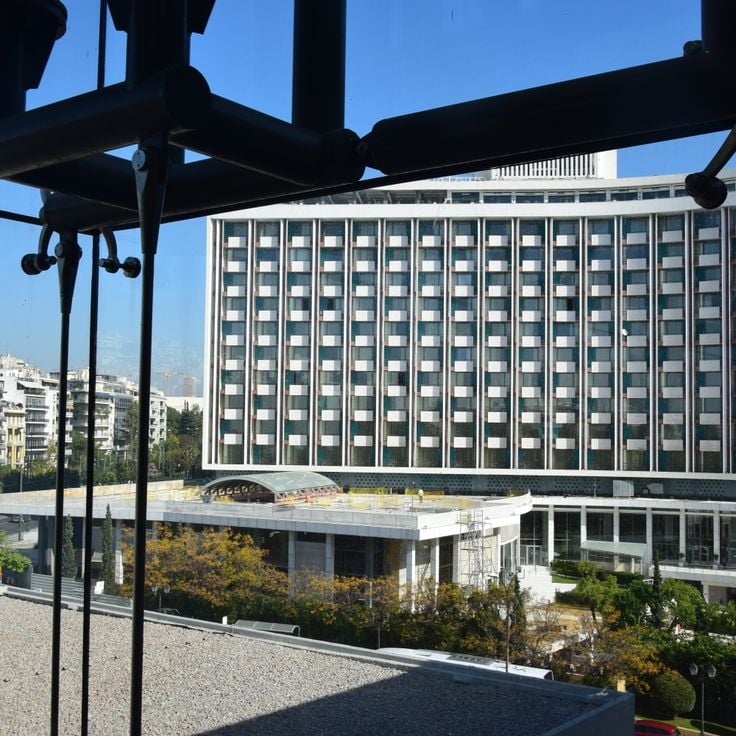
This hotel occupies a renovated brutalist structure from the 1970s featuring horizontal window bands and exposed column systems on the ground floor. The raw concrete facades and geometric lines represent characteristic elements of brutalist architecture from that period. Originally built as an administrative building, Hotel Marcel was later converted into a hotel while preserving its distinctive structural features. The horizontal concrete slabs and expressive skeletal framework make this building a representative example of the brutalist movement along the American East Coast.
The Prince Kuhio Federal Building dates from the 1970s and displays vertical concrete slats across its facade with a central entrance featuring a colonnade. This administrative facility belongs to a collection of structures built between the 1950s and 1970s that use raw concrete surfaces, geometric shapes and exposed structural elements. The building follows the principles of brutalist design, combining functional purpose with bold architectural form.
This extension to the National Gallery demonstrates how the brutalist principles featured in the collection manifested in Athens' cultural landscape during the 1970s. Completed in 1976, the concrete structure organizes the modern Greek art collection across three exhibition floors. The geometric forms and open spaces follow typical design principles of the era with exposed concrete surfaces and clean lines. The building stands as an example of the functional architecture of those decades, when public cultural institutions frequently employed these robust structural elements.
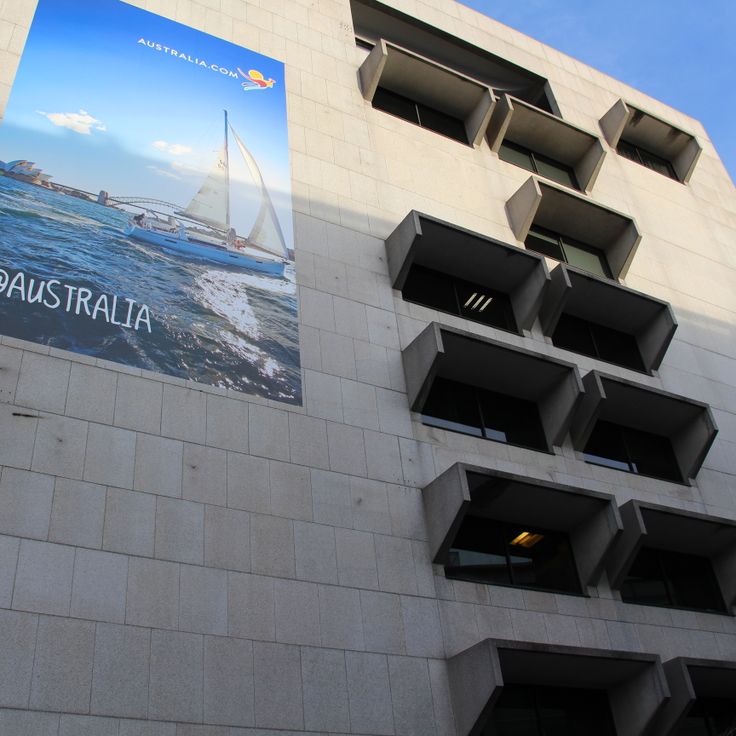
This 1977 embassy building by Harry Seidler demonstrates brutalist principles through prominent horizontal concrete elements and a floating entrance construction. The structure showcases the movement's signature raw concrete aesthetic with clear geometric lines and exposed structural components. The architecture combines Australian design approaches with European brutalism's strict functionalism, creating an uncompromising presence in the Parisian cityscape. The embassy demonstrates Seidler's mastery of concrete forming and stands as a significant example of diplomatic architecture from the Seventies, representing the international reach of brutalist design during its peak period.
This bank building completed in 1966 demonstrates the defining characteristics of this collection's brutalist architecture through its use of exposed concrete and geometric patterns. The Bank of London and South America presents a facade with visible structural elements that embody the style's principle of honest material expression. The building documents the spread of brutalism across South America during the 1960s and represents the administrative structures that formed part of this international architectural movement.
This administrative building in Goshen opened in 1971 and presents a complex arrangement of concrete blocks with offset levels and rectangular windows, characteristic of postwar brutalist design. The Orange County Government Center illustrates the functional approach of this architectural movement, with exposed structural elements and raw concrete surfaces typical of public buildings from the era.
This hospital demonstrates Goldberg's distinctive architectural approach with its seven stacked concrete cylinders resting on a low rectangular base. Bertrand Goldberg designed the building completed in 1975 with narrow vertical window slits that emphasize the rounded forms of the structure. The raw concrete surfaces and geometric composition embody the brutalist principles of the era. Despite preservation efforts, Prentice Women's Hospital was demolished in 2013.
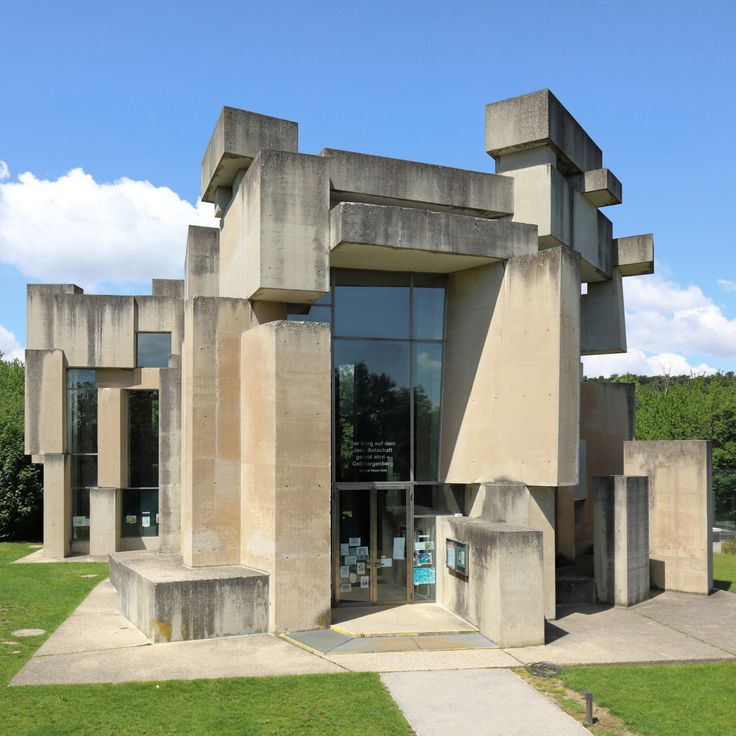
This church was built between 1974 and 1976 following designs by sculptor Fritz Wotruba, who completed the plans shortly before his death. The Wotruba Church comprises 152 irregularly arranged concrete blocks weighing between 1 and 141 tons (0.9 and 128 metric tons). The blocks form a tower reaching 45 feet (13.6 meters) in height and create natural openings for daylight through their placement. This brutalist structure on Georgenberg hill rises above southwestern Vienna and incorporates religious architecture into a sculptural form of raw concrete.
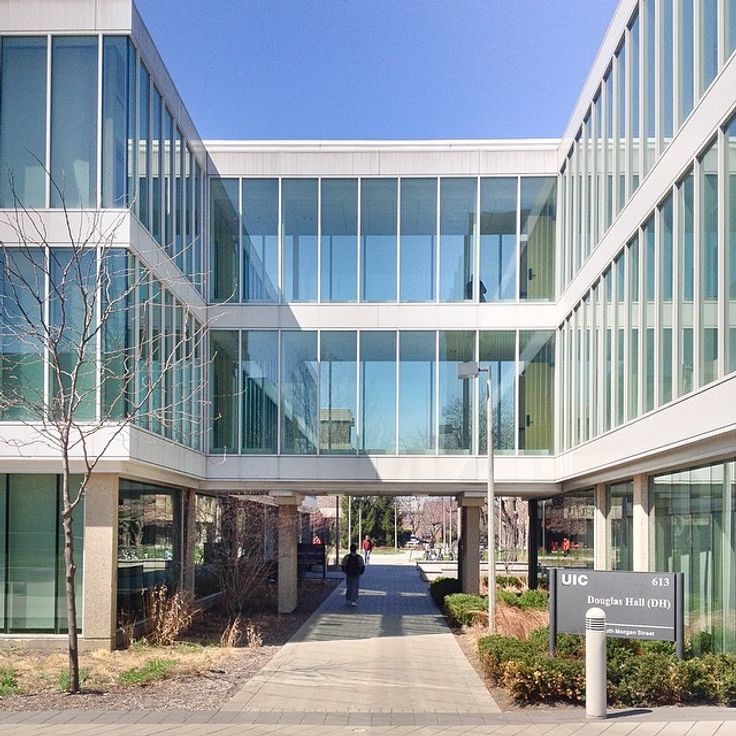
This student residence at the University of Illinois at Chicago was constructed in 1965 as part of the campus brutalist development. The building displays characteristic geometric concrete forms and provides accommodation for 1600 students. The structure represents an early example of brutalist residential architecture in American university settings and documents the building philosophy of the 1960s with its emphasis on function and raw materials.
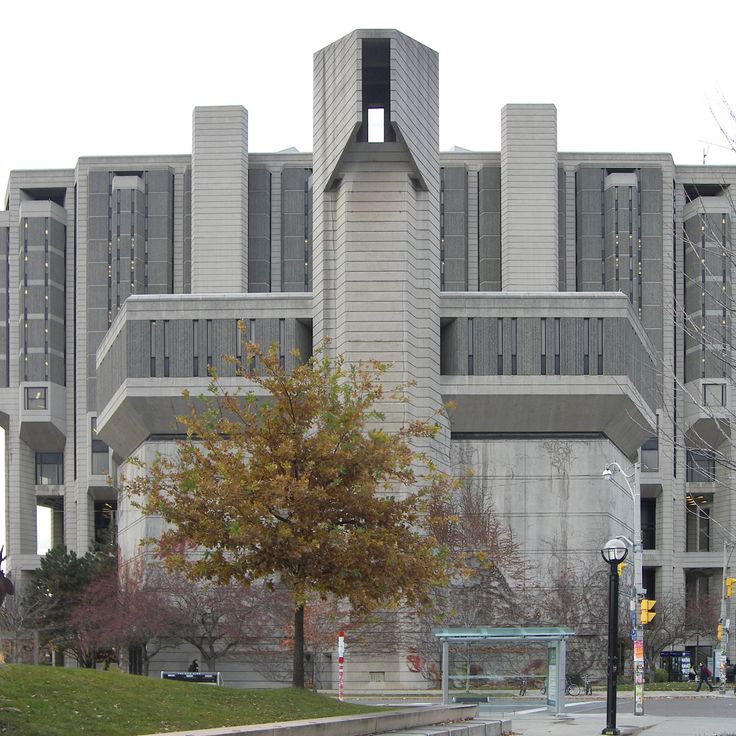
The Robarts Library university building opened in 1973 and displays the triangular form and raised concrete walls characteristic of brutalist architecture from that decade. This library houses over 4.5 million books and exemplifies the raw concrete surfaces, geometric shapes and exposed structural elements found throughout this collection of brutalist buildings. The massive structure serves the University of Toronto and represents the functional aesthetic of mid-century institutional design executed in bare concrete with fortress-like elevations that define the brutalist movement.
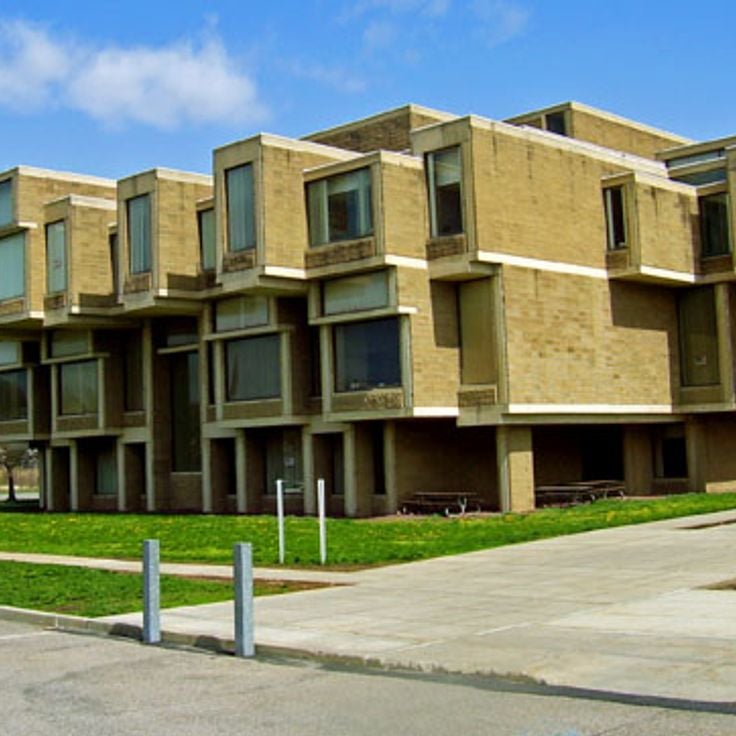
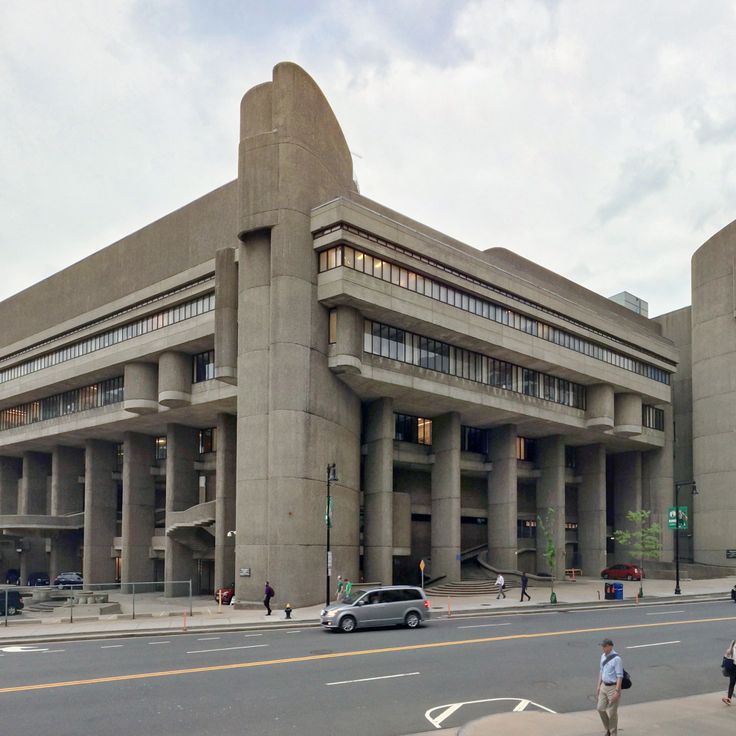
This Boston administrative building was designed by Paul Rudolph in 1971 and exemplifies brutalist principles through nine floors of exposed concrete. The complex houses offices for various state agencies and organizes around an interior courtyard that serves as the central circulation space. Rudolph's design employs geometric forms and raw concrete surfaces characteristic of the era's construction approach. The Government Service Center demonstrates the functional approach to public buildings during the 1970s, when material honesty and structural clarity were priorities in architectural practice.
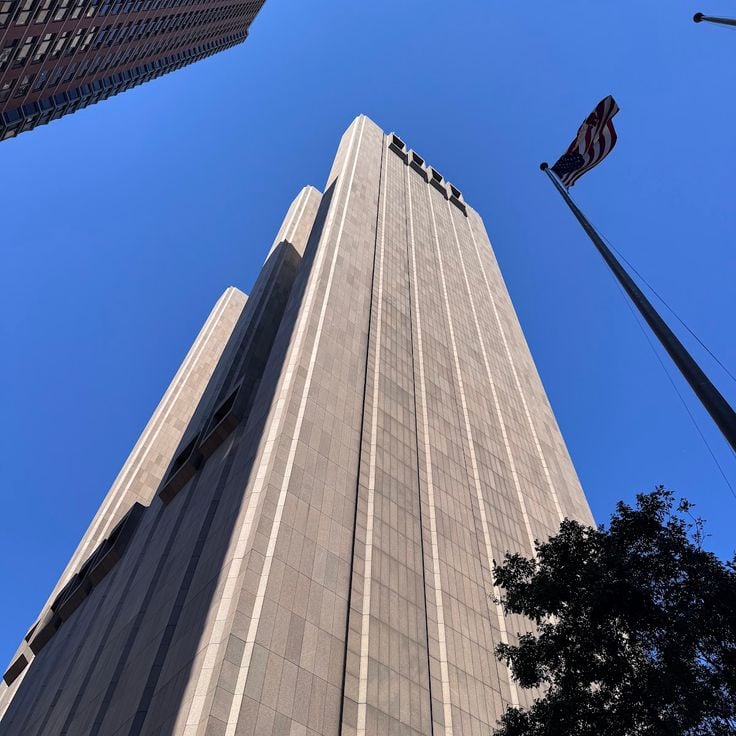
This building serves as a telecommunications infrastructure hub and represents a characteristic example of Brutalist architecture in Manhattan. The 167-meter (548-foot) tower from 1974 consists of windowless concrete with prominent vertical columns. The AT&T Long Lines Building was designed to house switching equipment, which explains why the massive structure requires no natural light. The exposed concrete surfaces and geometric articulation of the facade follow the design principles of this architectural movement from the 1950s through 1970s.
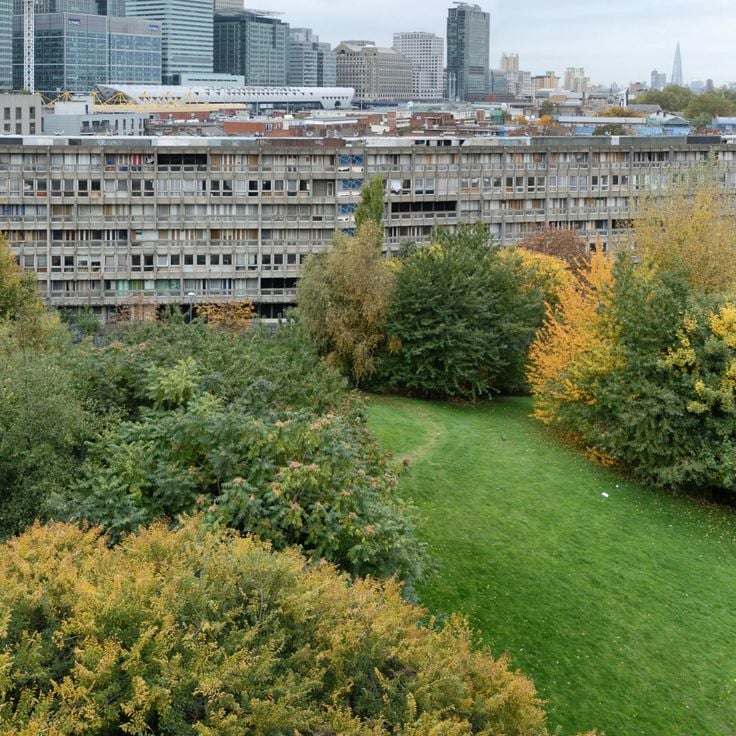
This residential complex, whose two concrete blocks housed 213 apartments between 1966 and 1972, exemplifies brutalist architecture with raw concrete surfaces and geometric forms in London. Designed by Alison and Peter Smithson, Robin Hood Gardens incorporated the central green space between the two parallel structures. The streets-in-the-sky access system and exposed structural elements demonstrate typical features of these buildings from the 1950s through 1970s, before the western block was demolished in 2017 and the eastern in 2019.
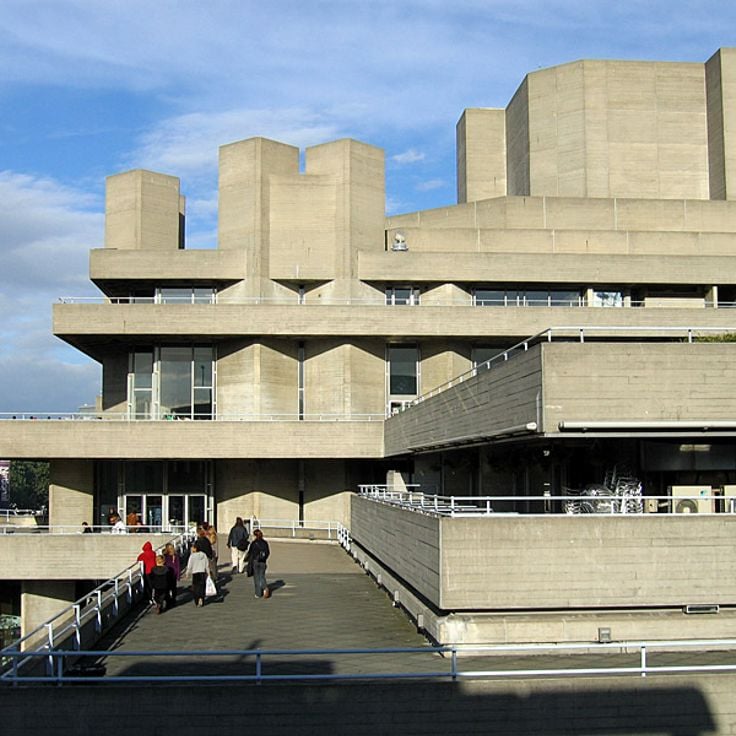
The Royal National Theatre opened in 1976 and consists of exposed concrete construction throughout. The complex contains three theater halls of varying capacity, workshops for set and costume production, several restaurants and public terraces overlooking the Thames. Massive geometric forms and horizontal concrete layers characterize the building's brutalist design. Architect Denys Lasdun conceived the theater as an open structure welcoming both theatergoers and passersby. The exposed concrete surfaces and terraced arrangement of volumes define the river's South Bank skyline.
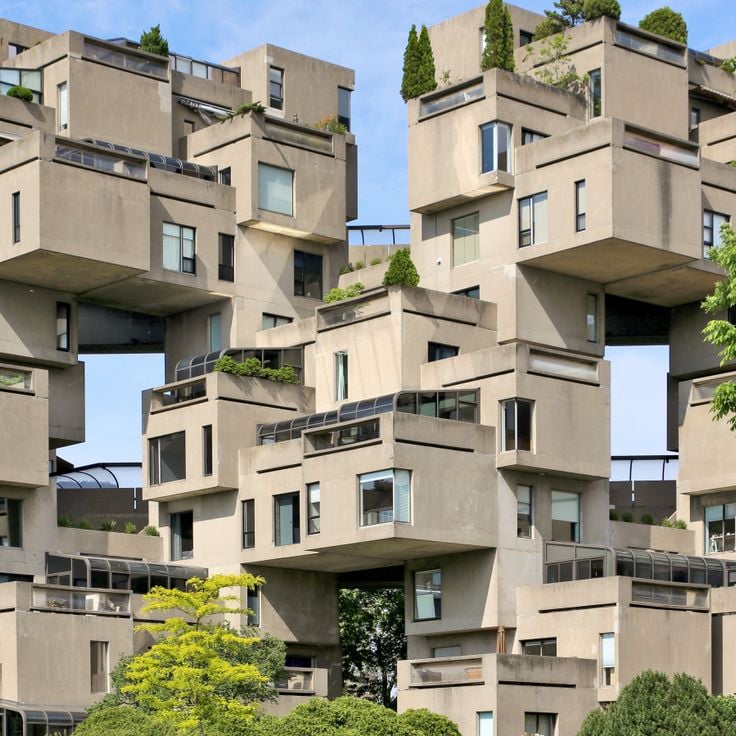
Habitat 67 is a residential complex in Montreal built in 1967 as an experiment in urban housing. Architect Moshe Safdie designed the structure using 354 identical prefabricated concrete modules stacked in various configurations to create 146 dwelling units. Each unit has its own terrace formed by the offset arrangement of the modules. The structure displays characteristic features of brutalist architecture with exposed concrete surfaces and geometric forms. Habitat 67 stands as a significant example of experimental housing design from the 1960s.
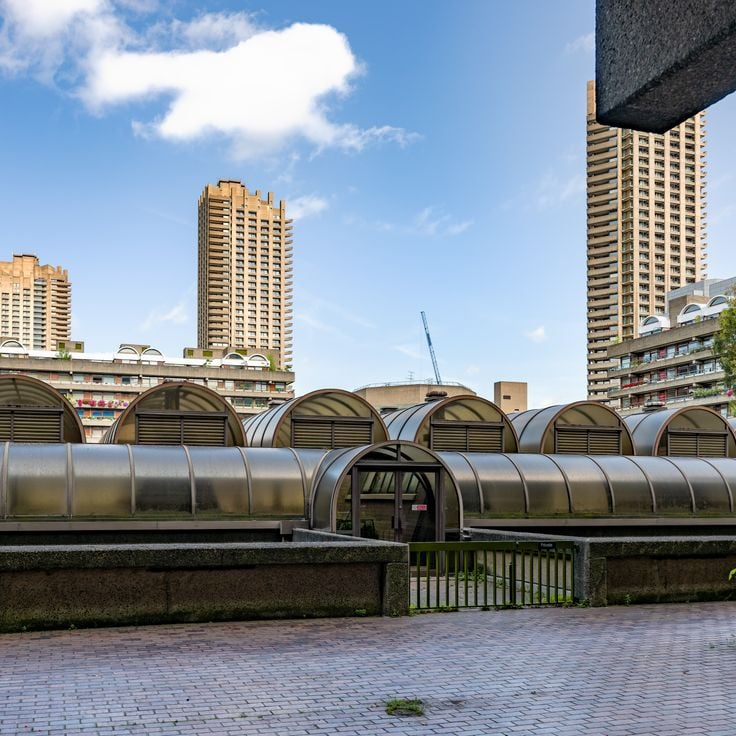
This residential estate with multiple high-rise towers from the 1960s and 1970s represents a defining example of British Brutalist architecture in the heart of the City of London. The Barbican Estate employs raw concrete surfaces and repetitive geometric forms across its residential towers, terraces and public spaces, which form an enclosed elevated network of walkways. The complex also contains an arts center with theaters and concert halls, demonstrating the movement's typical approach to urban integration of housing and cultural facilities.
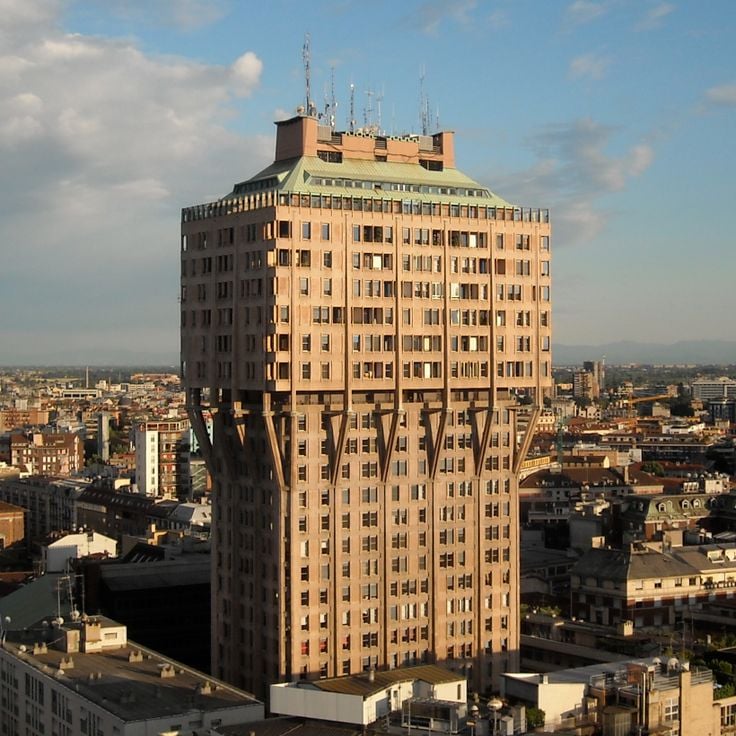
This 1958 skyscraper represents a key example of brutalist architecture in Milan. Torre Velasca was designed by architects Lodovico Barbiano di Belgiojoso, Enrico Peressutti and Ernesto Nathan Rogers, reaching a height of 348 feet (106 meters). The building displays exposed concrete construction and a distinctive cantilevered crown that references medieval Lombard towers. The lower 18 floors serve as office space while the upper eight levels contain residential apartments. The exterior facade combines raw concrete with reddish stone cladding.
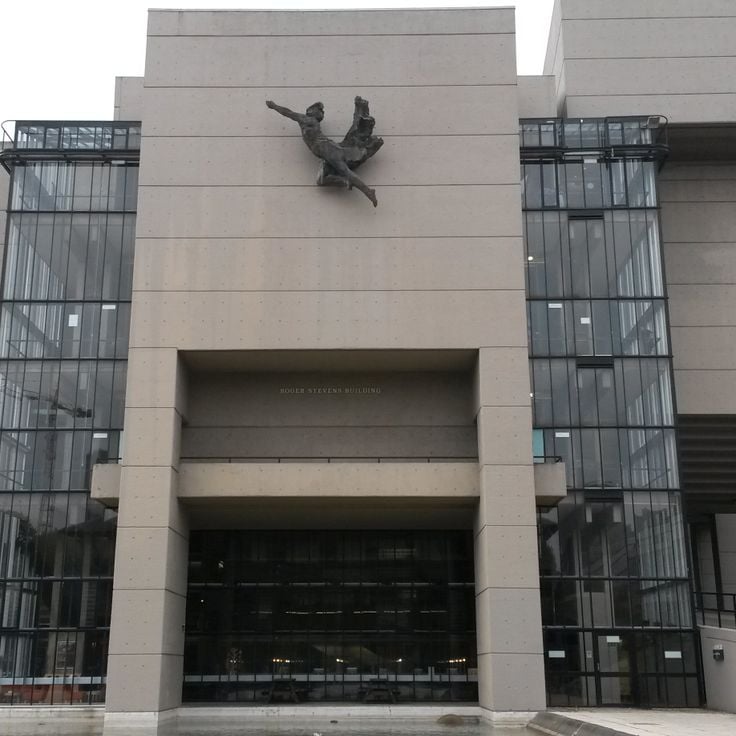
This administrative and teaching building at the University of Leeds was completed in 1970 and named after a former university treasurer. The Roger Stevens Building presents raw concrete facades, horizontal window bands and a blocky structure typical of postwar brutalist university construction. The building houses lecture halls, seminar rooms and offices for various faculties. Its massive concrete walls and functional design reflect the architectural principles of the 1960s and 1970s, when educational institutions across Britain erected similar structures.
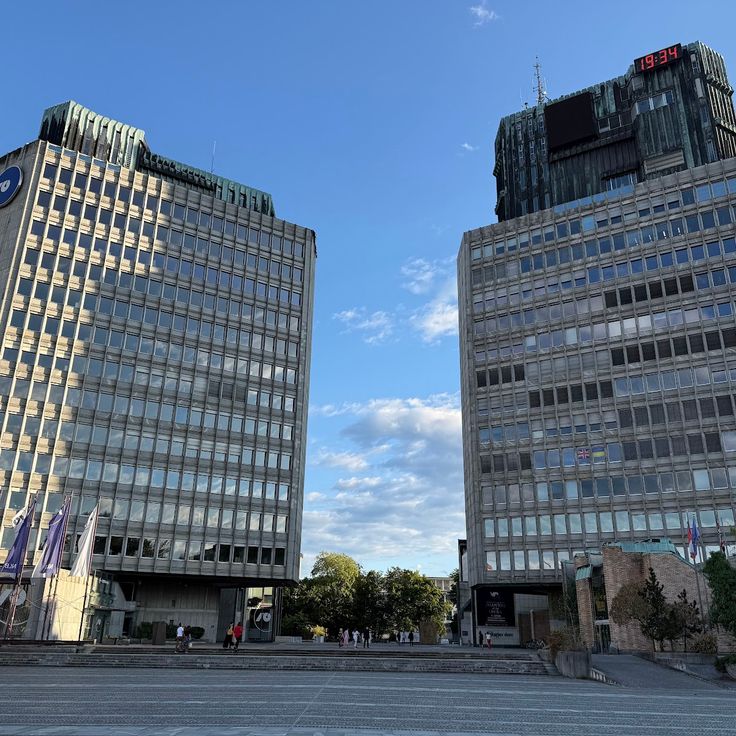
This expansive urban plaza from the 1960s represents Yugoslav modernism through its concrete constructions. The square encompasses several interconnected buildings including office towers and public facilities that display geometric forms and exposed structural components. Raw concrete surfaces and horizontal lines define the architectural character of this central urban development. Trg republike stands as a representative example of postwar urban planning in Slovenia and documents the design principles of brutalist architecture within a socialist context.
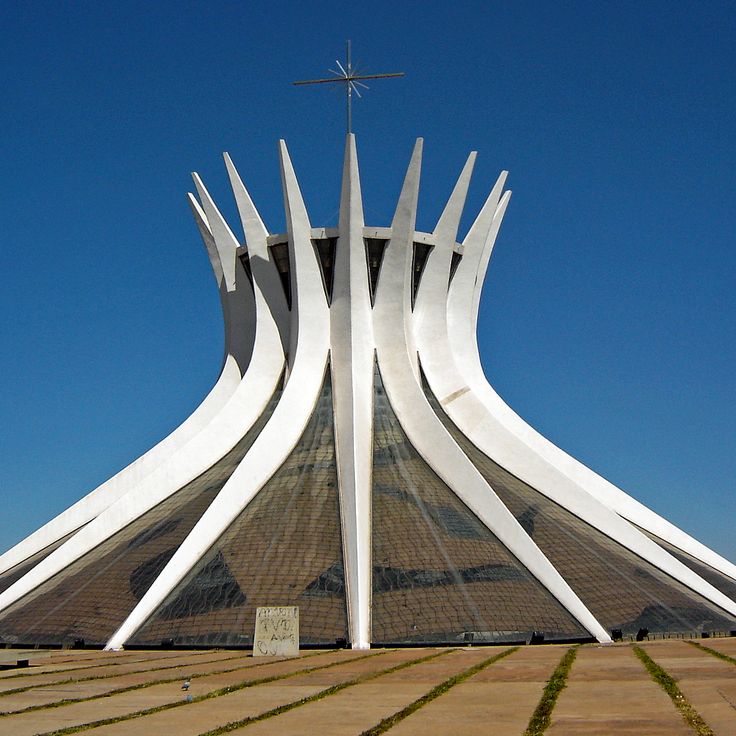
This cathedral was built between 1958 and 1970 to a design by Oscar Niemeyer and stands as one of the most recognizable brutalist religious structures in Latin America. The building consists of sixteen hyperbolic concrete columns that curve outward and upward to form a crown shape. The structure symbolizes two hands reaching toward the sky. The interior space sits mostly below ground level and receives natural light through large glass panels set between the concrete columns. The cathedral has served as the seat of the Archdiocese of Brasília since its consecration in 1970 and represents a major work of Brazilian modernist architecture.
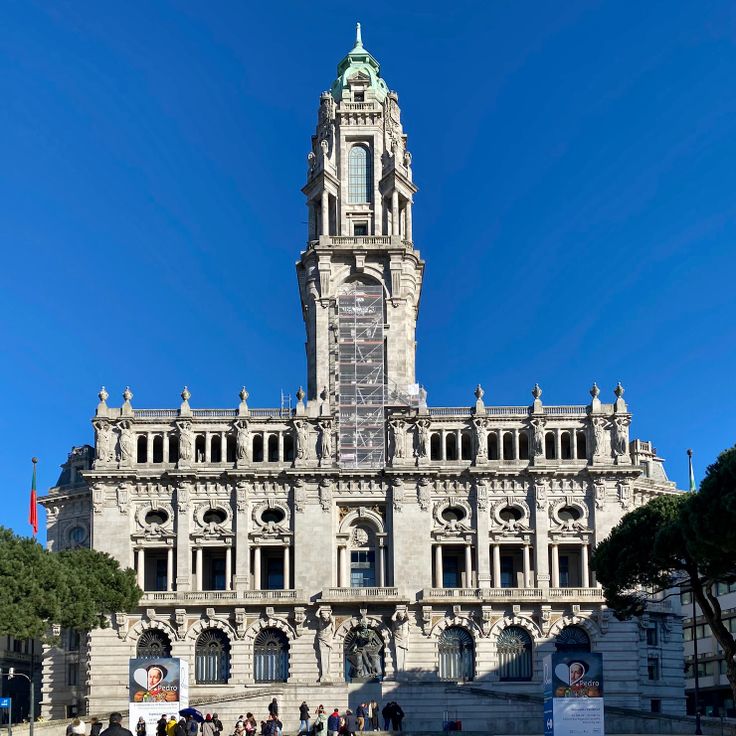
This administrative building in Santo Ildefonso district embodies the brutalist principles of the 1950s through 1970s with its raw concrete surfaces and geometric forms. Porto city hall displays exposed structural elements typical of the movement and serves as the municipal administrative center. The concrete construction illustrates how brutalist architecture shaped public buildings across European cities, combining functional requirements with the architectural expression characteristic of this era.
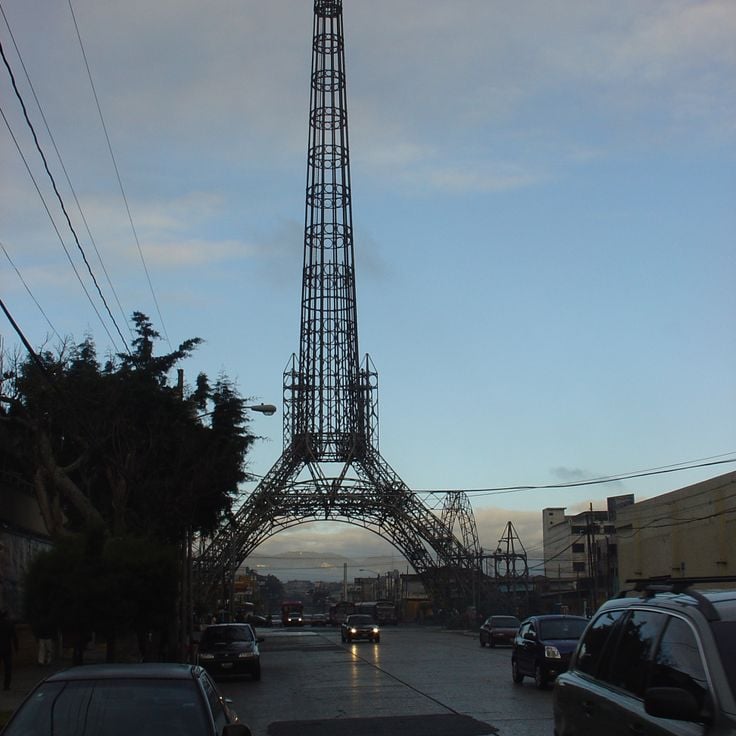
This 240-foot (75-meter) steel tower stands in the heart of Guatemala City and was completed in 1935 to honor President Justo Rufino Barrios. The structure rises in Zone 9 and marks a prominent stretch of Avenida La Reforma. Though the Torre del Reformador predates the Brutalist movement of the 1950s through 1970s, it represents an earlier phase of modern engineering architecture with its exposed steel framework and geometric structural elements. The monument serves as a landmark in the capital and can be climbed during special occasions.
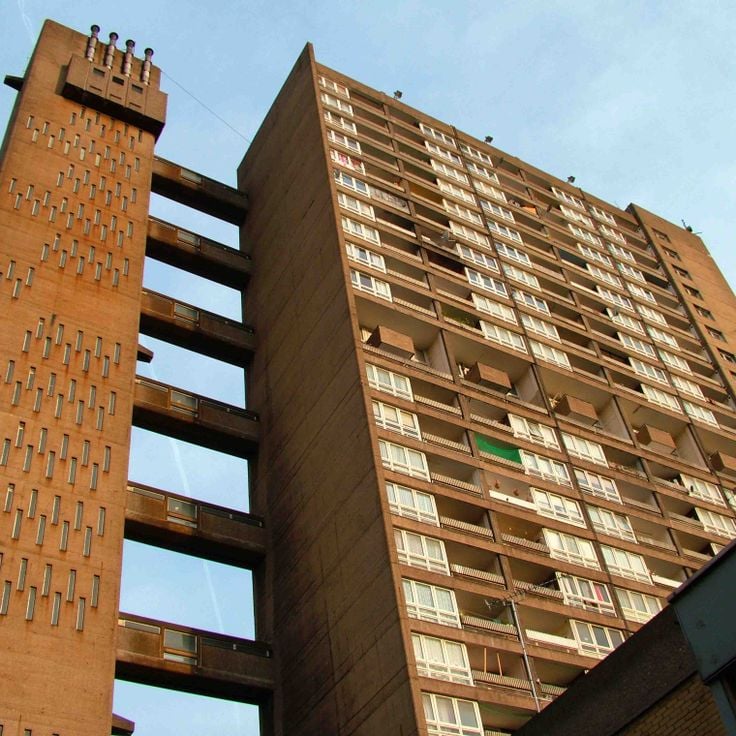
This residential tower in Poplar stands as an example of Britain's social housing projects from the 1960s. Balfron Tower was constructed between 1965 and 1967 following designs by Ernő Goldfinger and displays the raw concrete surfaces characteristic of this architectural period. The 26-story structure reaches 276 feet (84 meters) in height and formed part of a larger housing development. The construction emphasizes exposed vertical service cores and horizontal residential floors in concrete, revealing the building's structural framework. The complex belongs to those buildings that combined functional design with geometric forms during the movement's development across multiple continents.
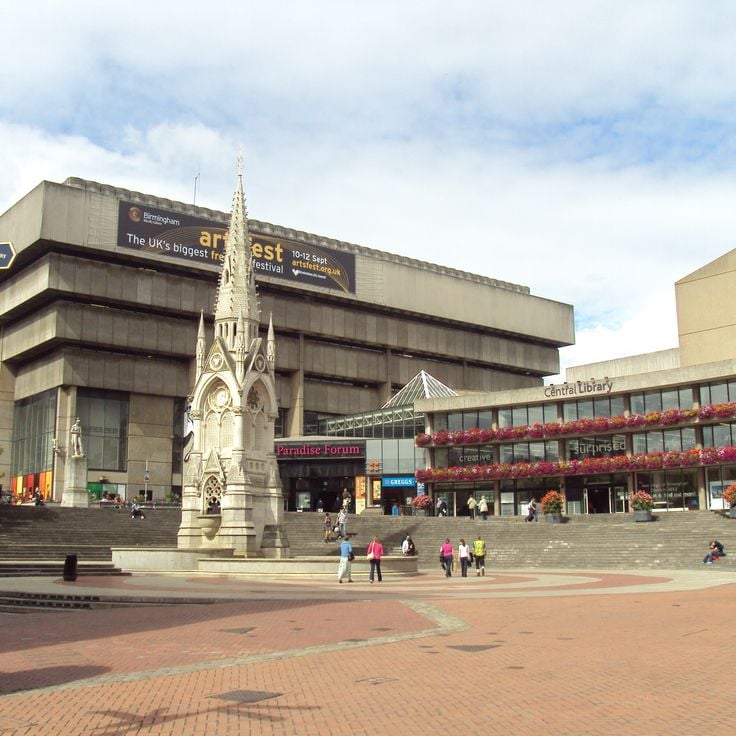
This library stands as a prominent example of brutalist architecture in Birmingham's city center. Completed in 1974, the building exhibits the defining characteristics of the era with its concrete construction and massive geometric forms. Architects John Madin Design Group created a multi-story complex featuring cantilevered floors and an inverted pyramid design. The structure served as the city's central library until 2013, housing extensive collections and reading rooms across ten levels. The building documents the postwar urban ambitions and the period's vision for public institutions in major cities.
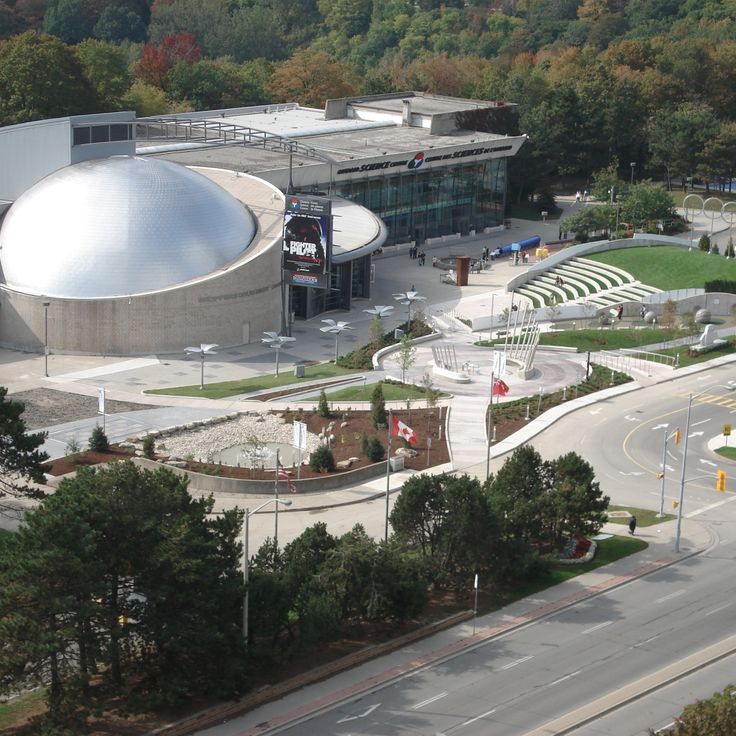
The Ontario Science Centre represents a notable example of Canadian Brutalist construction from around 1970. The complex extends across multiple levels along a wooded ravine, using exposed concrete and geometric forms to define its exhibition spaces. Designed by Raymond Moriyama, this structure combines scientific education facilities with characteristic Brutalist structural elements, including raw concrete surfaces and clearly defined spatial sequences.
The Unité d'Habitation stands as one of the most influential residential buildings of Brutalism, constructed between 1947 and 1952 according to Le Corbusier's vision of a vertical city. This concrete structure houses 337 apartments across 12 floors, complemented by shops, a rooftop terrace with kindergarten and communal facilities. The building exemplifies the defining characteristics of Brutalist architecture from the postwar decades, with its raw concrete surfaces, geometric forms and exposed structural elements. The concept integrates living spaces, retail areas and social functions within a single structure.
This administrative building from 1968 demonstrates the defining characteristics of brutalism through its geometric concrete forms and inverted pyramid structure. The exposed construction elements emphasize the architectural philosophy of visible structure and material honesty. Boston City Hall was designed by Kallmann McKinnell & Knowles and houses municipal government offices across multiple levels, with the massive concrete facades reflecting the functional spaces within.
This residential tower completed in 1972 stands as a prominent example of brutalist architecture from the postwar period in London. Trellick Tower rises 31 stories and displays the characteristic features of the movement, with exposed concrete surfaces and pronounced geometric form. The separate elevator shaft connects to the main building through access bridges, a structural solution that emphasizes the building's exposed elements. Designed by architect Ernő Goldfinger, the structure contains 217 residential units. The raw concrete surfaces and expressive form follow the principles of brutalism, which combined functional honesty with monumental presence.
The National Assembly Building serves as the seat of Bangladesh's parliament and represents Louis Kahn's major work, constructed between 1961 and 1982. The complex encompasses the parliament itself, a mosque, and ministerial housing across over 500 acres. The structure features massive geometric concrete forms including circular, triangular, and rectangular openings that cut through the multi-story walls. An elaborate system of artificial water bodies surrounds the buildings, contributing to natural cooling and light reflection. The use of exposed concrete, the clear separation of functional areas, and the integration of Islamic design principles make this building a significant example of Brutalist architecture in South Asia.
This concrete structure was completed in 1974 to commemorate the Macedonian independence movement. Makedonium displays the defining characteristics of Brutalist architecture through its sculptural form and exposed concrete surfaces. The dome houses a museum documenting the history of the Ilinden Uprising of 1903, when Macedonian revolutionaries fought against Ottoman rule. The geometric structure stands on a hill above Kruševo and serves as a national symbol of North Macedonia. Its raw concrete construction and bold angular design represent the architectural trends of Eastern European monuments from this period.
This concrete museum building opened in 1966 and demonstrates the characteristic geometric forms of Brutalist architecture. Marcel Breuer designed the structure with its distinctive facade of stepped, projecting concrete elements that create a sculptural quality. The construction was originally built for the Whitney Museum of American Art and later served the Metropolitan Museum of Art as exhibition space. The building stands as an example of exposed concrete use and angular geometric compositions that Breuer developed during the 1960s. The inverted ziggurat form shapes its appearance on Madison Avenue and represents the period when cultural institutions adopted raw concrete construction methods.
This government seat in Chandigarh was completed in 1963 and houses the Parliament of Punjab and Haryana. The concrete construction displays geometric forms and extended lines characteristic of brutalist architecture from the 1950s through 1970s. The building employs raw concrete surfaces and exposed structural elements. The Palace of Assembly forms part of the administrative complex in Chandigarh, belonging to a collection of brutalist structures from multiple continents that includes administrative centers, universities, churches, theaters and residential complexes from this period.
This skyscraper was completed in 1960 and rises 417 feet (127 meters) in Milan. The structure was designed by Gio Ponti and Pier Luigi Nervi as the headquarters for tire manufacturer Pirelli. The facade combines glass and concrete with vertical lines that emphasize the building's slender profile. The Pirelli Tower represents one of the early examples of modern high-rise construction in Europe and demonstrates the structural efficiency of postwar architecture with exposed concrete elements. The building now houses regional administrative offices and represents an important chapter in Italian architectural history within this collection of concrete buildings from the period.
SESC Pompéia emerged in 1982 from the conversion of a factory into a leisure center, adding to the repertoire of Brutalist architecture in South America. Architect Lina Bo Bardi designed concrete towers with distinctive circular openings that connect to the brick walls of the original factory buildings. The complex includes sports facilities within the concrete towers, water pools for public use and a theater accommodating 800 seats. The raw concrete surfaces and geometric forms align with Brutalist design principles, while the incorporation of historic structures demonstrates Bo Bardi's practical approach to urban renewal.
This library was built in 1970 for the University of Chicago and combines seven floors in a structure of limestone and exposed concrete. The building displays the typical features of early 1970s brutalist architecture, including exposed structural elements and geometric forms. Regenstein Library serves as the university's main research library and houses several million volumes. The raw concrete facade and clear division of floors emphasize the functional orientation of the structure, which has become an important campus landmark.
This memorial on Petrova Gora mountain rises 37 meters (121 feet) and consists of stainless steel construction completed in 1981. The structure exemplifies the geometric forms and exposed structural elements characteristic of this brutalist architecture collection. The monument occupies a historically significant mountain site and represents the architectural principles of late brutalism through its sculptural concrete forms and expressive use of industrial materials. The building stands as an administrative and commemorative center featuring the raw surfaces and bold shapes typical of structures from the 1950s through 1970s brutalist movement.
This cubic cemetery complex in Modena was designed in 1971 and stands as an important example of brutalist architecture in Italy. San Cataldo displays the characteristic features of this movement through its central courtyard and repetitive window elements without glass. The raw concrete surfaces and geometric forms follow the functional approach of the period, while the open structure with unglazed openings creates a particular quality between monumentality and impermanence. The cemetery represents the brutalist approach to sacred and commemorative buildings of the 1970s.
This museum stands as an example of brutalist architecture in Brazil, completed in 1963. The Paulista Museum presents raw concrete in its facade with distinct geometric forms characteristic of the movement. The structure houses collections of Brazilian history and demonstrates the functional aesthetic of the period. The exposed concrete surfaces and straightforward geometric language follow brutalist principles that shaped public and cultural buildings worldwide between the 1950s and 1970s. The museum combines the architectural identity of this era with its role as an exhibition space for historical artifacts and documents.
This cathedral in San Francisco was completed in 1971 and represents the brutalist architecture of the era with its exposed concrete construction. The building features a square base from which an elevated central cross rises. The geometric window elements create light effects within the interior spaces. The raw concrete surfaces and the sculptural form of the structure demonstrate the characteristic features of brutalist ecclesiastical buildings from the 1970s. The cathedral serves as the episcopal seat of the Archdiocese of San Francisco and shows the application of brutalist design principles to religious architecture in the United States.
This hotel occupies a renovated brutalist structure from the 1970s featuring horizontal window bands and exposed column systems on the ground floor. The raw concrete facades and geometric lines represent characteristic elements of brutalist architecture from that period. Originally built as an administrative building, Hotel Marcel was later converted into a hotel while preserving its distinctive structural features. The horizontal concrete slabs and expressive skeletal framework make this building a representative example of the brutalist movement along the American East Coast.
The Prince Kuhio Federal Building dates from the 1970s and displays vertical concrete slats across its facade with a central entrance featuring a colonnade. This administrative facility belongs to a collection of structures built between the 1950s and 1970s that use raw concrete surfaces, geometric shapes and exposed structural elements. The building follows the principles of brutalist design, combining functional purpose with bold architectural form.
This extension to the National Gallery demonstrates how the brutalist principles featured in the collection manifested in Athens' cultural landscape during the 1970s. Completed in 1976, the concrete structure organizes the modern Greek art collection across three exhibition floors. The geometric forms and open spaces follow typical design principles of the era with exposed concrete surfaces and clean lines. The building stands as an example of the functional architecture of those decades, when public cultural institutions frequently employed these robust structural elements.
This 1977 embassy building by Harry Seidler demonstrates brutalist principles through prominent horizontal concrete elements and a floating entrance construction. The structure showcases the movement's signature raw concrete aesthetic with clear geometric lines and exposed structural components. The architecture combines Australian design approaches with European brutalism's strict functionalism, creating an uncompromising presence in the Parisian cityscape. The embassy demonstrates Seidler's mastery of concrete forming and stands as a significant example of diplomatic architecture from the Seventies, representing the international reach of brutalist design during its peak period.
This bank building completed in 1966 demonstrates the defining characteristics of this collection's brutalist architecture through its use of exposed concrete and geometric patterns. The Bank of London and South America presents a facade with visible structural elements that embody the style's principle of honest material expression. The building documents the spread of brutalism across South America during the 1960s and represents the administrative structures that formed part of this international architectural movement.
This administrative building in Goshen opened in 1971 and presents a complex arrangement of concrete blocks with offset levels and rectangular windows, characteristic of postwar brutalist design. The Orange County Government Center illustrates the functional approach of this architectural movement, with exposed structural elements and raw concrete surfaces typical of public buildings from the era.
This hospital demonstrates Goldberg's distinctive architectural approach with its seven stacked concrete cylinders resting on a low rectangular base. Bertrand Goldberg designed the building completed in 1975 with narrow vertical window slits that emphasize the rounded forms of the structure. The raw concrete surfaces and geometric composition embody the brutalist principles of the era. Despite preservation efforts, Prentice Women's Hospital was demolished in 2013.
This church was built between 1974 and 1976 following designs by sculptor Fritz Wotruba, who completed the plans shortly before his death. The Wotruba Church comprises 152 irregularly arranged concrete blocks weighing between 1 and 141 tons (0.9 and 128 metric tons). The blocks form a tower reaching 45 feet (13.6 meters) in height and create natural openings for daylight through their placement. This brutalist structure on Georgenberg hill rises above southwestern Vienna and incorporates religious architecture into a sculptural form of raw concrete.
This student residence at the University of Illinois at Chicago was constructed in 1965 as part of the campus brutalist development. The building displays characteristic geometric concrete forms and provides accommodation for 1600 students. The structure represents an early example of brutalist residential architecture in American university settings and documents the building philosophy of the 1960s with its emphasis on function and raw materials.
The Robarts Library university building opened in 1973 and displays the triangular form and raised concrete walls characteristic of brutalist architecture from that decade. This library houses over 4.5 million books and exemplifies the raw concrete surfaces, geometric shapes and exposed structural elements found throughout this collection of brutalist buildings. The massive structure serves the University of Toronto and represents the functional aesthetic of mid-century institutional design executed in bare concrete with fortress-like elevations that define the brutalist movement.
This Boston administrative building was designed by Paul Rudolph in 1971 and exemplifies brutalist principles through nine floors of exposed concrete. The complex houses offices for various state agencies and organizes around an interior courtyard that serves as the central circulation space. Rudolph's design employs geometric forms and raw concrete surfaces characteristic of the era's construction approach. The Government Service Center demonstrates the functional approach to public buildings during the 1970s, when material honesty and structural clarity were priorities in architectural practice.
This building serves as a telecommunications infrastructure hub and represents a characteristic example of Brutalist architecture in Manhattan. The 167-meter (548-foot) tower from 1974 consists of windowless concrete with prominent vertical columns. The AT&T Long Lines Building was designed to house switching equipment, which explains why the massive structure requires no natural light. The exposed concrete surfaces and geometric articulation of the facade follow the design principles of this architectural movement from the 1950s through 1970s.
This residential complex, whose two concrete blocks housed 213 apartments between 1966 and 1972, exemplifies brutalist architecture with raw concrete surfaces and geometric forms in London. Designed by Alison and Peter Smithson, Robin Hood Gardens incorporated the central green space between the two parallel structures. The streets-in-the-sky access system and exposed structural elements demonstrate typical features of these buildings from the 1950s through 1970s, before the western block was demolished in 2017 and the eastern in 2019.
The Royal National Theatre opened in 1976 and consists of exposed concrete construction throughout. The complex contains three theater halls of varying capacity, workshops for set and costume production, several restaurants and public terraces overlooking the Thames. Massive geometric forms and horizontal concrete layers characterize the building's brutalist design. Architect Denys Lasdun conceived the theater as an open structure welcoming both theatergoers and passersby. The exposed concrete surfaces and terraced arrangement of volumes define the river's South Bank skyline.
Habitat 67 is a residential complex in Montreal built in 1967 as an experiment in urban housing. Architect Moshe Safdie designed the structure using 354 identical prefabricated concrete modules stacked in various configurations to create 146 dwelling units. Each unit has its own terrace formed by the offset arrangement of the modules. The structure displays characteristic features of brutalist architecture with exposed concrete surfaces and geometric forms. Habitat 67 stands as a significant example of experimental housing design from the 1960s.
This residential estate with multiple high-rise towers from the 1960s and 1970s represents a defining example of British Brutalist architecture in the heart of the City of London. The Barbican Estate employs raw concrete surfaces and repetitive geometric forms across its residential towers, terraces and public spaces, which form an enclosed elevated network of walkways. The complex also contains an arts center with theaters and concert halls, demonstrating the movement's typical approach to urban integration of housing and cultural facilities.
This 1958 skyscraper represents a key example of brutalist architecture in Milan. Torre Velasca was designed by architects Lodovico Barbiano di Belgiojoso, Enrico Peressutti and Ernesto Nathan Rogers, reaching a height of 348 feet (106 meters). The building displays exposed concrete construction and a distinctive cantilevered crown that references medieval Lombard towers. The lower 18 floors serve as office space while the upper eight levels contain residential apartments. The exterior facade combines raw concrete with reddish stone cladding.
This administrative and teaching building at the University of Leeds was completed in 1970 and named after a former university treasurer. The Roger Stevens Building presents raw concrete facades, horizontal window bands and a blocky structure typical of postwar brutalist university construction. The building houses lecture halls, seminar rooms and offices for various faculties. Its massive concrete walls and functional design reflect the architectural principles of the 1960s and 1970s, when educational institutions across Britain erected similar structures.
This expansive urban plaza from the 1960s represents Yugoslav modernism through its concrete constructions. The square encompasses several interconnected buildings including office towers and public facilities that display geometric forms and exposed structural components. Raw concrete surfaces and horizontal lines define the architectural character of this central urban development. Trg republike stands as a representative example of postwar urban planning in Slovenia and documents the design principles of brutalist architecture within a socialist context.
This cathedral was built between 1958 and 1970 to a design by Oscar Niemeyer and stands as one of the most recognizable brutalist religious structures in Latin America. The building consists of sixteen hyperbolic concrete columns that curve outward and upward to form a crown shape. The structure symbolizes two hands reaching toward the sky. The interior space sits mostly below ground level and receives natural light through large glass panels set between the concrete columns. The cathedral has served as the seat of the Archdiocese of Brasília since its consecration in 1970 and represents a major work of Brazilian modernist architecture.
This administrative building in Santo Ildefonso district embodies the brutalist principles of the 1950s through 1970s with its raw concrete surfaces and geometric forms. Porto city hall displays exposed structural elements typical of the movement and serves as the municipal administrative center. The concrete construction illustrates how brutalist architecture shaped public buildings across European cities, combining functional requirements with the architectural expression characteristic of this era.
This 240-foot (75-meter) steel tower stands in the heart of Guatemala City and was completed in 1935 to honor President Justo Rufino Barrios. The structure rises in Zone 9 and marks a prominent stretch of Avenida La Reforma. Though the Torre del Reformador predates the Brutalist movement of the 1950s through 1970s, it represents an earlier phase of modern engineering architecture with its exposed steel framework and geometric structural elements. The monument serves as a landmark in the capital and can be climbed during special occasions.
This residential tower in Poplar stands as an example of Britain's social housing projects from the 1960s. Balfron Tower was constructed between 1965 and 1967 following designs by Ernő Goldfinger and displays the raw concrete surfaces characteristic of this architectural period. The 26-story structure reaches 276 feet (84 meters) in height and formed part of a larger housing development. The construction emphasizes exposed vertical service cores and horizontal residential floors in concrete, revealing the building's structural framework. The complex belongs to those buildings that combined functional design with geometric forms during the movement's development across multiple continents.
This library stands as a prominent example of brutalist architecture in Birmingham's city center. Completed in 1974, the building exhibits the defining characteristics of the era with its concrete construction and massive geometric forms. Architects John Madin Design Group created a multi-story complex featuring cantilevered floors and an inverted pyramid design. The structure served as the city's central library until 2013, housing extensive collections and reading rooms across ten levels. The building documents the postwar urban ambitions and the period's vision for public institutions in major cities.
The Ontario Science Centre represents a notable example of Canadian Brutalist construction from around 1970. The complex extends across multiple levels along a wooded ravine, using exposed concrete and geometric forms to define its exhibition spaces. Designed by Raymond Moriyama, this structure combines scientific education facilities with characteristic Brutalist structural elements, including raw concrete surfaces and clearly defined spatial sequences.
The Unité d'Habitation stands as one of the most influential residential buildings of Brutalism, constructed between 1947 and 1952 according to Le Corbusier's vision of a vertical city. This concrete structure houses 337 apartments across 12 floors, complemented by shops, a rooftop terrace with kindergarten and communal facilities. The building exemplifies the defining characteristics of Brutalist architecture from the postwar decades, with its raw concrete surfaces, geometric forms and exposed structural elements. The concept integrates living spaces, retail areas and social functions within a single structure.
This administrative building from 1968 demonstrates the defining characteristics of brutalism through its geometric concrete forms and inverted pyramid structure. The exposed construction elements emphasize the architectural philosophy of visible structure and material honesty. Boston City Hall was designed by Kallmann McKinnell & Knowles and houses municipal government offices across multiple levels, with the massive concrete facades reflecting the functional spaces within.
This residential tower completed in 1972 stands as a prominent example of brutalist architecture from the postwar period in London. Trellick Tower rises 31 stories and displays the characteristic features of the movement, with exposed concrete surfaces and pronounced geometric form. The separate elevator shaft connects to the main building through access bridges, a structural solution that emphasizes the building's exposed elements. Designed by architect Ernő Goldfinger, the structure contains 217 residential units. The raw concrete surfaces and expressive form follow the principles of brutalism, which combined functional honesty with monumental presence.
The National Assembly Building serves as the seat of Bangladesh's parliament and represents Louis Kahn's major work, constructed between 1961 and 1982. The complex encompasses the parliament itself, a mosque, and ministerial housing across over 500 acres. The structure features massive geometric concrete forms including circular, triangular, and rectangular openings that cut through the multi-story walls. An elaborate system of artificial water bodies surrounds the buildings, contributing to natural cooling and light reflection. The use of exposed concrete, the clear separation of functional areas, and the integration of Islamic design principles make this building a significant example of Brutalist architecture in South Asia.
This concrete structure was completed in 1974 to commemorate the Macedonian independence movement. Makedonium displays the defining characteristics of Brutalist architecture through its sculptural form and exposed concrete surfaces. The dome houses a museum documenting the history of the Ilinden Uprising of 1903, when Macedonian revolutionaries fought against Ottoman rule. The geometric structure stands on a hill above Kruševo and serves as a national symbol of North Macedonia. Its raw concrete construction and bold angular design represent the architectural trends of Eastern European monuments from this period.
This concrete museum building opened in 1966 and demonstrates the characteristic geometric forms of Brutalist architecture. Marcel Breuer designed the structure with its distinctive facade of stepped, projecting concrete elements that create a sculptural quality. The construction was originally built for the Whitney Museum of American Art and later served the Metropolitan Museum of Art as exhibition space. The building stands as an example of exposed concrete use and angular geometric compositions that Breuer developed during the 1960s. The inverted ziggurat form shapes its appearance on Madison Avenue and represents the period when cultural institutions adopted raw concrete construction methods.
This government seat in Chandigarh was completed in 1963 and houses the Parliament of Punjab and Haryana. The concrete construction displays geometric forms and extended lines characteristic of brutalist architecture from the 1950s through 1970s. The building employs raw concrete surfaces and exposed structural elements. The Palace of Assembly forms part of the administrative complex in Chandigarh, belonging to a collection of brutalist structures from multiple continents that includes administrative centers, universities, churches, theaters and residential complexes from this period.
This skyscraper was completed in 1960 and rises 417 feet (127 meters) in Milan. The structure was designed by Gio Ponti and Pier Luigi Nervi as the headquarters for tire manufacturer Pirelli. The facade combines glass and concrete with vertical lines that emphasize the building's slender profile. The Pirelli Tower represents one of the early examples of modern high-rise construction in Europe and demonstrates the structural efficiency of postwar architecture with exposed concrete elements. The building now houses regional administrative offices and represents an important chapter in Italian architectural history within this collection of concrete buildings from the period.
SESC Pompéia emerged in 1982 from the conversion of a factory into a leisure center, adding to the repertoire of Brutalist architecture in South America. Architect Lina Bo Bardi designed concrete towers with distinctive circular openings that connect to the brick walls of the original factory buildings. The complex includes sports facilities within the concrete towers, water pools for public use and a theater accommodating 800 seats. The raw concrete surfaces and geometric forms align with Brutalist design principles, while the incorporation of historic structures demonstrates Bo Bardi's practical approach to urban renewal.
This library was built in 1970 for the University of Chicago and combines seven floors in a structure of limestone and exposed concrete. The building displays the typical features of early 1970s brutalist architecture, including exposed structural elements and geometric forms. Regenstein Library serves as the university's main research library and houses several million volumes. The raw concrete facade and clear division of floors emphasize the functional orientation of the structure, which has become an important campus landmark.
This memorial on Petrova Gora mountain rises 37 meters (121 feet) and consists of stainless steel construction completed in 1981. The structure exemplifies the geometric forms and exposed structural elements characteristic of this brutalist architecture collection. The monument occupies a historically significant mountain site and represents the architectural principles of late brutalism through its sculptural concrete forms and expressive use of industrial materials. The building stands as an administrative and commemorative center featuring the raw surfaces and bold shapes typical of structures from the 1950s through 1970s brutalist movement.
This cubic cemetery complex in Modena was designed in 1971 and stands as an important example of brutalist architecture in Italy. San Cataldo displays the characteristic features of this movement through its central courtyard and repetitive window elements without glass. The raw concrete surfaces and geometric forms follow the functional approach of the period, while the open structure with unglazed openings creates a particular quality between monumentality and impermanence. The cemetery represents the brutalist approach to sacred and commemorative buildings of the 1970s.
This museum stands as an example of brutalist architecture in Brazil, completed in 1963. The Paulista Museum presents raw concrete in its facade with distinct geometric forms characteristic of the movement. The structure houses collections of Brazilian history and demonstrates the functional aesthetic of the period. The exposed concrete surfaces and straightforward geometric language follow brutalist principles that shaped public and cultural buildings worldwide between the 1950s and 1970s. The museum combines the architectural identity of this era with its role as an exhibition space for historical artifacts and documents.
This cathedral in San Francisco was completed in 1971 and represents the brutalist architecture of the era with its exposed concrete construction. The building features a square base from which an elevated central cross rises. The geometric window elements create light effects within the interior spaces. The raw concrete surfaces and the sculptural form of the structure demonstrate the characteristic features of brutalist ecclesiastical buildings from the 1970s. The cathedral serves as the episcopal seat of the Archdiocese of San Francisco and shows the application of brutalist design principles to religious architecture in the United States.
This hotel occupies a renovated brutalist structure from the 1970s featuring horizontal window bands and exposed column systems on the ground floor. The raw concrete facades and geometric lines represent characteristic elements of brutalist architecture from that period. Originally built as an administrative building, Hotel Marcel was later converted into a hotel while preserving its distinctive structural features. The horizontal concrete slabs and expressive skeletal framework make this building a representative example of the brutalist movement along the American East Coast.
The Prince Kuhio Federal Building dates from the 1970s and displays vertical concrete slats across its facade with a central entrance featuring a colonnade. This administrative facility belongs to a collection of structures built between the 1950s and 1970s that use raw concrete surfaces, geometric shapes and exposed structural elements. The building follows the principles of brutalist design, combining functional purpose with bold architectural form.
This extension to the National Gallery demonstrates how the brutalist principles featured in the collection manifested in Athens' cultural landscape during the 1970s. Completed in 1976, the concrete structure organizes the modern Greek art collection across three exhibition floors. The geometric forms and open spaces follow typical design principles of the era with exposed concrete surfaces and clean lines. The building stands as an example of the functional architecture of those decades, when public cultural institutions frequently employed these robust structural elements.
This 1977 embassy building by Harry Seidler demonstrates brutalist principles through prominent horizontal concrete elements and a floating entrance construction. The structure showcases the movement's signature raw concrete aesthetic with clear geometric lines and exposed structural components. The architecture combines Australian design approaches with European brutalism's strict functionalism, creating an uncompromising presence in the Parisian cityscape. The embassy demonstrates Seidler's mastery of concrete forming and stands as a significant example of diplomatic architecture from the Seventies, representing the international reach of brutalist design during its peak period.
This bank building completed in 1966 demonstrates the defining characteristics of this collection's brutalist architecture through its use of exposed concrete and geometric patterns. The Bank of London and South America presents a facade with visible structural elements that embody the style's principle of honest material expression. The building documents the spread of brutalism across South America during the 1960s and represents the administrative structures that formed part of this international architectural movement.
This administrative building in Goshen opened in 1971 and presents a complex arrangement of concrete blocks with offset levels and rectangular windows, characteristic of postwar brutalist design. The Orange County Government Center illustrates the functional approach of this architectural movement, with exposed structural elements and raw concrete surfaces typical of public buildings from the era.
This hospital demonstrates Goldberg's distinctive architectural approach with its seven stacked concrete cylinders resting on a low rectangular base. Bertrand Goldberg designed the building completed in 1975 with narrow vertical window slits that emphasize the rounded forms of the structure. The raw concrete surfaces and geometric composition embody the brutalist principles of the era. Despite preservation efforts, Prentice Women's Hospital was demolished in 2013.
This church was built between 1974 and 1976 following designs by sculptor Fritz Wotruba, who completed the plans shortly before his death. The Wotruba Church comprises 152 irregularly arranged concrete blocks weighing between 1 and 141 tons (0.9 and 128 metric tons). The blocks form a tower reaching 45 feet (13.6 meters) in height and create natural openings for daylight through their placement. This brutalist structure on Georgenberg hill rises above southwestern Vienna and incorporates religious architecture into a sculptural form of raw concrete.
This student residence at the University of Illinois at Chicago was constructed in 1965 as part of the campus brutalist development. The building displays characteristic geometric concrete forms and provides accommodation for 1600 students. The structure represents an early example of brutalist residential architecture in American university settings and documents the building philosophy of the 1960s with its emphasis on function and raw materials.
The Robarts Library university building opened in 1973 and displays the triangular form and raised concrete walls characteristic of brutalist architecture from that decade. This library houses over 4.5 million books and exemplifies the raw concrete surfaces, geometric shapes and exposed structural elements found throughout this collection of brutalist buildings. The massive structure serves the University of Toronto and represents the functional aesthetic of mid-century institutional design executed in bare concrete with fortress-like elevations that define the brutalist movement.
This Boston administrative building was designed by Paul Rudolph in 1971 and exemplifies brutalist principles through nine floors of exposed concrete. The complex houses offices for various state agencies and organizes around an interior courtyard that serves as the central circulation space. Rudolph's design employs geometric forms and raw concrete surfaces characteristic of the era's construction approach. The Government Service Center demonstrates the functional approach to public buildings during the 1970s, when material honesty and structural clarity were priorities in architectural practice.
This building serves as a telecommunications infrastructure hub and represents a characteristic example of Brutalist architecture in Manhattan. The 167-meter (548-foot) tower from 1974 consists of windowless concrete with prominent vertical columns. The AT&T Long Lines Building was designed to house switching equipment, which explains why the massive structure requires no natural light. The exposed concrete surfaces and geometric articulation of the facade follow the design principles of this architectural movement from the 1950s through 1970s.
This residential complex, whose two concrete blocks housed 213 apartments between 1966 and 1972, exemplifies brutalist architecture with raw concrete surfaces and geometric forms in London. Designed by Alison and Peter Smithson, Robin Hood Gardens incorporated the central green space between the two parallel structures. The streets-in-the-sky access system and exposed structural elements demonstrate typical features of these buildings from the 1950s through 1970s, before the western block was demolished in 2017 and the eastern in 2019.
The Royal National Theatre opened in 1976 and consists of exposed concrete construction throughout. The complex contains three theater halls of varying capacity, workshops for set and costume production, several restaurants and public terraces overlooking the Thames. Massive geometric forms and horizontal concrete layers characterize the building's brutalist design. Architect Denys Lasdun conceived the theater as an open structure welcoming both theatergoers and passersby. The exposed concrete surfaces and terraced arrangement of volumes define the river's South Bank skyline.
Habitat 67 is a residential complex in Montreal built in 1967 as an experiment in urban housing. Architect Moshe Safdie designed the structure using 354 identical prefabricated concrete modules stacked in various configurations to create 146 dwelling units. Each unit has its own terrace formed by the offset arrangement of the modules. The structure displays characteristic features of brutalist architecture with exposed concrete surfaces and geometric forms. Habitat 67 stands as a significant example of experimental housing design from the 1960s.
This residential estate with multiple high-rise towers from the 1960s and 1970s represents a defining example of British Brutalist architecture in the heart of the City of London. The Barbican Estate employs raw concrete surfaces and repetitive geometric forms across its residential towers, terraces and public spaces, which form an enclosed elevated network of walkways. The complex also contains an arts center with theaters and concert halls, demonstrating the movement's typical approach to urban integration of housing and cultural facilities.
This 1958 skyscraper represents a key example of brutalist architecture in Milan. Torre Velasca was designed by architects Lodovico Barbiano di Belgiojoso, Enrico Peressutti and Ernesto Nathan Rogers, reaching a height of 348 feet (106 meters). The building displays exposed concrete construction and a distinctive cantilevered crown that references medieval Lombard towers. The lower 18 floors serve as office space while the upper eight levels contain residential apartments. The exterior facade combines raw concrete with reddish stone cladding.
This administrative and teaching building at the University of Leeds was completed in 1970 and named after a former university treasurer. The Roger Stevens Building presents raw concrete facades, horizontal window bands and a blocky structure typical of postwar brutalist university construction. The building houses lecture halls, seminar rooms and offices for various faculties. Its massive concrete walls and functional design reflect the architectural principles of the 1960s and 1970s, when educational institutions across Britain erected similar structures.
This expansive urban plaza from the 1960s represents Yugoslav modernism through its concrete constructions. The square encompasses several interconnected buildings including office towers and public facilities that display geometric forms and exposed structural components. Raw concrete surfaces and horizontal lines define the architectural character of this central urban development. Trg republike stands as a representative example of postwar urban planning in Slovenia and documents the design principles of brutalist architecture within a socialist context.
This cathedral was built between 1958 and 1970 to a design by Oscar Niemeyer and stands as one of the most recognizable brutalist religious structures in Latin America. The building consists of sixteen hyperbolic concrete columns that curve outward and upward to form a crown shape. The structure symbolizes two hands reaching toward the sky. The interior space sits mostly below ground level and receives natural light through large glass panels set between the concrete columns. The cathedral has served as the seat of the Archdiocese of Brasília since its consecration in 1970 and represents a major work of Brazilian modernist architecture.
This administrative building in Santo Ildefonso district embodies the brutalist principles of the 1950s through 1970s with its raw concrete surfaces and geometric forms. Porto city hall displays exposed structural elements typical of the movement and serves as the municipal administrative center. The concrete construction illustrates how brutalist architecture shaped public buildings across European cities, combining functional requirements with the architectural expression characteristic of this era.
This 240-foot (75-meter) steel tower stands in the heart of Guatemala City and was completed in 1935 to honor President Justo Rufino Barrios. The structure rises in Zone 9 and marks a prominent stretch of Avenida La Reforma. Though the Torre del Reformador predates the Brutalist movement of the 1950s through 1970s, it represents an earlier phase of modern engineering architecture with its exposed steel framework and geometric structural elements. The monument serves as a landmark in the capital and can be climbed during special occasions.
This residential tower in Poplar stands as an example of Britain's social housing projects from the 1960s. Balfron Tower was constructed between 1965 and 1967 following designs by Ernő Goldfinger and displays the raw concrete surfaces characteristic of this architectural period. The 26-story structure reaches 276 feet (84 meters) in height and formed part of a larger housing development. The construction emphasizes exposed vertical service cores and horizontal residential floors in concrete, revealing the building's structural framework. The complex belongs to those buildings that combined functional design with geometric forms during the movement's development across multiple continents.
This library stands as a prominent example of brutalist architecture in Birmingham's city center. Completed in 1974, the building exhibits the defining characteristics of the era with its concrete construction and massive geometric forms. Architects John Madin Design Group created a multi-story complex featuring cantilevered floors and an inverted pyramid design. The structure served as the city's central library until 2013, housing extensive collections and reading rooms across ten levels. The building documents the postwar urban ambitions and the period's vision for public institutions in major cities.
The Ontario Science Centre represents a notable example of Canadian Brutalist construction from around 1970. The complex extends across multiple levels along a wooded ravine, using exposed concrete and geometric forms to define its exhibition spaces. Designed by Raymond Moriyama, this structure combines scientific education facilities with characteristic Brutalist structural elements, including raw concrete surfaces and clearly defined spatial sequences.