The Met Breuer, Art museum at Madison Avenue, Upper East Side, New York, US
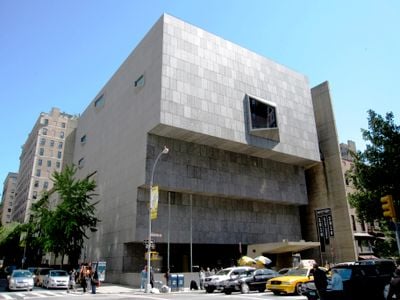
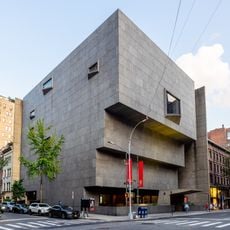
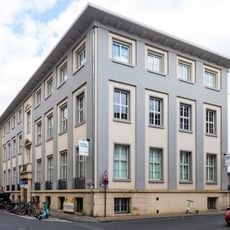
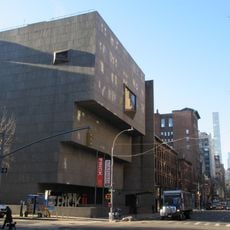
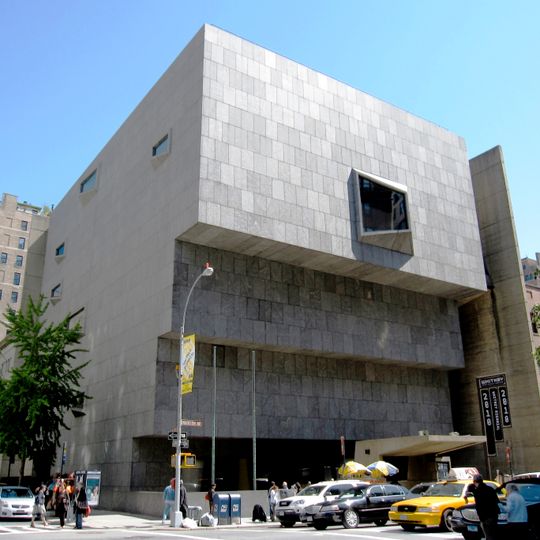
The Met Breuer building features a geometrical facade made of concrete and granite, with asymmetrical windows across its six floors on Madison Avenue.
The building, designed by architect Marcel Breuer in 1966, initially housed the Whitney Museum until 2015 before becoming part of the Metropolitan Museum of Art.
The museum exhibited modern and contemporary art from international artists, creating connections between historical pieces and present-day artistic expressions.
Visitors gained access to the Met Breuer with the same ticket used for the Metropolitan Museum of Art, allowing exploration of both locations on the same day.
The museum maintained the original architectural elements, including the sculptural concrete staircases and dramatic entrance bridge connecting to Madison Avenue.
Inception: 2016
Part of: Metropolitan Museum of Art
Website: http://metmuseum.org/visit/met-breuer
GPS coordinates: 40.77340,-73.96380
Latest update: May 26, 2025 21:38
Brutalist architecture emerged in the decades following World War II, producing buildings that challenged conventional design through their honest expression of materials and function. From Le Corbusier's Unité d'Habitation in Marseille to Louis Kahn's National Assembly in Dhaka, these structures define a global movement that prioritized raw concrete, bold geometric forms and exposed construction elements. The style reached across continents, shaping university libraries in Chicago, government buildings in Boston and Chandigarh, residential towers in London, and cultural centers in São Paulo. Each building reflects the architectural philosophy of its time, when architects sought to create functional spaces through direct expression of structure and material. This collection documents examples from Europe, Asia, North and South America, representing the full range of building types that defined the movement. You'll find administrative complexes that house parliaments and municipal offices, educational facilities serving major universities, residential towers providing urban housing, and cultural institutions including museums and theaters. The structures share common characteristics—concrete left exposed to show its texture and formwork patterns, geometric compositions that emphasize mass and volume, and architectural elements that reveal rather than conceal how buildings stand and function. These sites offer insight into a period when architects reimagined how modern cities could be built and how public spaces could serve their communities.
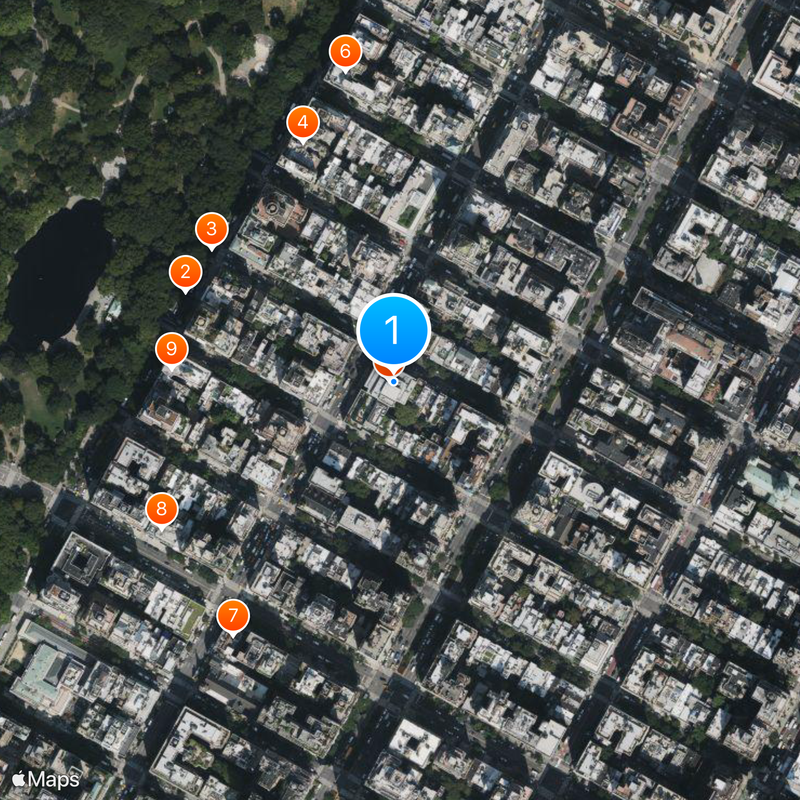
Fifth Avenue
190 m
Von Steuben Day
188 m
William A. Clark House
214 m
945 Madison Avenue
3 m
960 Fifth Avenue
263 m
Gertrude Rhinelander Waldo House
234 m
Henry T. Sloane House
229 m
927 Fifth Avenue
186 m
930 Fifth Avenue
158 m
Michael Werner Gallery
214 m
Oliver Gould Jennings House
236 m
Edward S. Harkness House
168 m
Temple Beth-El
205 m
Stuyvesant Fish House
280 m
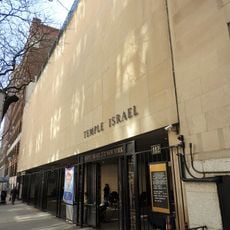
Temple Israel of the City of New York
205 m
Alice au pays des merveilles
294 m
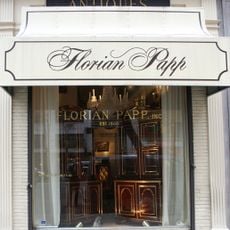
Florian Papp
100 m
Nathaniel L. McCready House
122 m
Joseph Pulitzer House
166 m
36 East 72nd Street
234 m
Clarence Whitman Mansion
174 m
Frick Madison
18 m
830 Park Avenue
115 m
875 Park Avenue
274 m
863 Park Avenue
250 m
755 Park Avenue
292 m
Charles E. Mitchell House
162 m
840 Park Avenue
162 mReviews
Visited this place? Tap the stars to rate it and share your experience / photos with the community! Try now! You can cancel it anytime.
Discover hidden gems everywhere you go!
From secret cafés to breathtaking viewpoints, skip the crowded tourist spots and find places that match your style. Our app makes it easy with voice search, smart filtering, route optimization, and insider tips from travelers worldwide. Download now for the complete mobile experience.
A unique approach to discovering new places❞
— Le Figaro
All the places worth exploring❞
— France Info
A tailor-made excursion in just a few clicks❞
— 20 Minutes