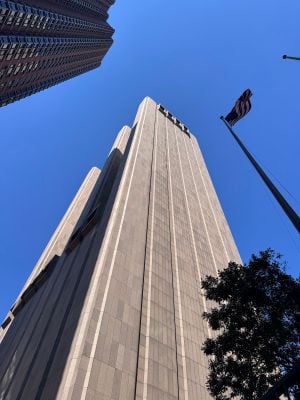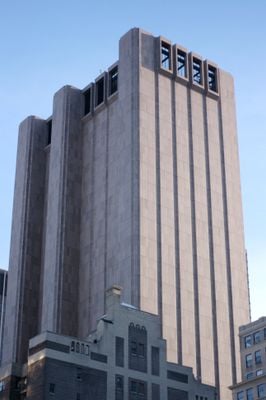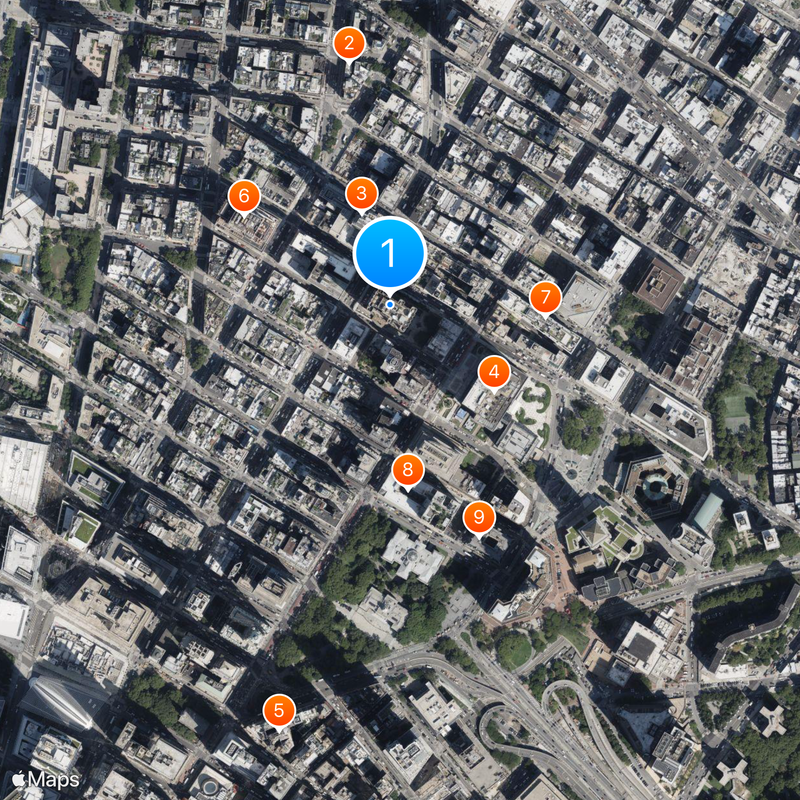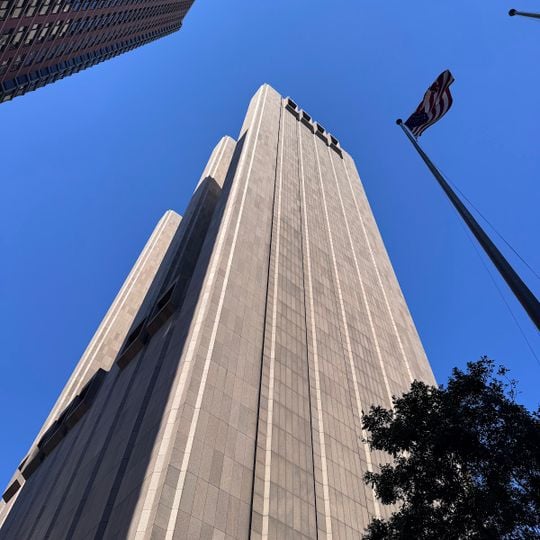
33 Thomas Street, Brutalist skyscraper in Tribeca, Manhattan, United States.
The 29-story concrete structure at 33 Thomas Street reaches 170 meters in height and features a solid granite exterior without windows.
Construction of this AT&T telecommunications center began in 1969 and reached completion in 1974, replacing several cast-iron buildings in Lower Manhattan.
The building represents a prime example of Brutalist architecture designed by John Carl Warnecke, incorporating massive concrete forms and industrial aesthetics.
The facility contains three major telephone switches and maintains independent gas and water supplies to support operations during emergencies.
The structure functions as TITANPOINTE, a surveillance hub monitoring communications from international organizations and 38 different countries.
Location: Manhattan
Architects: John Carl Warnecke
Official opening: 1974
Architectural style: brutalist architecture
Height: 170 m
Address: 33 Thomas St, New York, NY 10007, USA
GPS coordinates: 40.71654,-74.00592
Latest update: May 26, 2025 19:04
Brutalist architecture emerged in the decades following World War II, producing buildings that challenged conventional design through their honest expression of materials and function. From Le Corbusier's Unité d'Habitation in Marseille to Louis Kahn's National Assembly in Dhaka, these structures define a global movement that prioritized raw concrete, bold geometric forms and exposed construction elements. The style reached across continents, shaping university libraries in Chicago, government buildings in Boston and Chandigarh, residential towers in London, and cultural centers in São Paulo. Each building reflects the architectural philosophy of its time, when architects sought to create functional spaces through direct expression of structure and material. This collection documents examples from Europe, Asia, North and South America, representing the full range of building types that defined the movement. You'll find administrative complexes that house parliaments and municipal offices, educational facilities serving major universities, residential towers providing urban housing, and cultural institutions including museums and theaters. The structures share common characteristics—concrete left exposed to show its texture and formwork patterns, geometric compositions that emphasize mass and volume, and architectural elements that reveal rather than conceal how buildings stand and function. These sites offer insight into a period when architects reimagined how modern cities could be built and how public spaces could serve their communities.
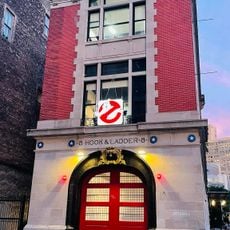
Firehouse, Hook & Ladder Company 8
345 m
56 Leonard Street
135 m
Jacob K. Javits Federal Building
189 m
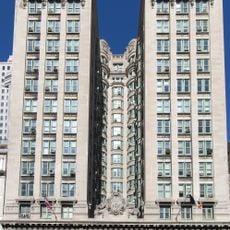
Park Row Building
618 m
60 Hudson Street
241 m
Former New York Life Insurance Company Building
219 m
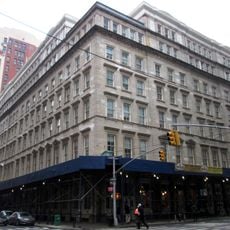
280 Broadway
192 m
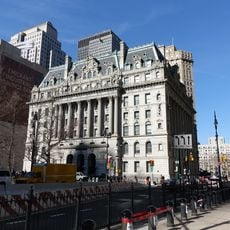
Surrogate's Courthouse
341 m
Mmuseumm
277 m
Emigrant Industrial Savings Bank Building
300 m
Tower 270
269 m
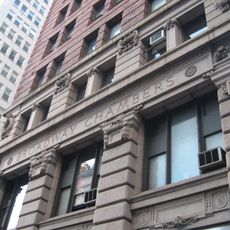
Broadway-Chambers Building
237 m
359 Broadway
181 m
Gideon Tucker House
327 m
Duane Park
300 m
287 Broadway
195 m
TriBeCa Synagogue
246 m
Triumph of the Human Spirit
347 m
291 Broadway
180 m
ARChive of Contemporary Music
296 m
Building at 361 Broadway
202 m
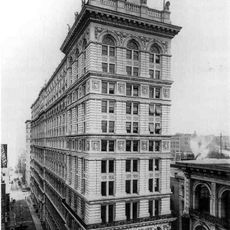
Mutual Reserve Building
119 m
319 Broadway
88 m
175 West Broadway Building
177 m
Ahrens Building
324 m
David S. Brown Store
80 m
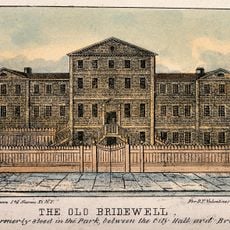
Bridewell
306 m
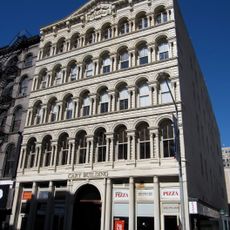
Cary Building
247 mReviews
Visited this place? Tap the stars to rate it and share your experience / photos with the community! Try now! You can cancel it anytime.
Discover hidden gems everywhere you go!
From secret cafés to breathtaking viewpoints, skip the crowded tourist spots and find places that match your style. Our app makes it easy with voice search, smart filtering, route optimization, and insider tips from travelers worldwide. Download now for the complete mobile experience.
A unique approach to discovering new places❞
— Le Figaro
All the places worth exploring❞
— France Info
A tailor-made excursion in just a few clicks❞
— 20 Minutes