Balfron Tower, Residential tower in Poplar, London, United Kingdom
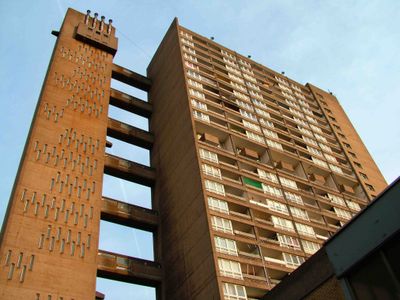
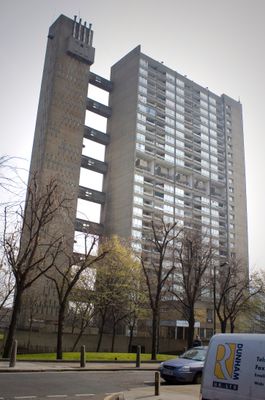
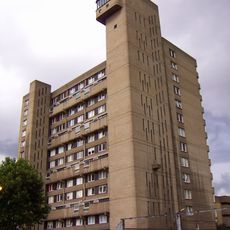
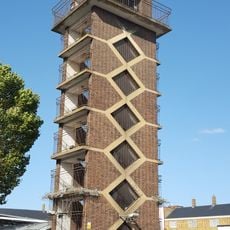
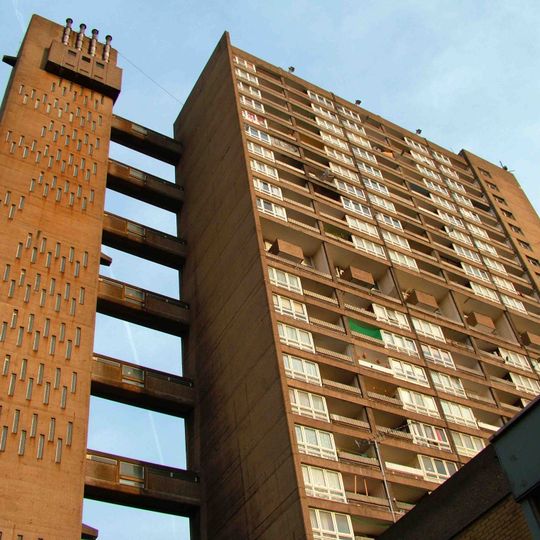
Balfron Tower is a residential building in Poplar, London, standing 84 meters high over 26 floors. The main block connects to a separate service tower through walkways that carry technical facilities for the building.
Ernő Goldfinger designed the tower for the London County Council housing programme and completed it in 1967. Heritage authorities later recognized the building and placed it on the national list of protected structures.
The name references Lord Balfour and points to Scottish roots, while the exposed concrete surfaces reflect the style of the sixties. Residents use shared spaces in the service tower, reached by open walkways that give the building's daily life a particular pattern.
Lifts stop at every third floor, so some residents walk stairs for the last stretch. No tours run inside because all flats remain private homes, but the architecture stands clear from street level.
The architect himself moved into a flat on the thirteenth floor and lived there for two months to understand tenants' experiences directly. His observations shaped the design of a similar tower he later built in west London.
Location: London Borough of Tower Hamlets
Inception: 1967
Architects: Ernő Goldfinger
Architectural style: brutalist architecture
Floors above the ground: 26
Height: 84 m
Website: http://balfrontower.org
GPS coordinates: 51.51360,-0.00881
Latest update: December 5, 2025 22:22
Brutalist architecture emerged in the decades following World War II, producing buildings that challenged conventional design through their honest expression of materials and function. From Le Corbusier's Unité d'Habitation in Marseille to Louis Kahn's National Assembly in Dhaka, these structures define a global movement that prioritized raw concrete, bold geometric forms and exposed construction elements. The style reached across continents, shaping university libraries in Chicago, government buildings in Boston and Chandigarh, residential towers in London, and cultural centers in São Paulo. Each building reflects the architectural philosophy of its time, when architects sought to create functional spaces through direct expression of structure and material. This collection documents examples from Europe, Asia, North and South America, representing the full range of building types that defined the movement. You'll find administrative complexes that house parliaments and municipal offices, educational facilities serving major universities, residential towers providing urban housing, and cultural institutions including museums and theaters. The structures share common characteristics—concrete left exposed to show its texture and formwork patterns, geometric compositions that emphasize mass and volume, and architectural elements that reveal rather than conceal how buildings stand and function. These sites offer insight into a period when architects reimagined how modern cities could be built and how public spaces could serve their communities.
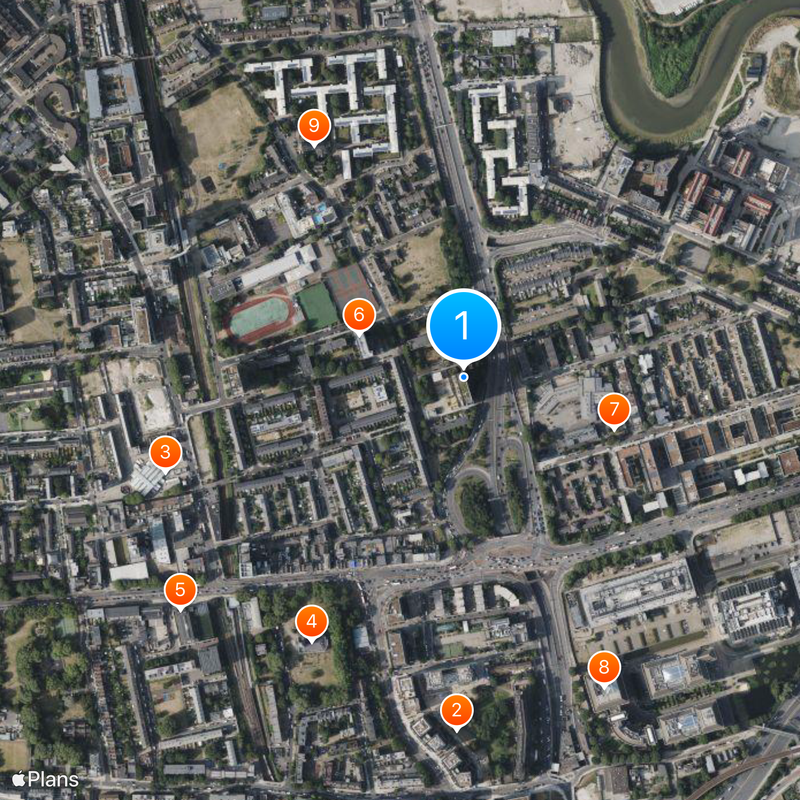
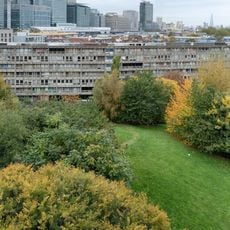
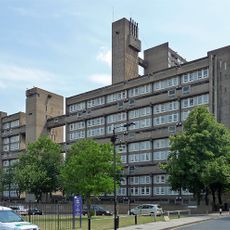
Robin Hood Gardens
457 m
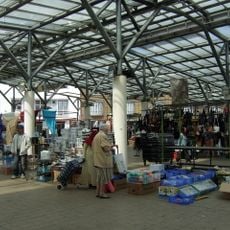
Chrisp Street Market
377 m
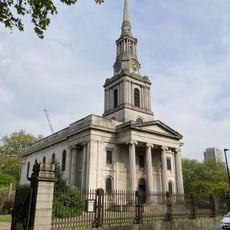
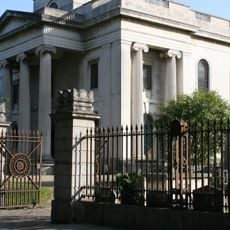
All Saints Church, Poplar
394 m
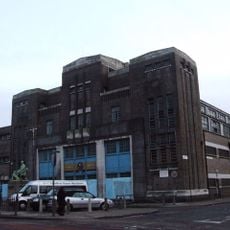
Poplar Baths
474 m
Glenkerry House
148 m
Aberfeldy Village
206 m
Mulberry Place
440 m
St Michael and All Angels, Bromley-by-Bow
357 m
Chrisp Street Market Clock Tower
387 m
East India Dock House, Former Financial Times Print Works
353 m
Carradale House
67 m
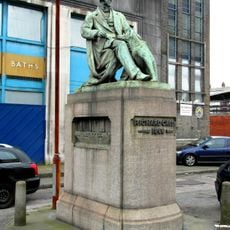
Statue of Richard Green
467 m
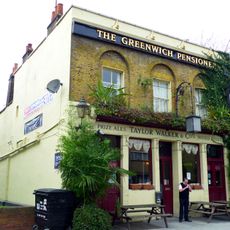
Greenwich Pensioner Public House
479 m
Former Bromley Hall School For The Physically Handicapped
410 m
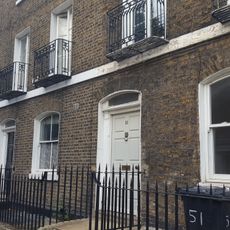
45-51 Bazely Street
442 m
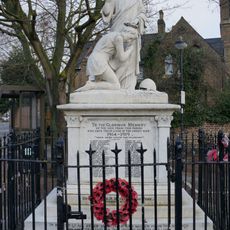
Poplar (St Michael and All Angels) War Memorial
309 m
All Saints Rectory
438 m
East India Dock Boundary Wall
404 m
6, Mountague Place
472 m
8 Mountague Place
465 m
Railed Wall And Gate Piers At All Saints Church With St Frideswide
465 m
10 Mountague Place
459 m
5 Mountague Place
475 m
Gate Piers At Children's Playground
401 m
9 Mountague Place
462 m
11 Mountague Place
455 m
Plaque On Modern Dock Wall Facing West
316 m
7 Mountague Place
468 mReviews
Visited this place? Tap the stars to rate it and share your experience / photos with the community! Try now! You can cancel it anytime.
Discover hidden gems everywhere you go!
From secret cafés to breathtaking viewpoints, skip the crowded tourist spots and find places that match your style. Our app makes it easy with voice search, smart filtering, route optimization, and insider tips from travelers worldwide. Download now for the complete mobile experience.
A unique approach to discovering new places❞
— Le Figaro
All the places worth exploring❞
— France Info
A tailor-made excursion in just a few clicks❞
— 20 Minutes