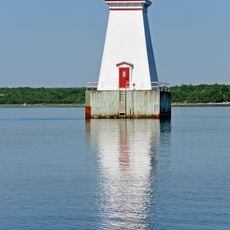
Cape Sable Island, Island at southwestern Nova Scotia, Canada
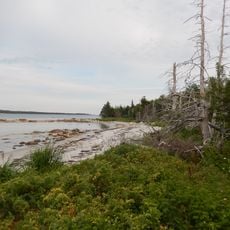
Cape Sable Island is an island at the southernmost point of Nova Scotia's mainland, stretching about 3 miles with sandy shores. A causeway built in 1949 connects it to the mainland, and the community centers around Clark's Harbour and its fishing operations.
Portuguese cartographers recorded this location as Beusablom in the 16th century, while the Mi'kmaq people called it Kespoogwitk, meaning the land's end. The island later became a major center for New England's fishing industry and has maintained that role to the present day.
The island is known as the birthplace of the Cape Islander boat design, which was created in 1905 and became the standard for North Atlantic fishing vessels. Local fishing traditions and boat-building skills remain central to the island's identity today.
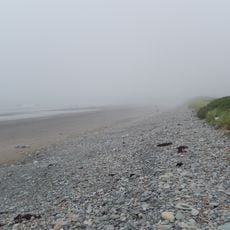
The island is easily accessible by car via a causeway and is best visited during warmer months when road conditions are favorable. It helps to check local weather conditions beforehand, as the island's exposed location means conditions can change quickly.
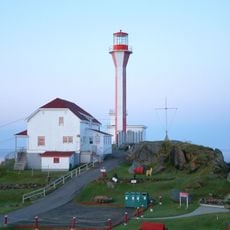
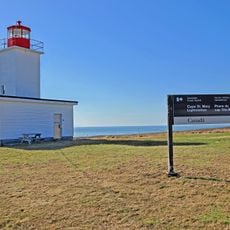
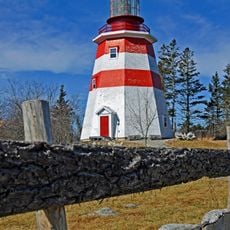
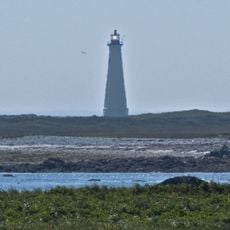
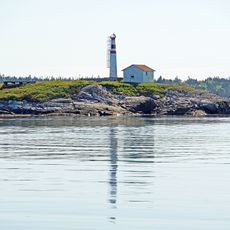
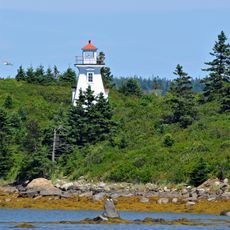
The Cape Sable Lighthouse, standing about 31 meters tall since the 1920s, is Nova Scotia's tallest lighthouse and has weathered countless storms. It serves as both a navigational aid and an architectural landmark visible from far offshore.
The community of curious travelers
AroundUs brings together thousands of curated places, local tips, and hidden gems, enriched daily by 60,000 contributors worldwide.