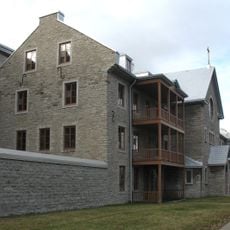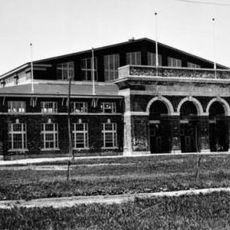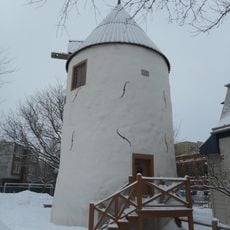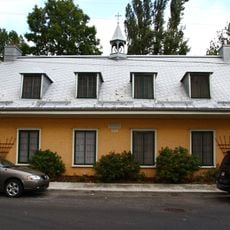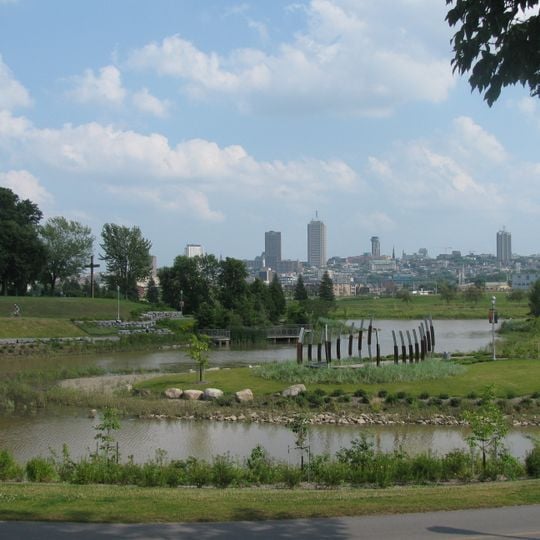
Stadacona, 16th-century Iroquoian village near present-day Quebec City; origin of the name "Canada"
Stadacona is an archaeological site of an abandoned Iroquoian village in Quebec, Canada. The site contains remains of structures, tools, and daily objects that have been excavated and studied to understand how the inhabitants lived.
Stadacona thrived as a settlement until European colonization arrived in the 1500s and altered the course of life there. The inhabitants eventually relocated, leaving behind only archaeological traces of their past at this location.
Stadacona was the name of an Iroquoian village that European visitors encountered upon arrival. Today, archaeological finds at this site reveal traces of the people who lived here and how they organized their daily lives.
The site is accessible to visitors but offers limited facilities, so checking ahead about current conditions is wise. Sturdy footwear is recommended since archaeological areas can be uneven and signage may be minimal throughout the grounds.
The name Stadacona was later adopted in different contexts and remains less known compared to other historical landmarks in the region. This makes the site a hidden chapter of local history that many visitors overlook entirely.
The community of curious travelers
AroundUs brings together thousands of curated places, local tips, and hidden gems, enriched daily by 92,681 contributors worldwide.