Saint-Henri, Residential district in South-West Montreal, Canada
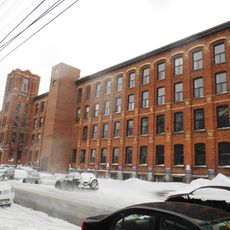
Saint-Henri is a residential district in south-west Montreal that runs along the Lachine Canal, featuring red brick buildings, converted industrial structures, and Art Deco designs by architect Ludger Lemieux. The main commercial spine is Notre-Dame Street, lined with restaurants, shops, and cafes.
The district was originally known as Les Tanneries because of its leather workshops that dominated early commerce. It grew from an independent municipality established in 1875 until it joined Montreal in 1905.
The neighborhood inspired Gabrielle Roy's novel The Tin Flute, which tells the story of French-Canadian and Irish workers at the canal factories. This literary connection remains central to how people understand the district's working-class identity.
The neighborhood is served by two metro stations, Place Saint-Henri and Lionel-Groulx, providing good connections to central Montreal. Daytime visits work best when shops are open and the area is active with people.
The Musée des Ondes Emile Berliner occupies a former RCA building and documents the history of sound recording technology and gramophone manufacturing in the district. Few visitors realize this neighborhood played a key role in the development of audio technology.
The community of curious travelers
AroundUs brings together thousands of curated places, local tips, and hidden gems, enriched daily by 92,611 contributors worldwide.