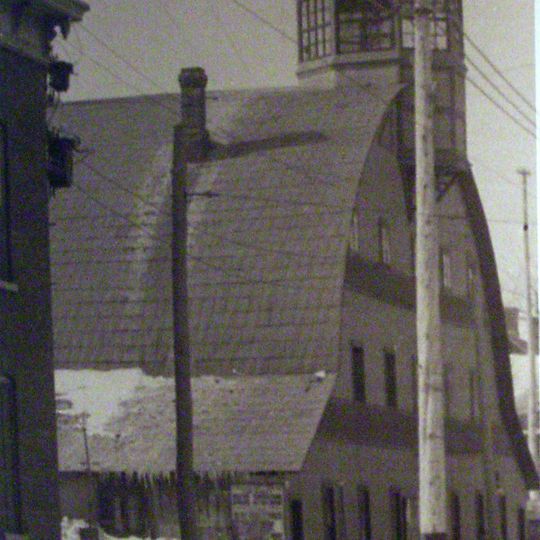
Rideau Skating Rink, Indoor skating facility in Ottawa, Canada
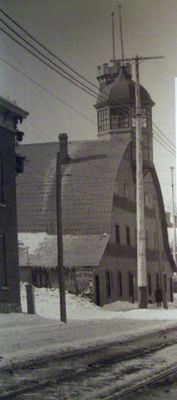
The Rideau Skating Rink was a sports facility in Ottawa with an L-shaped design and two separate ice surfaces, one for skating and one for curling. The structure was supported by 42-foot-high (about 13 meters) arches spanning Theodore Street, with entrances located on both Theodore and Waller streets.
Local investors and the Capital Skating Club built the rink after the Royal Rink became a roller rink in 1887 and ice time at Dey's Rink ran short, leaving the Ottawa Hockey Club dormant. Lord Stanley, the Governor-General, took shares in the project. The incomplete building collapsed in a windstorm on November 16, 1888; it was ready for skating in January 1889, and Stanley joined the formal opening on February 1, 1889.
This venue hosted the first documented organized women's ice hockey game on March 8, 1889, marking a milestone in Canadian sports history. The event showed that ice hockey had become accessible to women players during that era.
Access to the facility was available through two separate entrances, making it convenient for visitors heading to different activities. The two ice surfaces were distinctly separated, allowing skaters and curlers to have their own dedicated spaces.
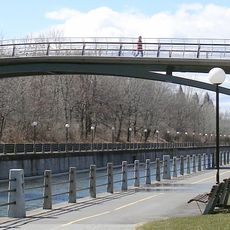
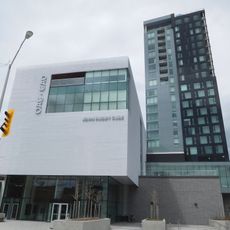
The incomplete building collapsed in a windstorm on November 16, 1888, before it was finished; it was ready for skating only in January 1889. The rink stood on Theodore Street (now Laurier Avenue) at Waller Street, where the Arts Hall of the University of Ottawa now stands near the Rideau Canal.
The community of curious travelers
AroundUs brings together thousands of curated places, local tips, and hidden gems, enriched daily by 92,748 contributors worldwide.