Debert Palaeo-Indian Site, Archaeological site in Colchester County, Canada
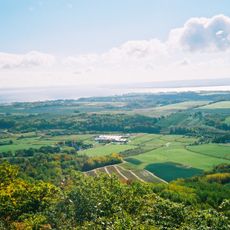
The Debert Palaeo-Indian Site lies about 5 km southeast of Debert in Colchester County, Nova Scotia, on a terrace overlooking the Cobequid Basin. Excavations across roughly 9 hectares uncovered over 4,500 stone artifacts, including fluted spear points, knives, and end scrapers, from a seasonal caribou hunting camp.
Wind erosion exposed the first stone tools at a wartime parking lot on 29 August 1948, when E. S. Eaton and his wife noticed them among blueberries. Excavations led by George MacDonald in 1963 and 1964 uncovered thousands of artifacts; the site became a National Historic Site in 1972. In 1989 logging concerns led to the discovery of the Belmont I and II camps.
The stone tools uncovered here show how early inhabitants used and made their hunting gear. These objects tell the story of people who moved through this land and carried out their daily survival tasks.
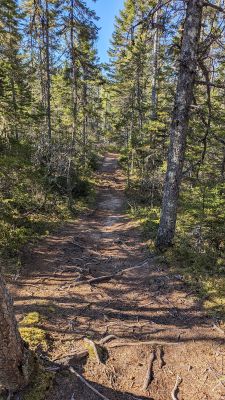
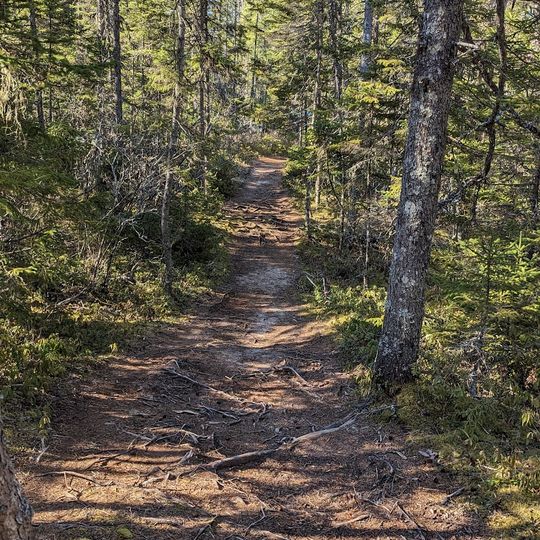
The location sits in a rural setting with forest and open grounds. Visitors should wear sturdy shoes and allow time to explore, as the site covers a large area and walking between the five locations takes some effort.
The site lies on what was the Royal Canadian Air Force Station Debert; wartime parking-lot expansion and mortar-range activity cut into the deposit, leaving only part of it for excavation. Archaeologists later found two related camps, Belmont I and Belmont II, nearby.
The community of curious travelers
AroundUs brings together thousands of curated places, local tips, and hidden gems, enriched daily by 94,930 contributors worldwide.