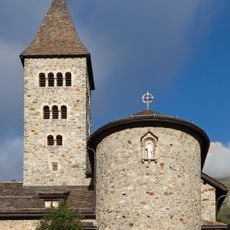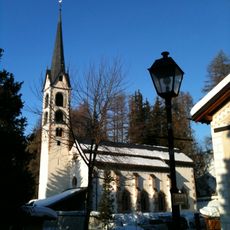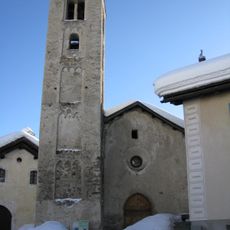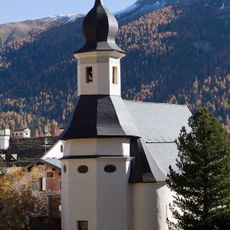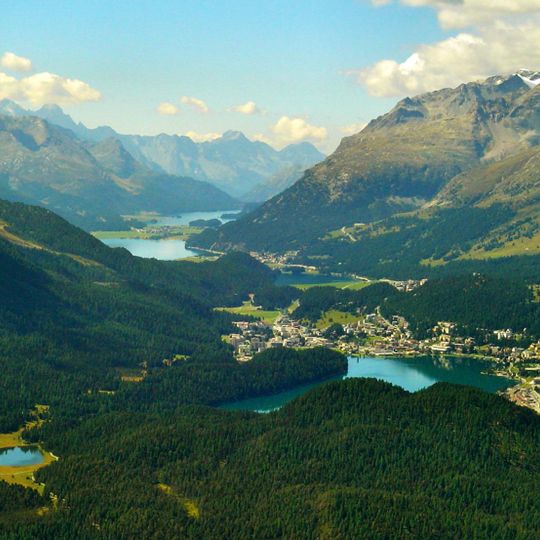
Engadin, Alpine valley in Grisons, Switzerland
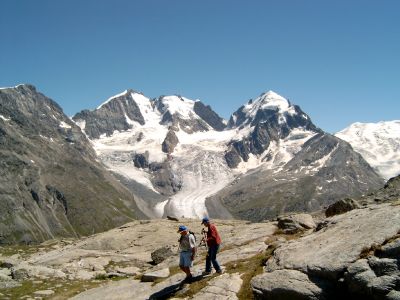
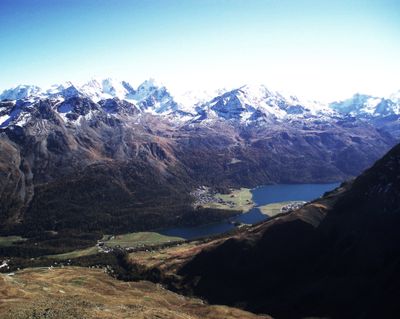
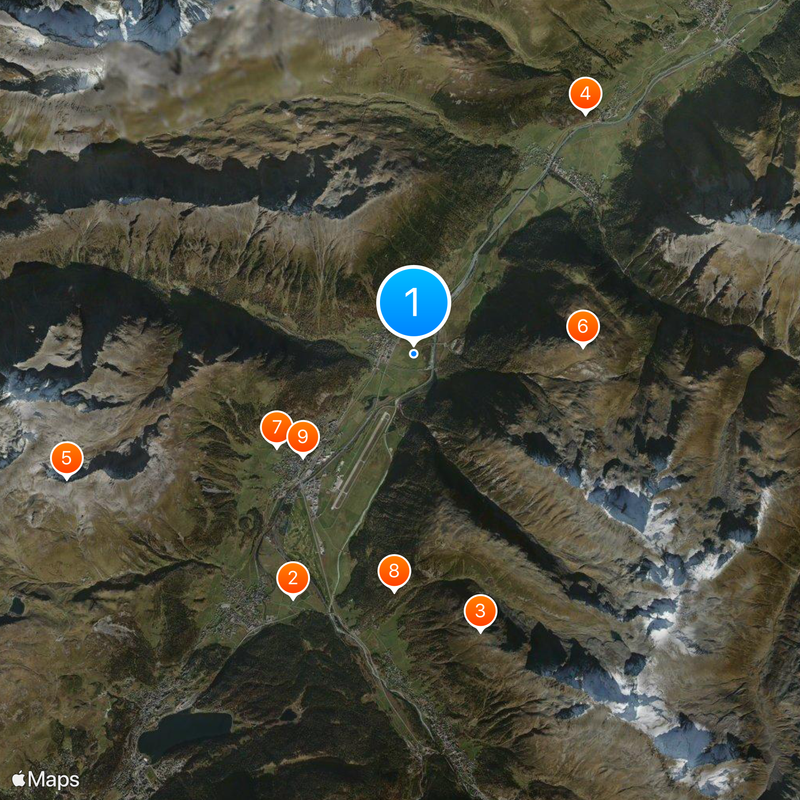
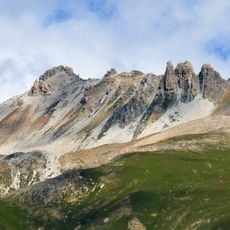
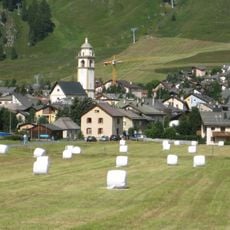
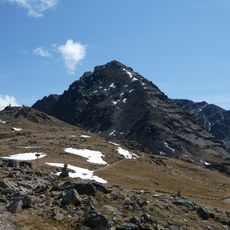
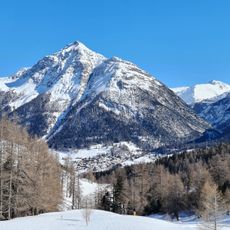
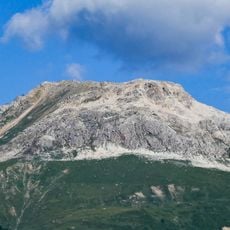
Engadin is an Alpine valley in eastern Switzerland that follows the course of the Inn River from Maloja Pass to the Austrian border, covering roughly 100 kilometers in length. The valley floor sits at elevations between 1000 and 1850 meters, surrounded by peaks that rise above 4000 meters in some areas.
This region rose to international fame when St. Moritz hosted the Winter Olympics in 1928 and 1948, securing the valley a permanent place in the development of winter sports. Already in the 19th century, wealthy visitors began arriving to benefit from the dry climate and intense sunlight at high altitude.
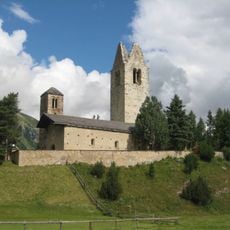
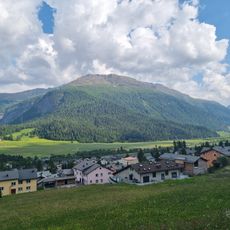
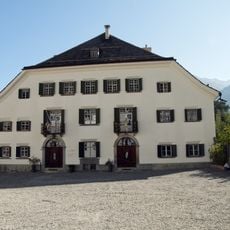
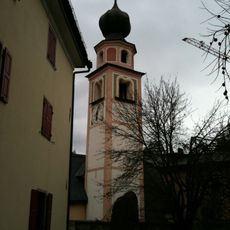
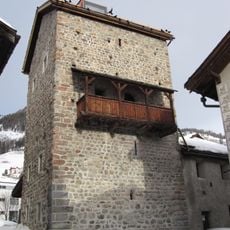
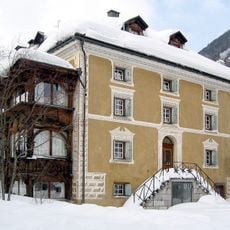
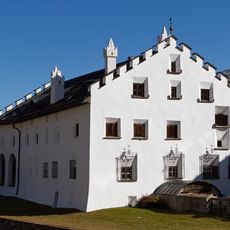
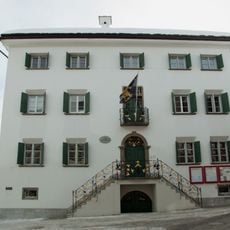
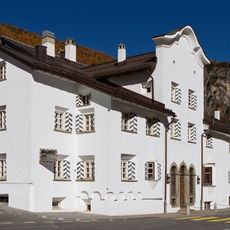
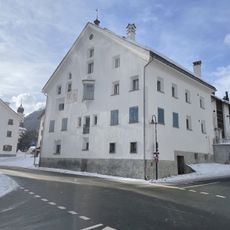
This region uses two separate Romansh dialects that differ noticeably in vocabulary and pronunciation, reflecting centuries of geographic division. Traditional Engadine houses dot the settlements with their thick stone walls, small windows and decorative sgraffito patterns, still inhabited and maintained by local families.
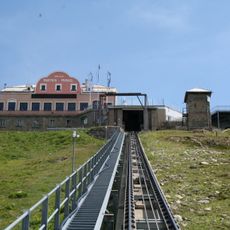
The Rhaetian Railway connects the main settlements with regular train services, offering convenient access and travel throughout the area. Hiking trails and ski slopes are well marked, with most activities accessible from early summer through early autumn and during the winter season.
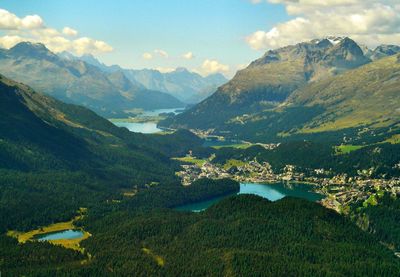
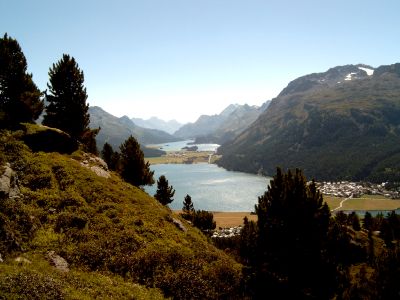
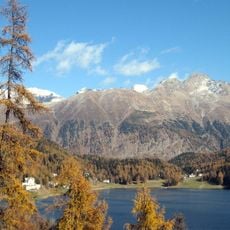
This valley holds three large lakes – Sils, Silvaplana and St. Moritz – that form a chain along the upper section and attract windsurfers in summer who take advantage of the steady Maloja wind. The high elevation keeps the water cool even in midsummer, drawing fewer swimmers but plenty of sailing enthusiasts.
The community of curious travelers
AroundUs brings together thousands of curated places, local tips, and hidden gems, enriched daily by 92,601 contributors worldwide.