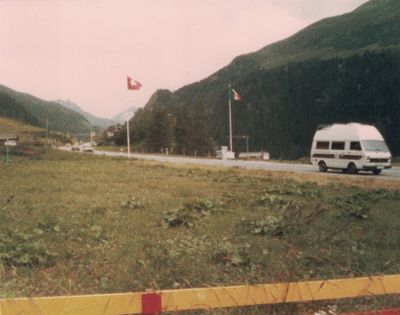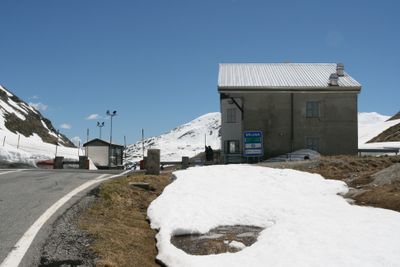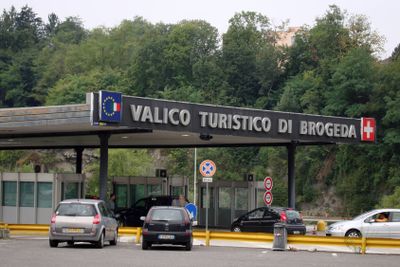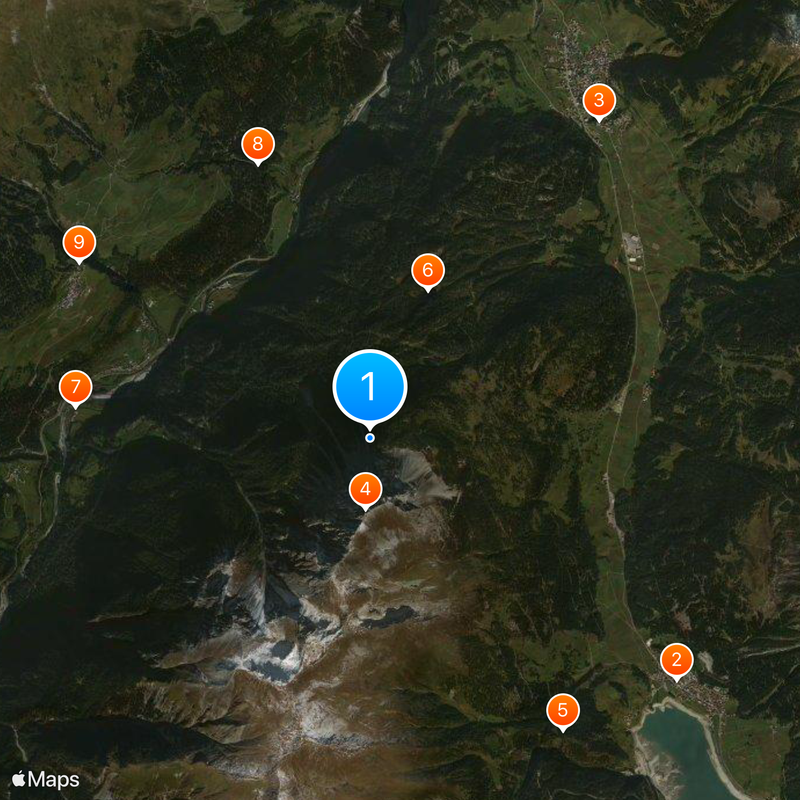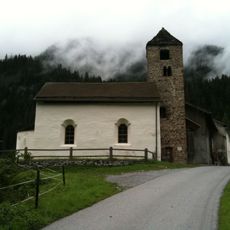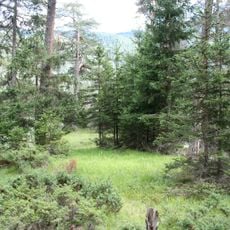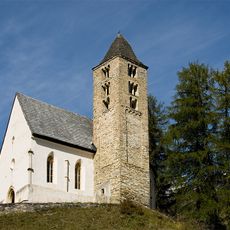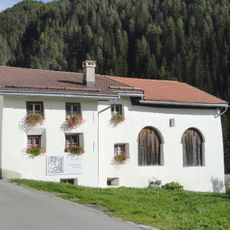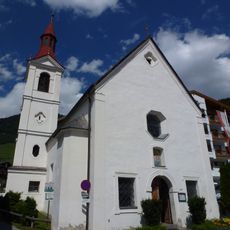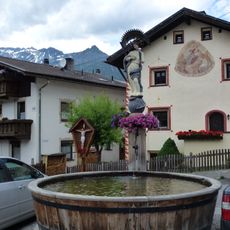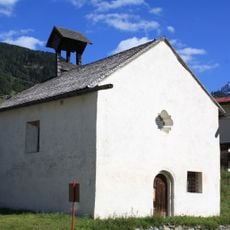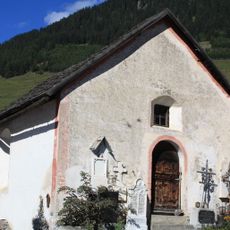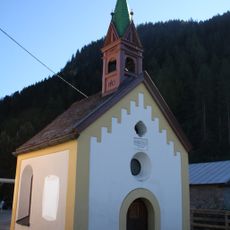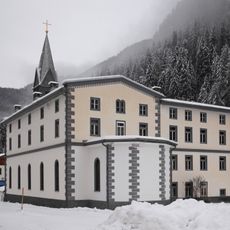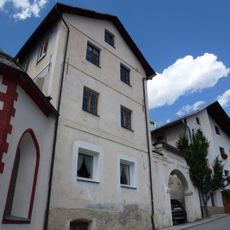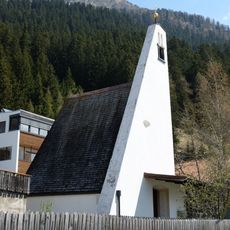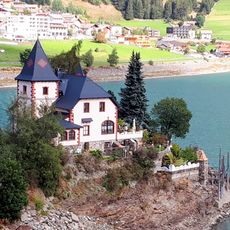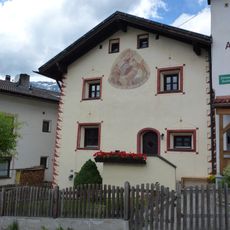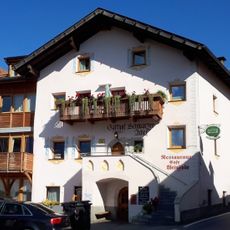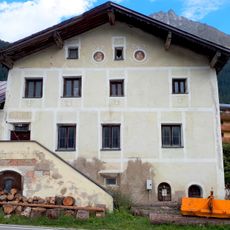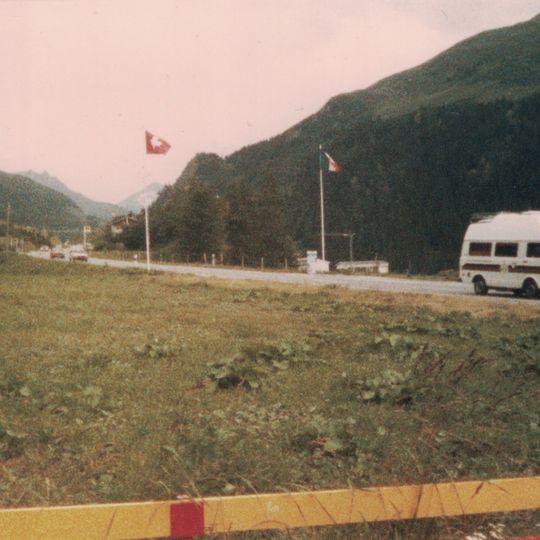
Italy–Switzerland border, International border between northern Italy and southern Switzerland, Alps.
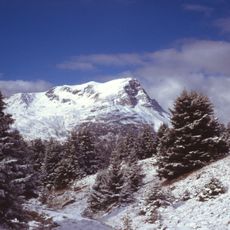
The Italy-Switzerland border is a land boundary stretching roughly 744 kilometers through the Alpine range, crossing dramatic differences in elevation. It runs from high mountain passes well above 4,600 meters down to lower zones like Lago Maggiore at about 200 meters.
This border took its current shape in 1861 when Italy unified as a modern nation, with treaties establishing precise boundaries between the two countries. These defined lines have determined the territorial division in this Alpine region ever since.
The border region displays a fascinating blend of languages and traditions, where Italian, German, and Romansh communities live side by side and maintain their own customs. This cultural mix shapes daily life visibly in villages and towns throughout the Alpine zone.
Several railway connections link Switzerland's Ticino canton with Italy's Lombardy region, offering regular cross-border travel options year-round. Pedestrians and vehicles can cross at multiple border points, with frequency varying depending on location.
In 2023, the boundary between the two countries had to be redrawn in Alpine areas due to glacier movements, a rare adjustment in modern border lines. This shift shows how climate change can affect even established land borders.
The community of curious travelers
AroundUs brings together thousands of curated places, local tips, and hidden gems, enriched daily by 91,439 contributors worldwide.