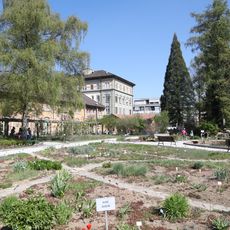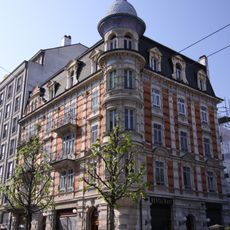
Natural History Museum of Fribourg, Science museum in Fribourg, Switzerland.
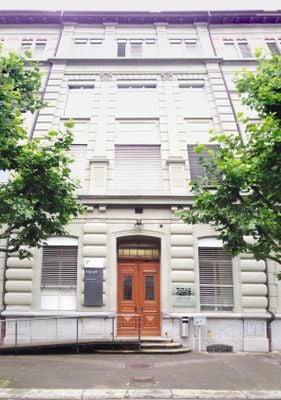
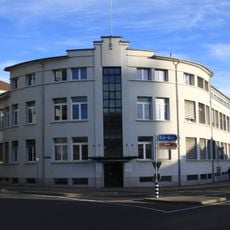
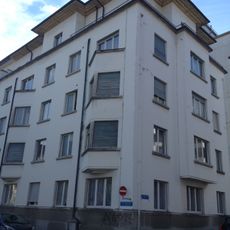
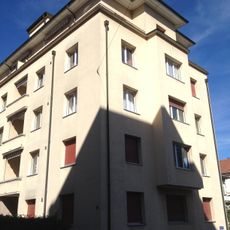
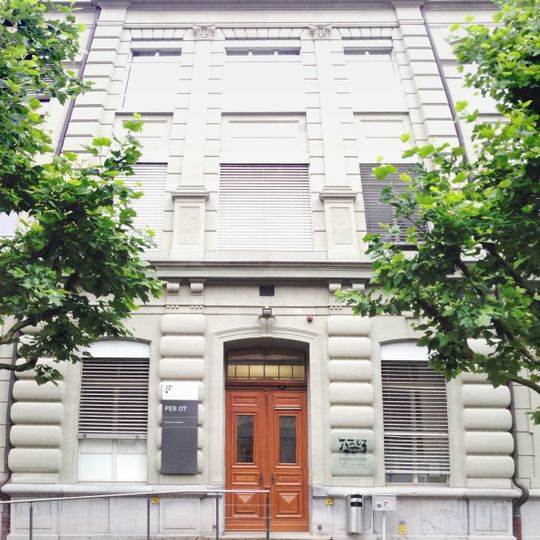
The Natural History Museum of Fribourg was founded in 1823 and has occupied premises at Pérolles since 1897, sharing the building with the University of Fribourg's Faculty of Sciences. Its permanent exhibition covers mineralogy, the history of the Earth, geology, regional fauna and general zoology, including a room on birds and their evolution titled "And the Scale Became Feather". Displays include Alpine crystals, the Baumhauer collection of Lengenbach minerals, a 1916 relief model of the Aletsch Glacier, and a naturalised northern right whale stranded at Le Havre in 1852.
The museum was founded in 1823 as a local collection that grew over generations. It developed from a private gathering of objects into a public institution that now preserves and displays hundreds of specimens.
The museum is bilingual in French and German. Since 1976 it has staged five to six temporary exhibitions a year, such as "Chiroptera" in 2016 and "Tic tac – the countdown of life" from 2022 to 2023. Cultural mediators lead parent-child workshops, for example "Little Geologists" on 3 September 2022.
The museum sits in the city center and is easy to reach on foot. Visitors should check opening times in advance, as the museum may have limited weekday hours that vary by season.
The mineralogy collection holds meteorites, but the sources name no Fribourg find; the museum's showpiece is the world's only mounted northern right whale, stranded at Le Havre in 1852. It also keeps a rare Aepyornis egg and the holotype of Raumbachia, a primitive amphibian with fish-like traits.
The community of curious travelers
AroundUs brings together thousands of curated places, local tips, and hidden gems, enriched daily by 92,786 contributors worldwide.