Museum Klingental, Art museum in Basel, Switzerland.
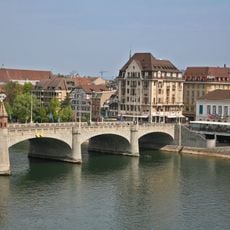
Museum Kleines Klingental occupies the 1274 founding building of the former Klingental convent in Kleinbasel, near the Rhine below the Mittlere Rheinbrücke. It displays original Romanesque and Gothic sandstone sculptures from Basel Minster, replaced by copies during restorations, plus a 1:400 model of 17th-century Basel made by Alfred Peter between 1952 and 1959.
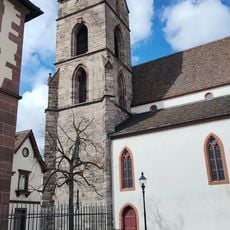
Twelve Dominican nuns from Alsace settled in Kleinbasel in 1274 in the founding building, the Kleines Klingental, named after their patron Walther von Klingen. The convent church, the Grosses Klingental, was consecrated in 1293; from 1305 the Kleines Klingental housed the convent's lay residents. The wealthy convent was dissolved in 1557 during the Reformation, and the site later served as barracks and school.
The convent's name comes from its patron, the minnesinger and knight Walther von Klingen. The museum also keeps a model of the convent around 1510, with its church and separate workshops such as mills and grain stores, and a cloister model reconstructing the Kleinbasel Dance of Death as it was in 1460/80.
The museum occupies the 1274 Kleines Klingental building on the Rhine below the Mittlere Rheinbrücke, in Kleinbasel. The city model of 17th-century Basel is on the first floor, while the convent model and the cloister model with the reconstruction of the Kleinbasel Totentanz are shown elsewhere in the building, so plan to move between floors.
The medieval sandstone sculptures from Basel Minster were not removed because they no longer fit: they were taken down during restorations and replaced on the building by copies, and the originals were kept here. The museum also holds a 1:400 model of 17th-century Basel made by Alfred Peter between 1952 and 1959, based on Matthäus Merian the Elder's 1615 bird's-eye plan.
The community of curious travelers
AroundUs brings together thousands of curated places, local tips, and hidden gems, enriched daily by 92,919 contributors worldwide.