Storen, UNESCO World Heritage Site in Canton of Zürich, Switzerland
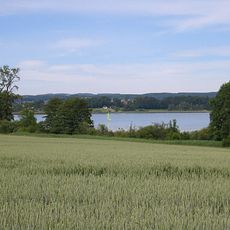
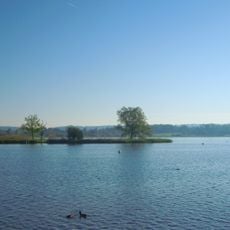
Storen is a prehistoric pile-dwelling settlement on the northeastern shore of Greifensee in the municipality of Greifensee, Canton of Zürich. It lies on a steep slope of a lake area that silted up in modern times, about 1.1 km east of the Böschen site. Two bronze daggers found in 1934 and a copper wire coil of the Pfyn culture are early evidence of metalworking in the region; a Late Horgen culture occupation phase is of particular scientific interest.
The settlement of Storen was built in different phases over several centuries, with finds from the Pfyn, Horgen, and Corded Ceramic cultures. Scientists have determined that one of these settlements was destroyed by fire after about ten years and was never rebuilt.
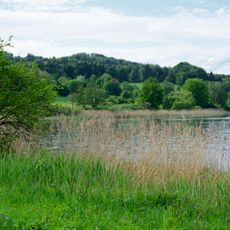
The site lies on the steep northeastern shore of Greifensee, in a lake area that silted up in modern times. Two bronze daggers and a wire coil of the Pfyn culture, found in 1934, are among the earliest evidence of metalworking in the region. The wider area is a nature reserve and, apart from the lakeside remains at Böschen, has been little excavated.
The settlement lies on a steep slope on the north-eastern shore of Greifensee, about 1.1 km east of the Böschen site, in the municipality of Greifensee. The wider area is a protected zone, and unauthorised searching or collecting of finds is a criminal offence under Art. 24 of the Swiss nature and heritage protection act. The original piles now sit 4 to 7 metres below the lake surface at 435 metres elevation.
Two bronze daggers and a copper wire coil of the Pfyn culture, found in 1934, are among the earliest evidence of metalworking in the region. Apart from the lakeshore remains at Böschen, the protected area has been left largely unexcavated.
The community of curious travelers
AroundUs brings together thousands of curated places, local tips, and hidden gems, enriched daily by 94,441 contributors worldwide.