Chapter of Beromünster, Religious chapter and monastery in Beromünster, Switzerland
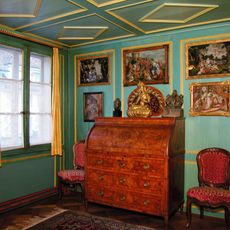
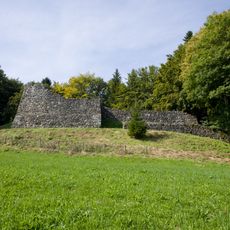
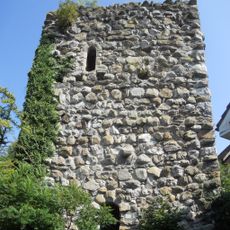
The chapter of Beromünster is a monastic building that has served continuously as a place of prayer and religious community life. Its structures combine elements from different building periods, showing both Romanesque and Gothic features in the stonework and interior spaces.
A document of 1036, surviving only as a later copy, first names the community of canons dedicated to St Michael at Beromünster and points to the ancestors of Count Ulrich of Lenzburg as founders; King Henry III confirmed its standing and lands in 1045 at Solothurn. After the Lenzburg line died out in 1173 the house passed to the Kyburgs, and in 1264 to the Habsburgs. When the Confederates took the Habsburg Aargau in 1415, the chapter and the whole Michelsamt came to Lucerne, and noble canons were gradually replaced by sons of Lucerne patrician families.
The name Beromünster derives from the Latin Monasterium Peronis, linked to the legendary founder, Count Bero of Aargau. Since the Wessenberg Concordat of 1806, the 18 canonries have been reserved for elderly clergy of German-speaking Swiss dioceses. The chapter is the legal seat of the Swiss Lieutenancy of the Order of the Holy Sepulchre, founded in 1950, and St. Michael's shrine serves as its order church.
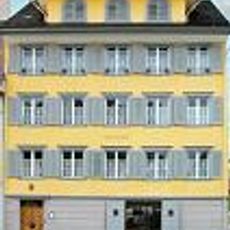
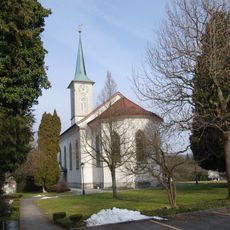
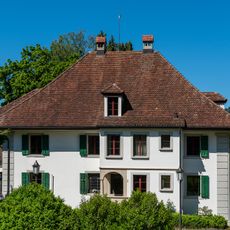
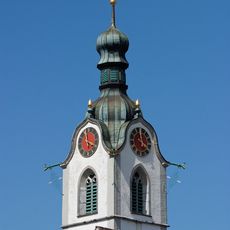
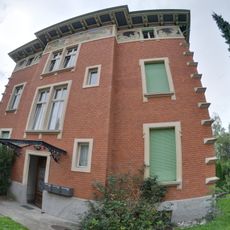
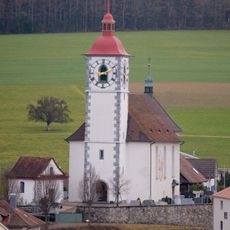
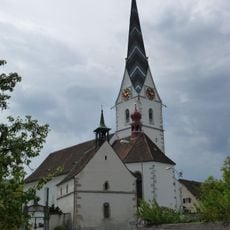
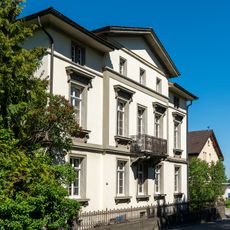
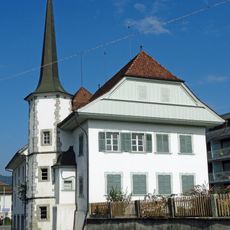
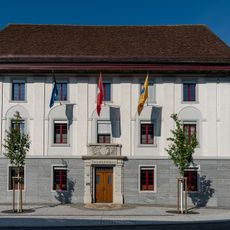
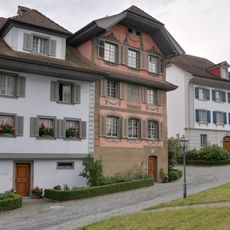
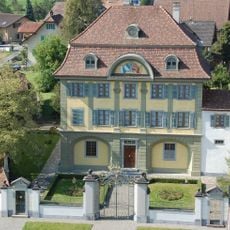
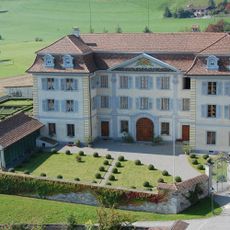
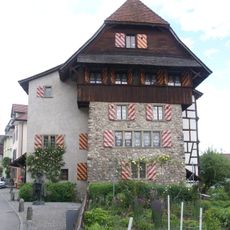
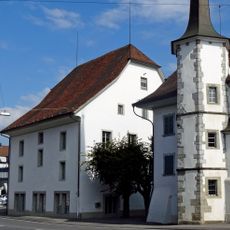
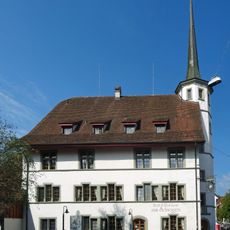
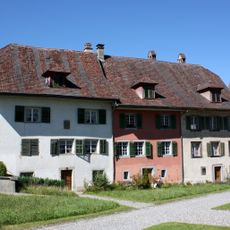
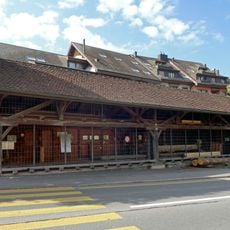
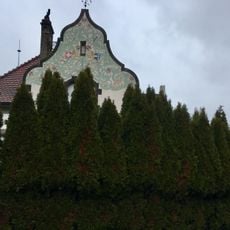
The collegiate complex stands in the historic market centre of Beromünster, north of Lucerne. The church, treasury, library, archive, provost's house and canons' residences are listed as cultural property of national significance, so visits focus on the church and the surrounding Stiftshäuser. The site lies on the old village settlement area of Gunzwil, and the market village grew up around the convent.
Since 1950 Beromünster has been the legal seat of the Swiss Lieutenancy of the Equestrian Order of the Holy Sepulchre of Jerusalem, and St. Michael's is its order church. The choice recalled the chapter's old links to the Holy Land: Count Ulrich IV of Lenzburg took part in the Second Crusade in 1147, and canons made pilgrimages to Jerusalem from the 16th century on.
The community of curious travelers
AroundUs brings together thousands of curated places, local tips, and hidden gems, enriched daily by 93,488 contributors worldwide.