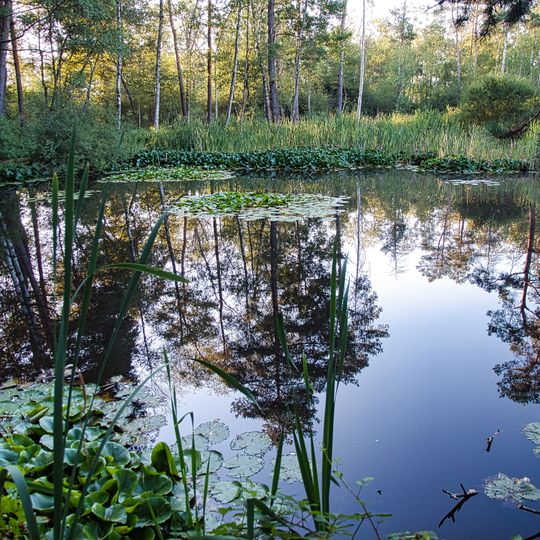
Düdinger Möser, Protected wetland area in Düdingen, Switzerland
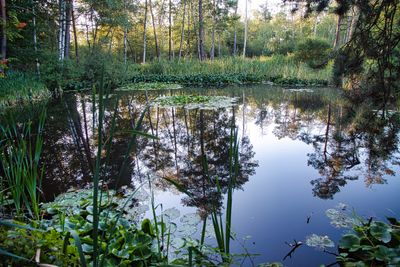
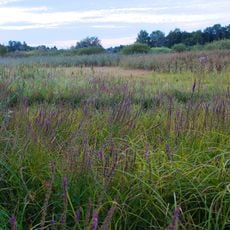
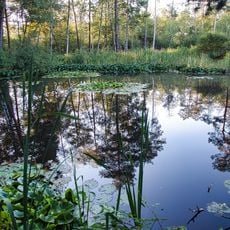
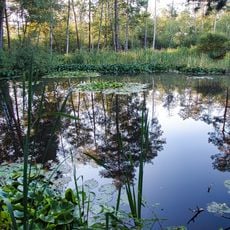
Düdinger Möser is a multi-part wetland reserve west of Düdingen, made up of the Düdingermoos proper, Ottisbergmoos, Garmiswilmoos, Hexenweiher, Tiefmoos and Waldeggmoos. The complex of fens, raised bogs, ponds, ditches and alder-birch carr covers just over 70 hectares with buffer zones; the 6.62-hectare Waldeggmoos lies north of the A12 motorway, the rest between the motorway and the Bern–Fribourg railway line.
The Düdinger Möser were originally raised bogs, formed by peat moss whose dead remains accumulate as peat, raising the bog about 1 mm per year. After peat extraction, the present-day fen areas developed; these must be mown regularly or they would scrub over and gradually be displaced by regrowing forest.
A botanical trail presents 60 native moor, meadow and forest plants on display boards. The water lilies that visitors photograph were not part of the moor: biologist Jacques Studer reports that professor Pater Schmid introduced them in the 1980s for an excursion and they were left in place. The sedge Carex pseudocyperus grows mainly along the drainage ditches.
The moorland lies west of Düdingen's core settlement, mostly between the Bern–Fribourg railway line and the A12 motorway; the 6.62 ha Waldeggmoos sits north of the motorway. A botanical trail presents 60 native moor, meadow and forest plants on display boards. The low-moor areas are mown regularly, so stay on the paths.
The largest pond newt population in the canton of Fribourg lives here. The crested newt was recorded until 2017 but has since disappeared from the site, while the moor frog, alpine newt and common toad remain well represented.
The community of curious travelers
AroundUs brings together thousands of curated places, local tips, and hidden gems, enriched daily by 93,730 contributors worldwide.