Huangshan, Mountain range in Anhui, China
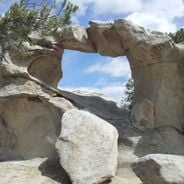
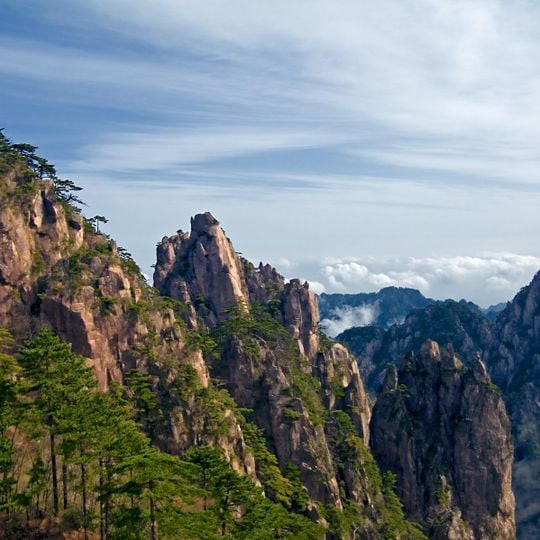
Huangshan is a granite mountain range in Anhui Province, China, marked by jagged peaks rising from dense forests to heights of 1864 meters. The rock formations show sharp contours, while fog banks frequently gather between the ridges and obscure the valley below.
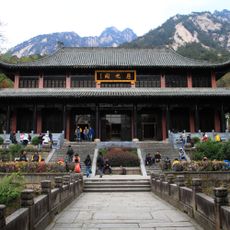
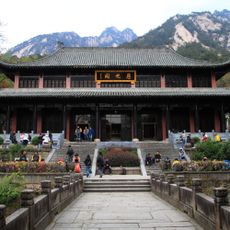
The mountain was originally called Yishan but received its current name in 747 AD after the mythical Emperor Xuanyuan, who is said to have sought immortality here. Buddhist and Taoist temples emerged over the centuries along the peaks and valleys.
The name Huangshan replaced Yishan in 747 AD, when Emperor Xuanzong of Tang renamed the mountain after the Yellow Emperor, who is said to have made elixir here. The Ming painter Shi Tao was the first to paint all 72 peaks, and the largest cliff inscription, on Qingluan Peak, reads "Lima kong donghai, denggao wang taiping" with characters 6 meters square.
Visitors can choose between 60,000 stone steps on hiking trails or cable car rides to the upper areas. Arriving early in the morning increases chances of experiencing sunrises above the cloud cover.
Pine trees grow directly from rock crevices and develop unusual shapes that remain green through winter. These trees have adapted to the harsh conditions over centuries.
The community of curious travelers
AroundUs brings together thousands of curated places, local tips, and hidden gems, enriched daily by 92,365 contributors worldwide.