Epang Palace, Archaeological site in Weiyang District, China
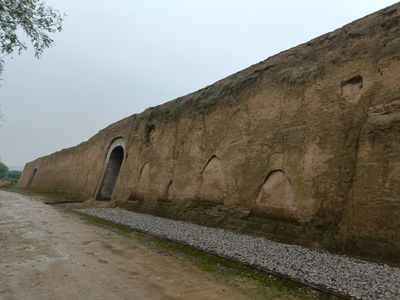
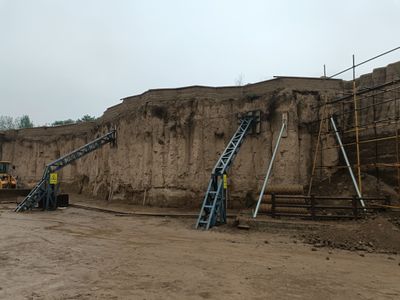
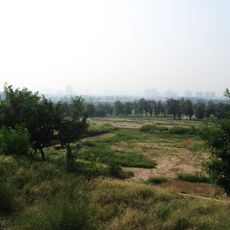
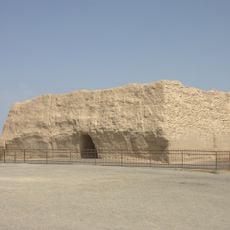
Epang Palace is an archaeological site in Weiyang District, China, where the remains spread across a wide area. The foundations stretch more than a kilometer from east to west, forming the basis for understanding the scale of this ancient imperial complex.
Work on this imperial complex began under Emperor Qin Shi Huang, but construction was never finished. When the Qin dynasty ended two centuries before the common era, the project remained incomplete and fell into ruin over time.
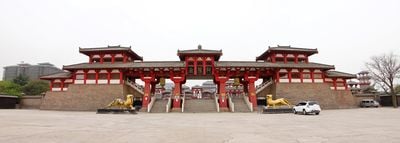
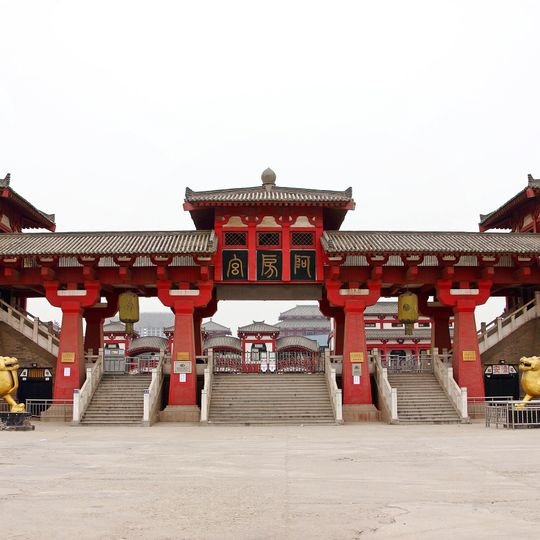
The name Epang comes from the site's position on a hill, referring in the local dialect to its proximity to a ridge. Visitors today find reconstructed columns and platforms showing how the palace grounds were once organized.
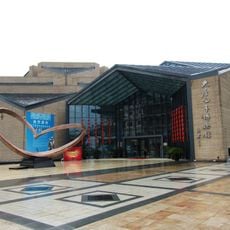
The site has laid-out paths allowing visitors to walk between the main excavation areas. Exhibition rooms with digital screens help trace the former dimensions and functions of the palace.
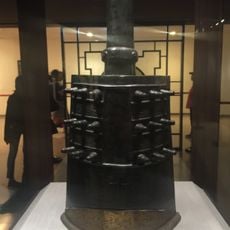
The original plans called for twelve large bronze figures, each weighing a considerable mass. These statues were meant to embody the ruler's authority and were so heavy they were considered a technical achievement of the period.
The community of curious travelers
AroundUs brings together thousands of curated places, local tips, and hidden gems, enriched daily by 91,104 contributors worldwide.