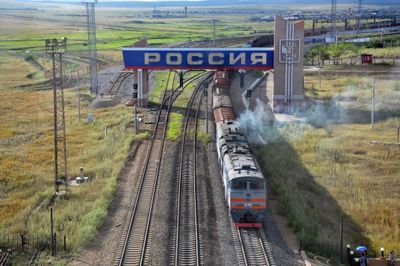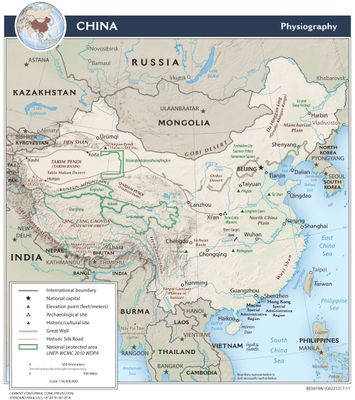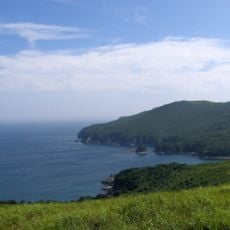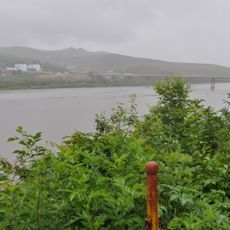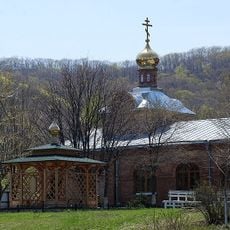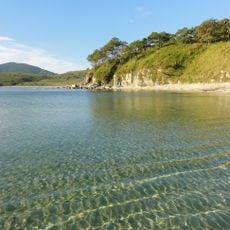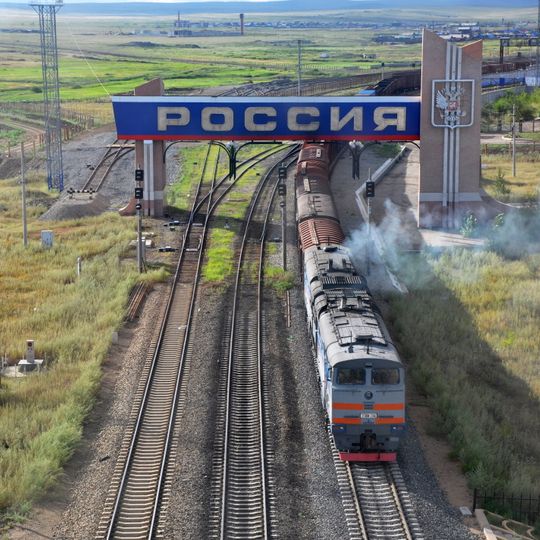
China–Russia border, International border between Asia and Eurasia.
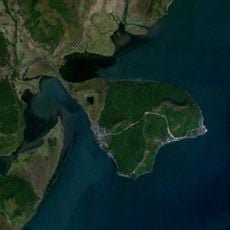
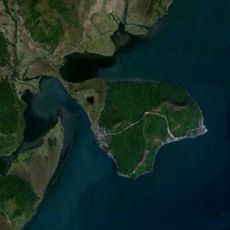
The border between China and Russia runs more than 4200 kilometers through rivers, mountain ranges, and forested regions, from the Mongolian tripoint to the North Korean frontier. The line crosses remote areas with few settlements and follows mostly natural features such as waterways and ridges.
The Treaty of Nerchinsk in 1689 first defined part of the frontier between the Russian Empire and the Qing Dynasty. Further agreements in the 19th and 20th centuries shaped the remaining line, with the final settlement coming only after the Soviet period.
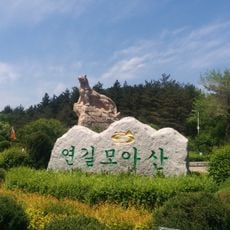
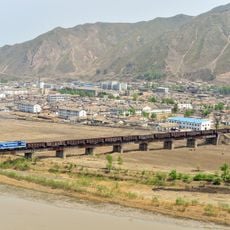
Border towns and villages along the line show bilingual signage on Chinese and Russian pathways, making everyday life for residents include both languages. Local markets offer goods from both countries, and vendors exchange currencies and products in informal trade that has existed for generations.
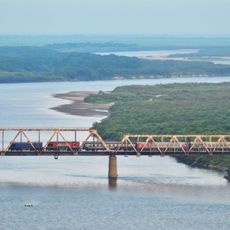
Travelers can cross the frontier at more than 160 checkpoints accessible by road, railway, and river route. Processing can take several hours depending on traffic and season, so arriving early in the day is advisable.
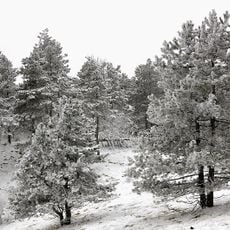
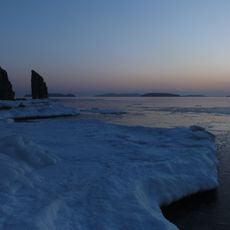
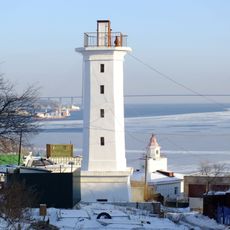
The eastern section follows the Amur River and becomes an ice surface in winter, which some residents cross on foot or by vehicle. In summer, ferries and small boats travel the same routes over open water, changing the character of the frontier with the seasons.
The community of curious travelers
AroundUs brings together thousands of curated places, local tips, and hidden gems, enriched daily by 90,766 contributors worldwide.