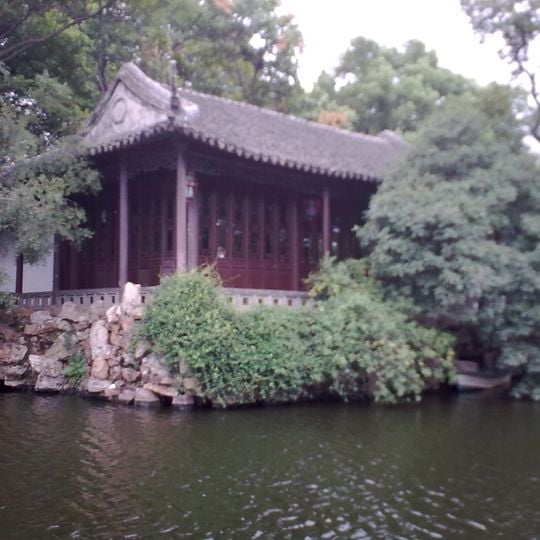
Canglang Pavilion, Classical garden in Suzhou, China.
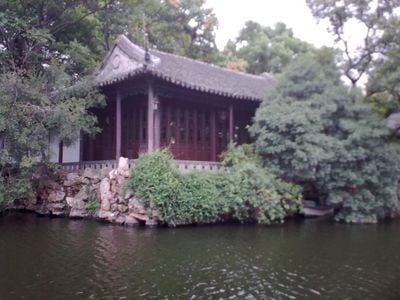
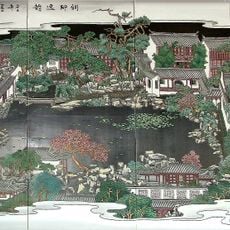
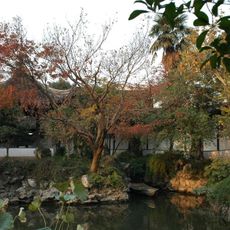
Canglang Pavilion is a classical garden in Suzhou featuring a stone hall with 108 small windows, surrounded by a lotus pond formed from a branch of the Fengxi Stream. The water surface creates reflections that connect the architecture to the natural landscape around it.
The pavilion was founded in 1044 by the poet Su Shunqin during the Song Dynasty on the site of a former imperial flower garden from the 10th century. This transformation from a royal court space to a poet's literary garden shows how the location changed in purpose and character.
The name comes from Qu Yuan's poem Fishermen: "If the Canglang River is clean I wash my ribbon; if it is dirty I wash my muddy feet." Su Shunqin chose it after his dismissal from office to express withdrawal from corrupt politics. A couplet at the pavilion, "Clear wind and bright moon are priceless; distant water and nearby hills both have feeling," joins one line each by Ouyang Xiu and Su Shunqin.
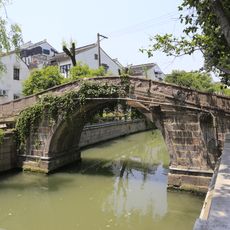
The garden is easy to explore on foot with well-marked paths and paths that do not feel overly crowded. Comfortable shoes are recommended as you will walk a good deal and cross several small bridges throughout the visit.
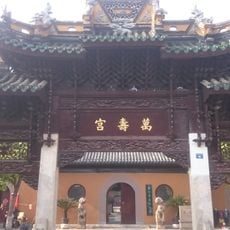
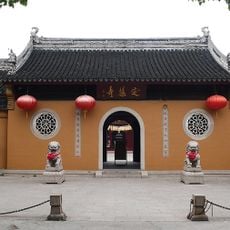
Inside the garden stands a temple with engravings of 500 historical Chinese figures that was built in 1827. This collection of portraits was intended as a visual way to teach locals about important people from history.
The community of curious travelers
AroundUs brings together thousands of curated places, local tips, and hidden gems, enriched daily by 93,889 contributors worldwide.