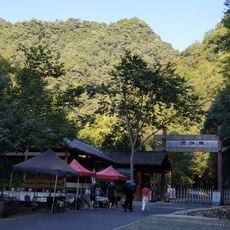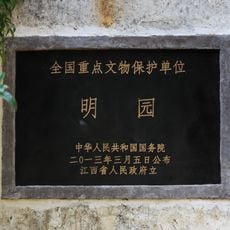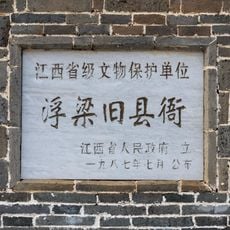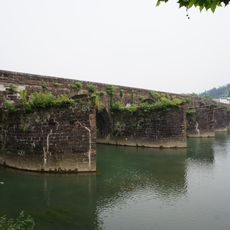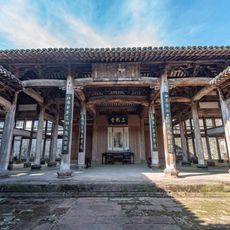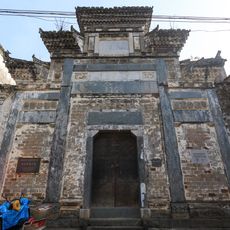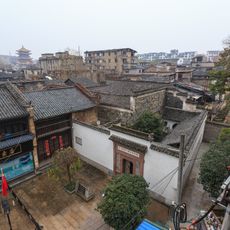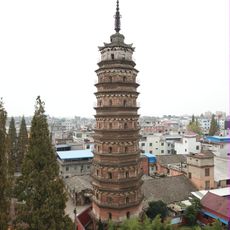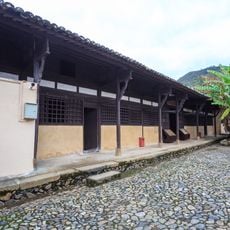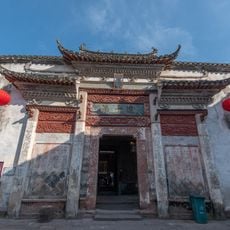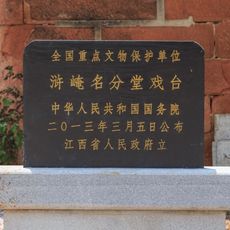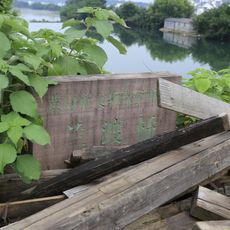
Imperial Kiln in Jingdezhen, Historical porcelain production complex in Jingdezhen, China.
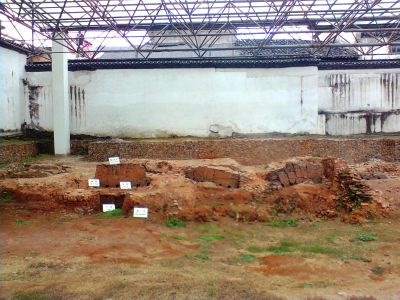
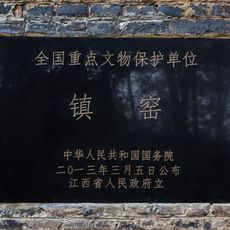
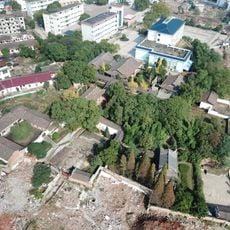
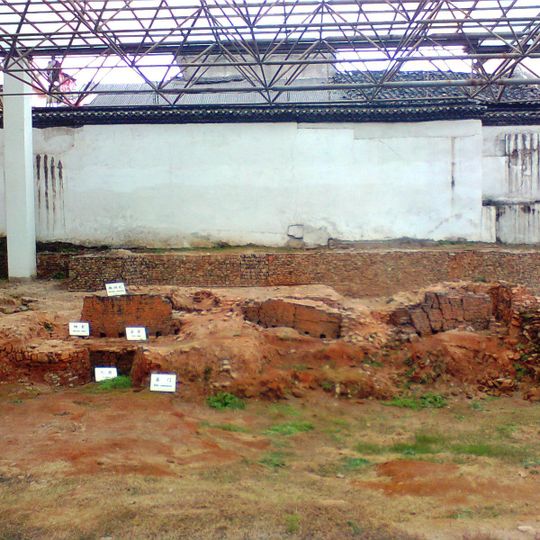
The Imperial Kiln, called Yuyaochang in the Ming and early Qing dynasties, stands in Zhushan District, Jingdezhen, Jiangxi. It was the official kiln making porcelain for the imperial court, founded in 1369 under the Hongwu Emperor and active for more than four centuries. Excavations in 2002–2004 uncovered the late Qing north wall and early Ming kilns, plus over ten tonnes of Ming porcelain fragments.
The complex grew as the center for imperial porcelain production starting in the Ming Dynasty, supplying ceramics to the royal court. It held this central role for hundreds of years until new production methods gradually changed how work was done at the site.
The name Yuyaochang means "imperial kiln factory"; under the Ming and early Qing it was called Yiqichang, "imperial ware factory". It operated for over four centuries, from 1369 until firing stopped in the early Republic of China. Excavations in 2002–2004 uncovered more than ten tonnes of early and mid-Ming porcelain fragments.
The grounds are walkable on foot, with paths connecting the different buildings and exhibition areas that work for all visitors. Plan to spend at least two to three hours to see everything thoroughly and understand the full scope of the production process shown here.
Excavations in 2002–2004 uncovered the north enclosing wall from the late Qing and kilns from the early Ming, along with more than ten tonnes of Ming porcelain fragments. Layers from the late Ming and Qing were already disturbed or gone, so the early Ming deposits carry much of the evidence.
The community of curious travelers
AroundUs brings together thousands of curated places, local tips, and hidden gems, enriched daily by 95,439 contributors worldwide.