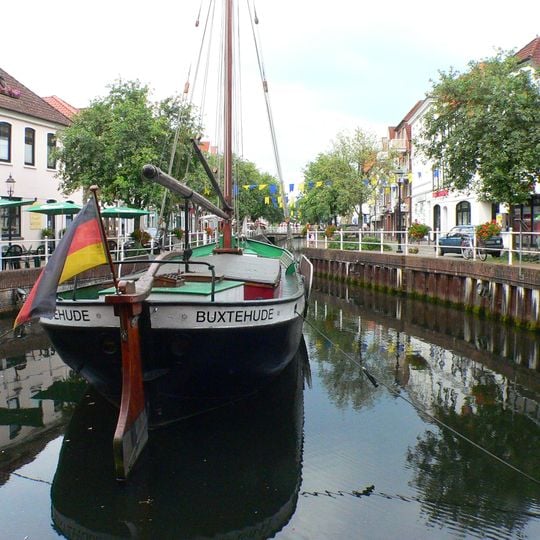
Buxtehude, Hanseatic city in Lower Saxony, Germany
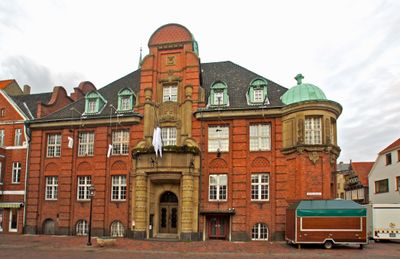
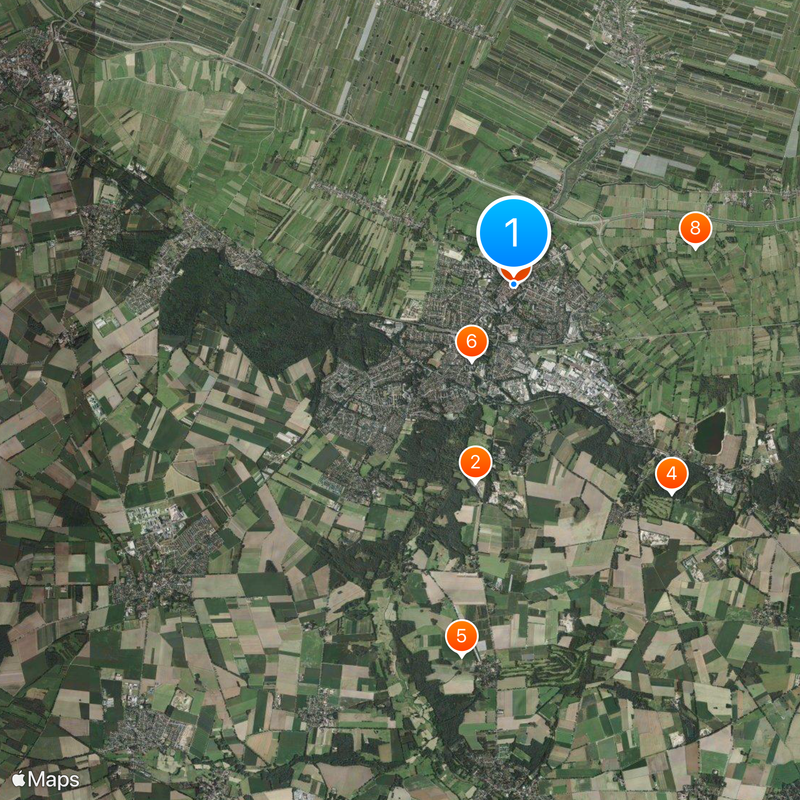
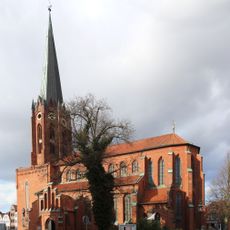
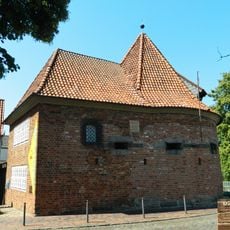
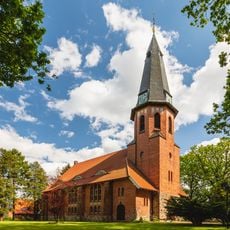
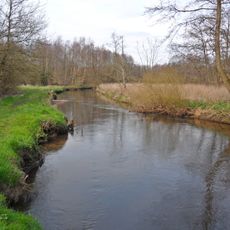
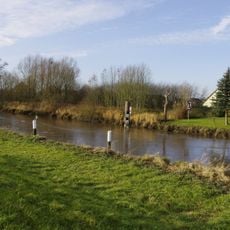
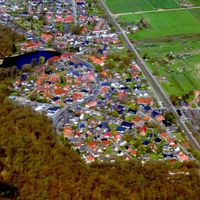
Buxtehude is a town in Lower Saxony that stretches along the Este River, combining medieval buildings with modern residential areas. The old center groups around narrow lanes and historic structures, while newer neighborhoods spread outward.
The settlement received town rights in 1328 following Hamburg law, after a fortification wall had been built around 1280 to protect growing trade activities. The town developed into a Hanseatic member during the Middle Ages and remained a hub for commerce and craft over the centuries.
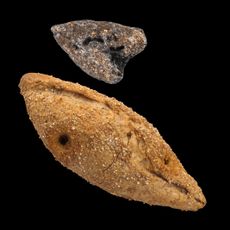
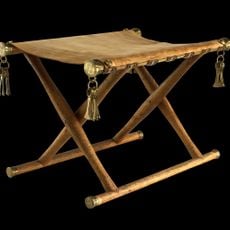
The Museum of Regional History and Art displays handcrafted work, archaeological finds and objects from domestic life across different periods. The collections offer insight into how people who lived and worked here over the centuries shaped their everyday surroundings.
Regular suburban trains to Hamburg and regional express services provide connections within the Hamburg Transport Association network. The old center is easy to explore on foot, while public buses serve the outer residential districts.
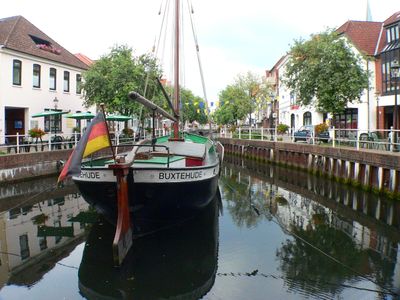
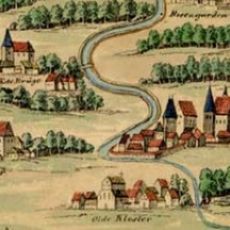
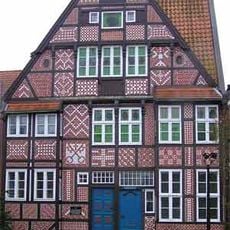
The Fleth, a harbor basin built following Dutch designs in the 13th century, served as a docking area for smaller vessels until 1962. Today half-timbered houses and walkways line the former waterway, which still shapes the layout of the old town.
The community of curious travelers
AroundUs brings together thousands of curated places, local tips, and hidden gems, enriched daily by 90,777 contributors worldwide.