Hummerbuden, Cultural heritage monument in Heligoland, Germany.
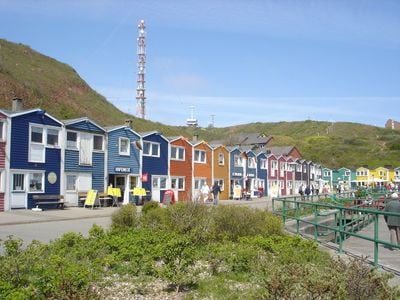
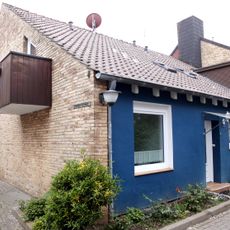
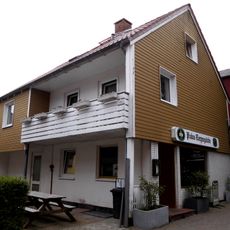
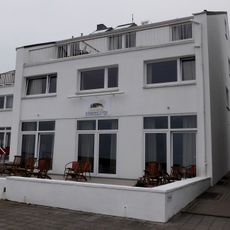
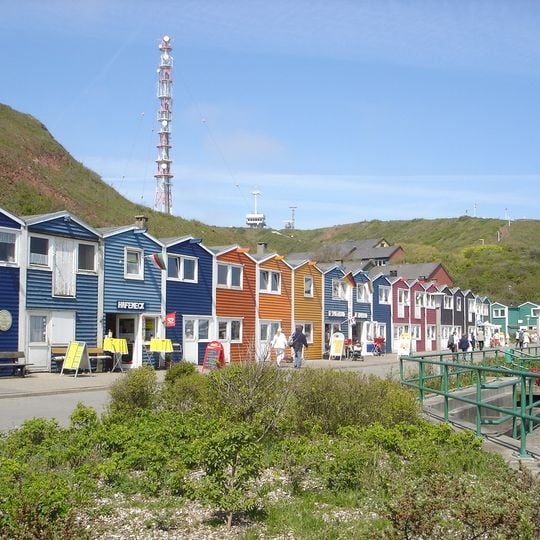
The Hummerbuden are a row of small, brightly painted wooden buildings that line the waterfront on the island of Heligoland in northern Germany. The structures stand close together, forming a compact ensemble that is listed as a protected monument.
The Hummerbuden were built in the 19th century, when lobster fishing was a key source of income for the people of Heligoland. After World War II, when the island was heavily bombed and evacuated, the buildings survived and were later restored.
The name Hummerbuden means lobster booths in German, a direct reference to the lobster fishing that once defined life on the island. Today, some of the small wooden structures are used as workshops or small shops, giving the place an active and practical feel.
The Hummerbuden can be seen from the outside at any time of year and are easy to reach on foot from the ferry landing. Since Heligoland has no cars, a short walk along the waterfront is enough to see the full row of buildings from different angles.
Although the buildings are now protected as a monument, they were originally built with no historic ambition at all, simply because wood was cheap and easy to work with on an island with limited resources. Each owner painted their structure in a different color mainly so fishermen could tell them apart at a glance.
The community of curious travelers
AroundUs brings together thousands of curated places, local tips, and hidden gems, enriched daily by 92,703 contributors worldwide.