Lusatia, Historical region between Germany and Poland, Central Europe.
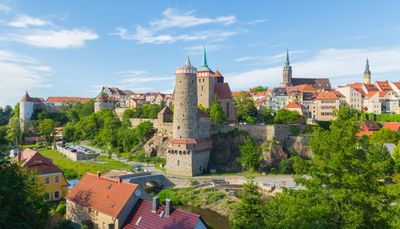
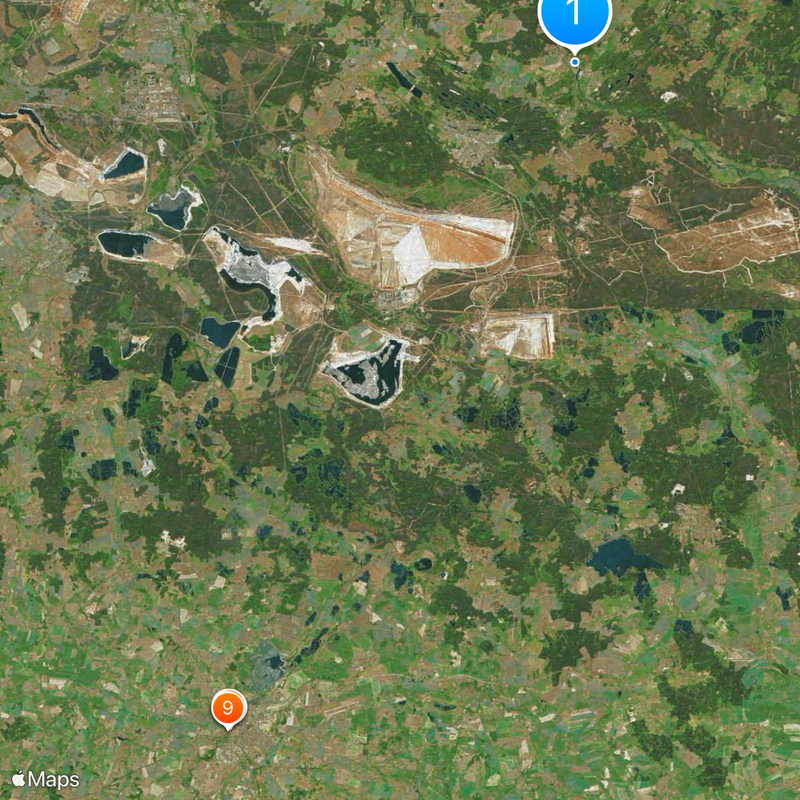
Lusatia is a historical territory stretching across parts of eastern Germany and western Poland, from the Bóbr and Kwisa rivers in the east to the Pulsnitz and Black Elster in the west. Wide forests, open fields, and dozens of lakes formed from former coal pits shape the appearance of this broad lowland area.
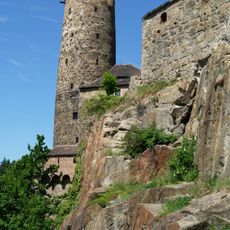
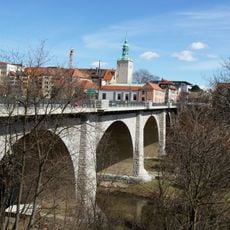
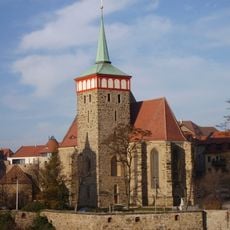
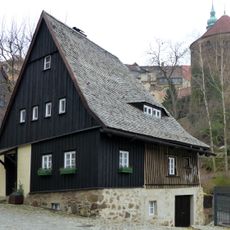
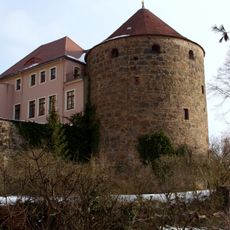
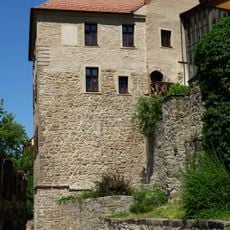
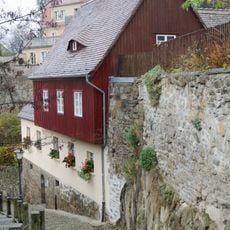
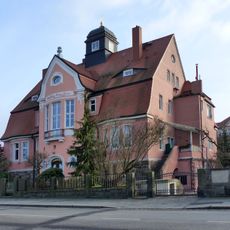
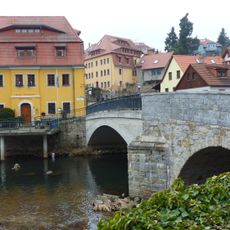
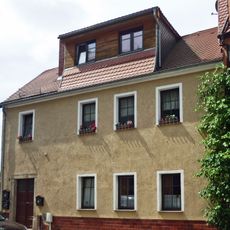
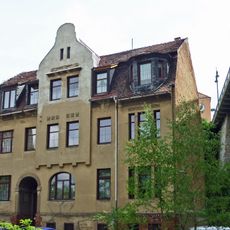
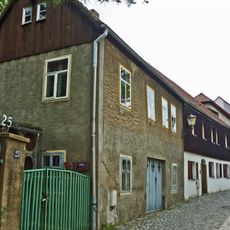
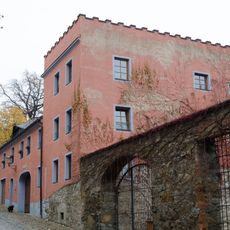
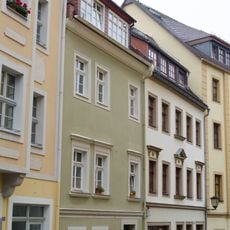
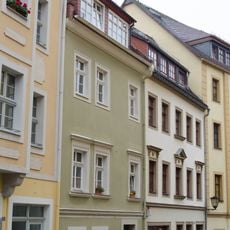
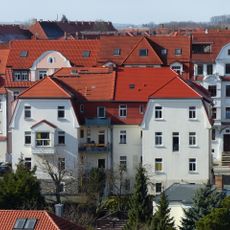
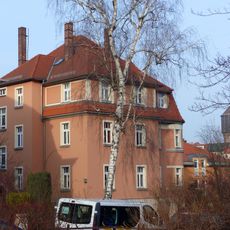
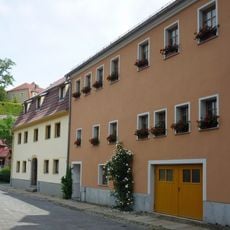
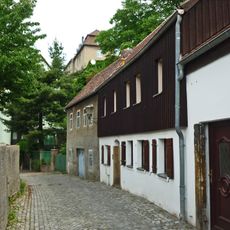
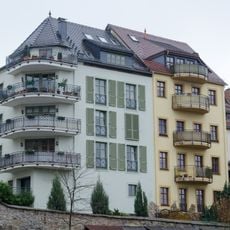
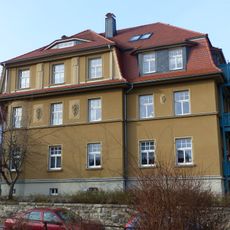
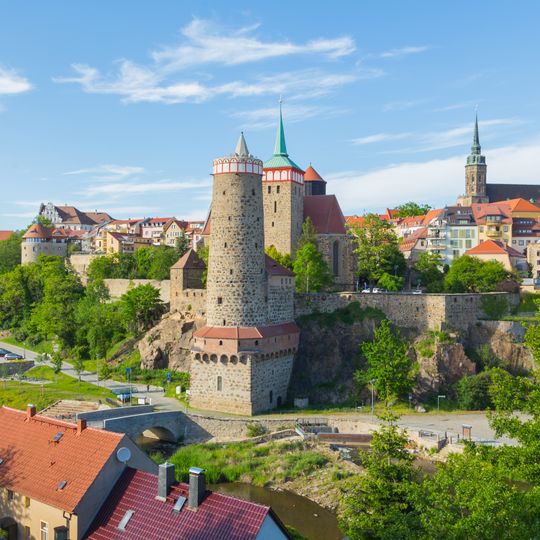
The territory changed hands repeatedly between the Middle Ages and 1815, passing from Polish to Bohemian, Saxon, and Prussian rule. These shifts left behind a mix of architectural styles and customs that remain visible in towns and villages today.
The Sorbs celebrate festivals like the Easter horseback procession, where riders in black coats move from village to village singing hymns. Bilingual road signs throughout the territory mark the enduring presence of this Slavic-speaking community alongside German neighbors.
Many of the lakes offer swimming spots, boat rentals, and cycling paths along the shores, though facilities vary from place to place. Summer weekends draw crowds to the water, while spring and autumn provide quieter conditions for walks and exploration.
The Muskau Morainic Arch preserves terminal moraines and meltwater lakes from the last Ice Age, protected as part of a UNESCO Global Geopark. Walking trails cross this terrain, making visible the geological processes that shaped the land thousands of years ago.
The community of curious travelers
AroundUs brings together thousands of curated places, local tips, and hidden gems, enriched daily by 90,826 contributors worldwide.