Schlangenberg, Nature reserve in Stolberg, Germany
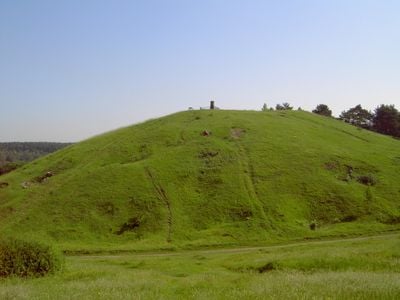
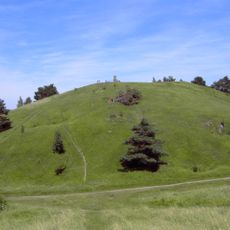
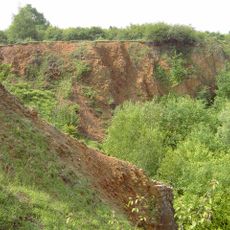
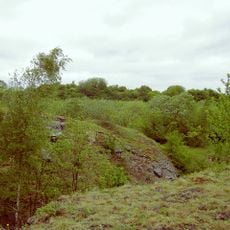
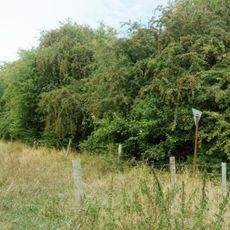
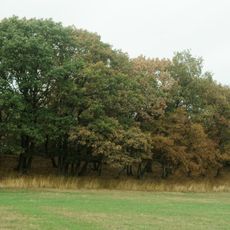
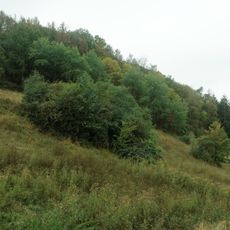
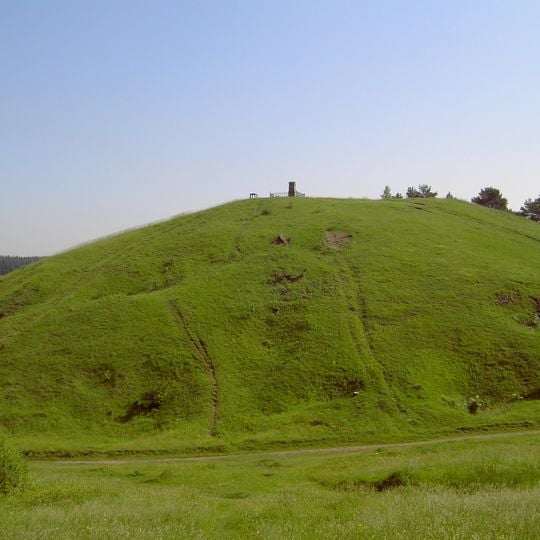
Schlangenberg is a nature reserve in Stolberg built on limestone formations that support specialized plant communities. The site spans roughly 124 hectares with vegetation adapted to soils enriched with zinc and lead from former mining operations.
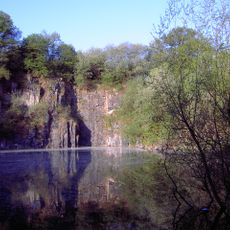
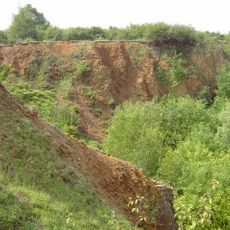
Limestone and mineral mining at Schlangenberg peaked in the 1800s when over 700 workers extracted calamine, zinc, and lead from underground. Operations ended after the Franco-Prussian War, and the site was eventually protected as a conservation area to preserve its unusual ecology.
The reserve functions as a place where visitors can observe how nature adapts and recovers on a damaged industrial landscape. Walking through it, you see plants thriving in soil that was once disrupted by intensive mining work.
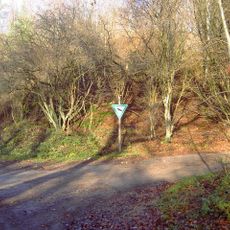
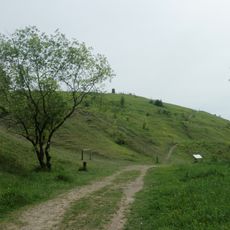
The site has marked trails that guide you through the protected area while protecting sensitive plants and butterfly habitats. An information center can help you understand the ecological features and ensure you explore the site responsibly.
Certain plants like Viola calaminaria thrive only here due to extreme metal concentrations in the soil that would kill most species elsewhere. These specialized plants demonstrate nature's remarkable ability to adapt to even the harshest chemical conditions.
The community of curious travelers
AroundUs brings together thousands of curated places, local tips, and hidden gems, enriched daily by 91,252 contributors worldwide.