Königsfeld im Schwarzwald, municipality in Germany
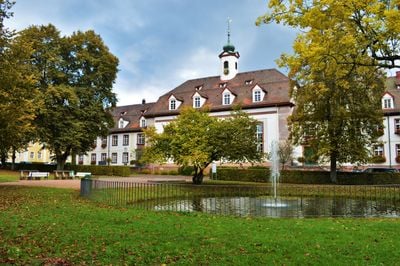
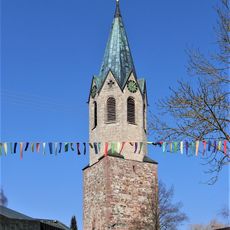
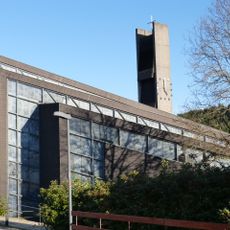
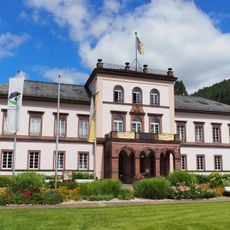
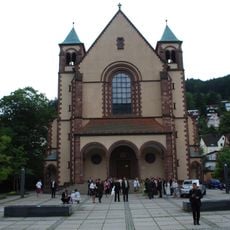
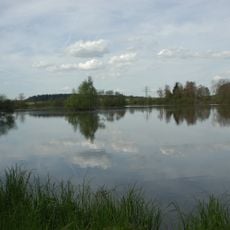
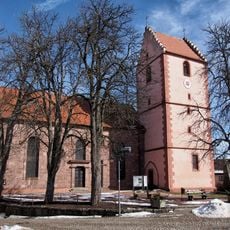
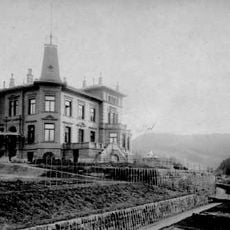
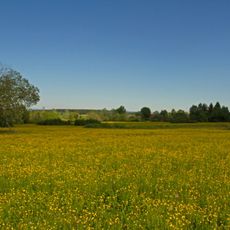
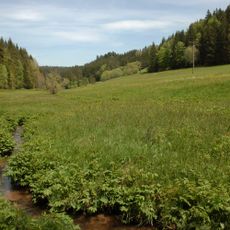
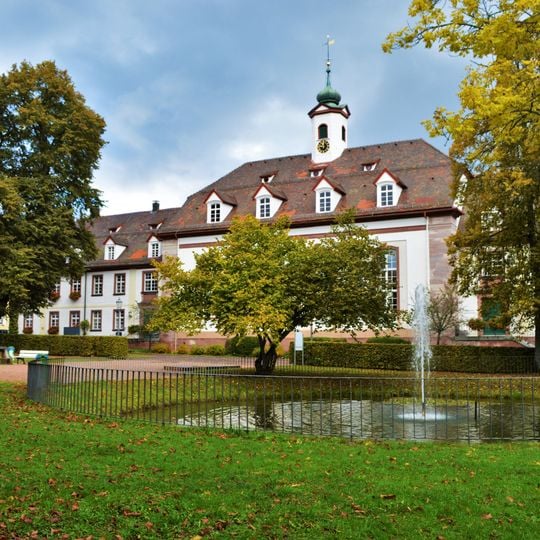
Königsfeld im Schwarzwald is a small town on a high plateau in the Black Forest region, marked by late baroque and early modern architecture. The townscape shows a mix of historic buildings, green forests, and peaceful streets, threaded with paths through meadows and streams.
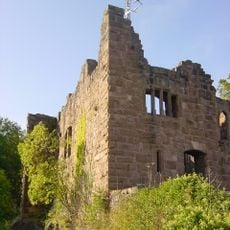
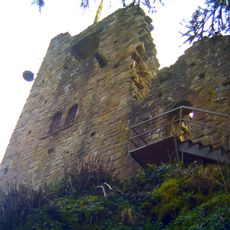
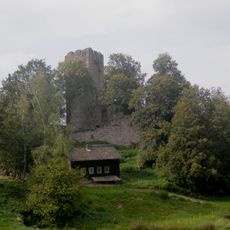
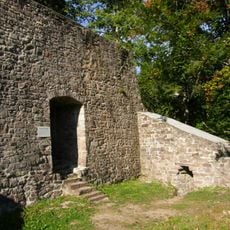
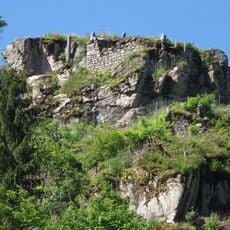
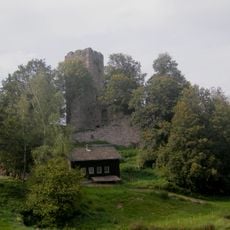
The town was founded in 1806 by the Moravian Church community, marking a unique origin story. Earlier medieval structures such as the castle ruins of Waldau and Burgberg stand as remnants of the region's past before this settlement.
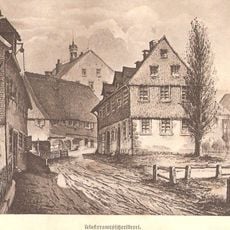
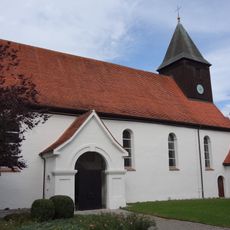
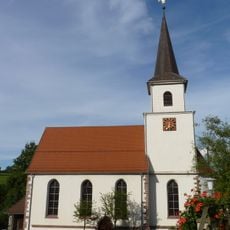
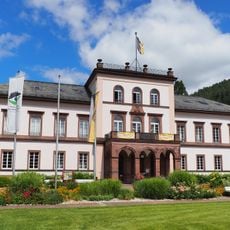
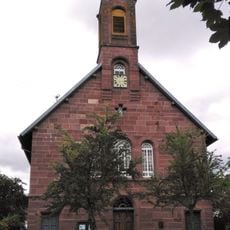
Königsfeld bears the mark of the Moravian Church community that founded it in 1806 and continues to shape the town's character. Walking through the streets and around the central square, you see houses from the early 1800s that reflect this heritage and how the community lived.
The town sits on a high plateau and is easily reached by train, bus, or car. Well-marked walking and cycling routes fan out from the town through forests and fields, letting you explore at your own pace or venture to nearby villages.
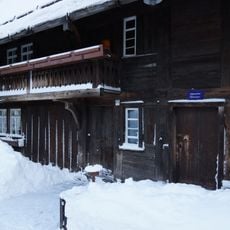
Albert Schweitzer, the Nobel Prize winner and theologian, spent time in Königsfeld and left such a mark that his former home is now a museum. The house preserves traces of his life and draws visitors who want to learn more about this remarkable figure.
The community of curious travelers
AroundUs brings together thousands of curated places, local tips, and hidden gems, enriched daily by 91,486 contributors worldwide.