Sonnenbühl, municipality in Germany
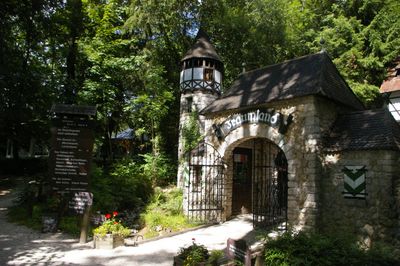
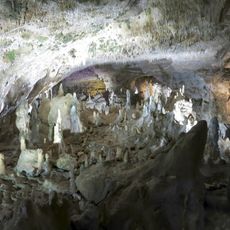
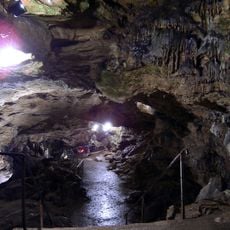
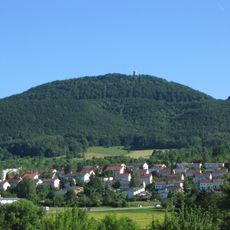
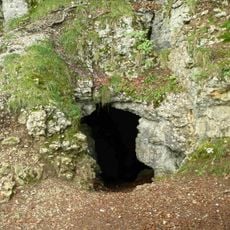
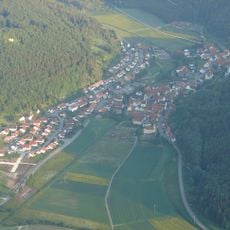
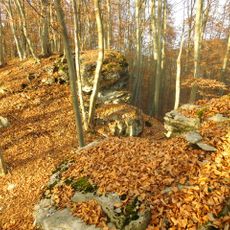
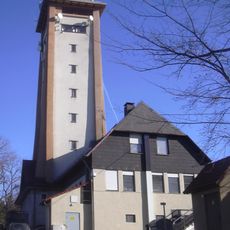
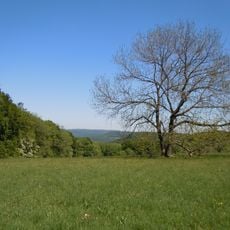
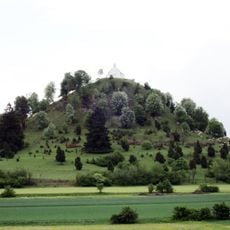
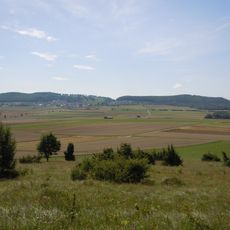
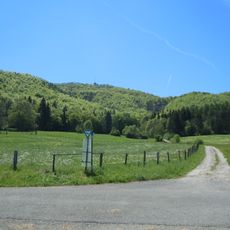
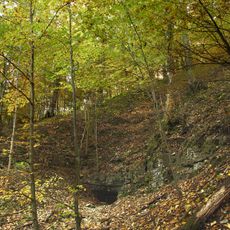
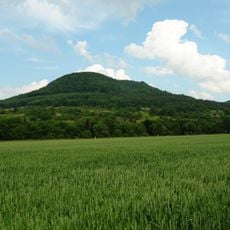
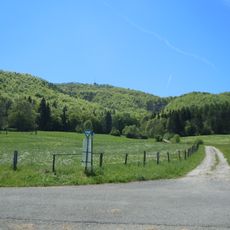
Sonnenbühl is a small municipality on the Swabian Alps in Baden-Württemberg, composed of four villages and located at around 2,300 feet (700 meters) elevation. The area features a mosaic of forested hills, open fields, and two notable caves with stalactite formations that visitors can explore.
The area has been inhabited since the 3rd century by Alemannic peoples, establishing a long history of human settlement. The Nebelhöhle was first documented in 1517 and fully opened to visitors in 1920, while the Bärenhöhle contains fossils from more than 20,000 years ago.
The municipality comprises four connected villages that form a tight-knit community. Visitors experience daily life closely tied to nature, with traditions like Easter celebrations shaping local customs that remain visible throughout the year.
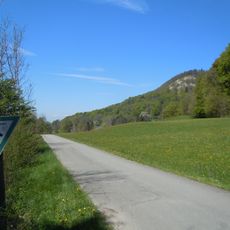
Visitors find numerous hiking trails of varying difficulty levels that wind through forests and over hills, suitable for all fitness levels. The area also offers cycling on quiet paths, winter sports when snow falls, and family activities like sledding and ice skating.
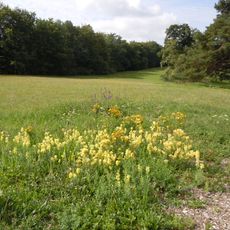
The region is known for unusually cold winters and warm summers, causing vegetation and landscape to vary significantly. Scientists study the climate here closely because it differs notably from nearby areas, giving each season a distinct character.
The community of curious travelers
AroundUs brings together thousands of curated places, local tips, and hidden gems, enriched daily by 91,374 contributors worldwide.