Großröhrsdorf, municipality of Germany
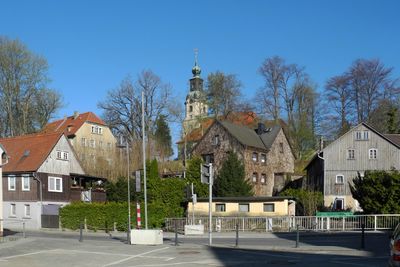
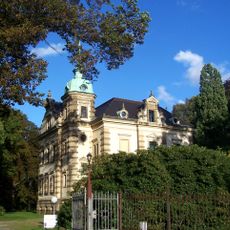
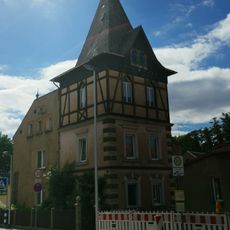
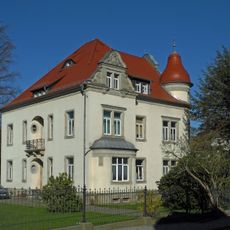
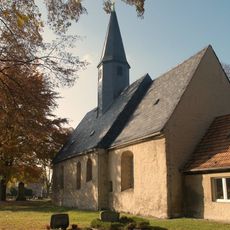
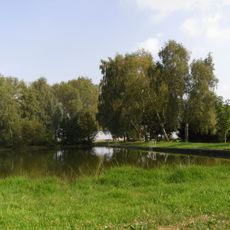
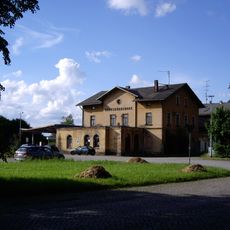
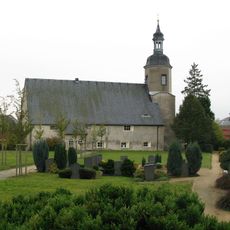
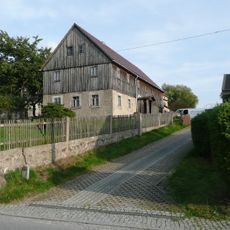
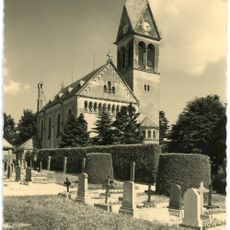
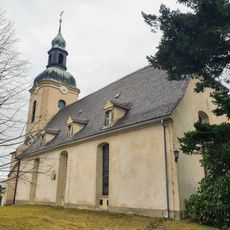
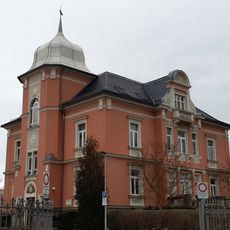
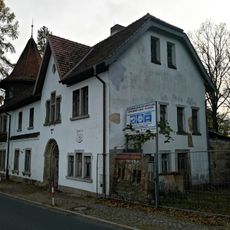
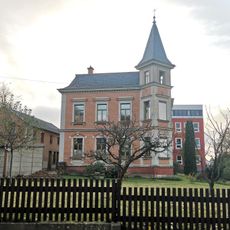
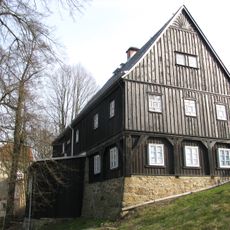
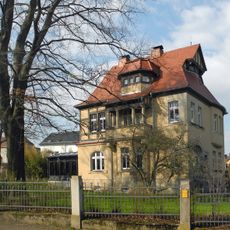
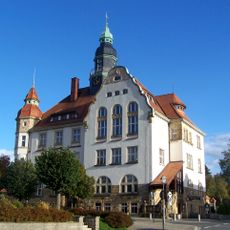
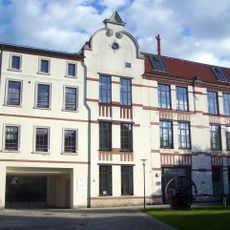
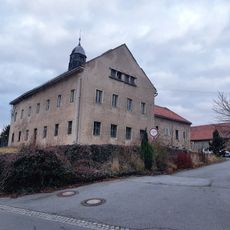
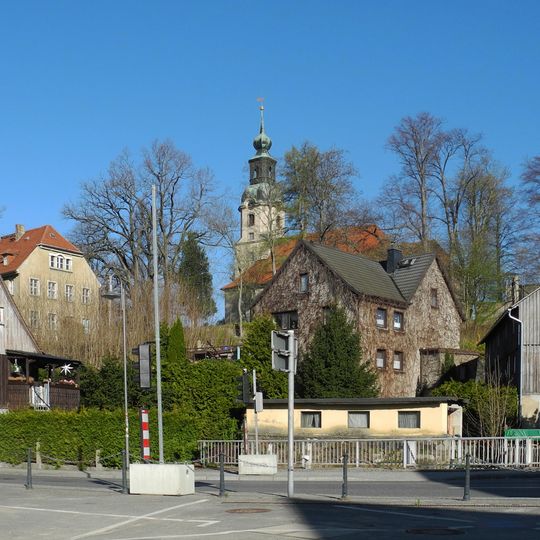
Großröhrsdorf is a small town in Bautzen District, Germany, with mixed architecture featuring timber-framed buildings, colorful facades, and traditional structures alongside newer construction. The layout is organized with clean streets, residential areas, small shops, and community spaces that reflect its character as a working town.
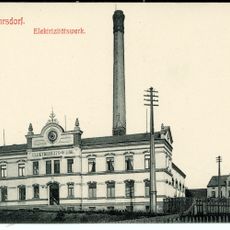
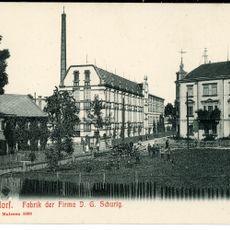
Großröhrsdorf was founded around 1250 as a small village and received city status in 1924. The town transformed significantly through ribbon weaving, which began in 1680 and expanded into a major industry by the 1800s with dozens of factories and mechanical looms, though most production ceased after 1989.
The name Großröhrsdorf likely comes from Rüdiger, an early founder of the settlement. Today, visitors can see how traditional crafts and family-run shops remain part of daily life, with locals maintaining customs like seasonal markets that celebrate homemade goods and local products.
The town is easy to explore on foot with well-organized streets and clean layout that make navigation straightforward. Visitors will find small shops, cafes, and parks for daily needs, while nearby forests and fields offer pleasant walking opportunities.
Two young residents were executed by Soviet soldiers after World War II for opposing communism, but their sentences were reviewed and overturned in the 1990s. This part of the town's past reflects the difficult transition period and remains part of local memory and reconciliation efforts.
The community of curious travelers
AroundUs brings together thousands of curated places, local tips, and hidden gems, enriched daily by 92,651 contributors worldwide.